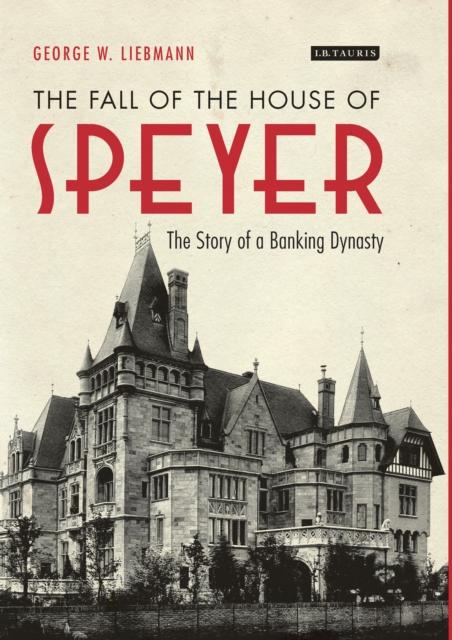
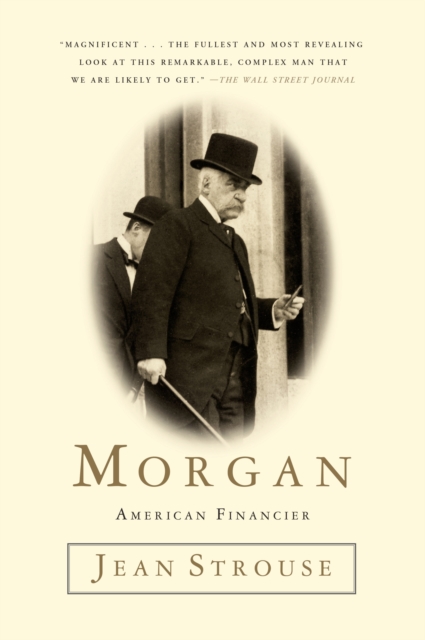
The dramatic story of the last fifty years of the Speyer banking dynasty, a Jewish family of German descent, is surprisingly little known today, yet at the turn of the 20th century, Speyer was the third largest investment banking firm in the United States, behind only Morgan and Kuhn, Loeb.
How America's global financial power was created and shaped through its special relationship with BritainThe rise of global finance in the latter half of the twentieth century has long been understood as one chapter in a larger story about the postwar growth of the United States.
How silver influenced two hundred years of world history, and why it matters todayThis is the story of silver's transformation from soft money during the nineteenth century to hard asset today, and how manipulations of the white metal by American president Franklin D.
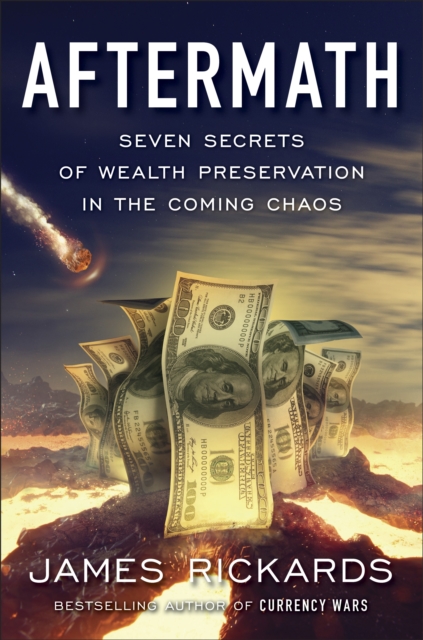
A Wall Street Journal bestsellerFinancial expert, investment advisor and New York Times bestselling author James Rickards shows why and how global financial markets are being artificially inflated and what smart investors can do to protect their assets------------------------------------------------------------------------The evidence of the past ten years proves that the most devastating financial crisis yet is just around the corner.
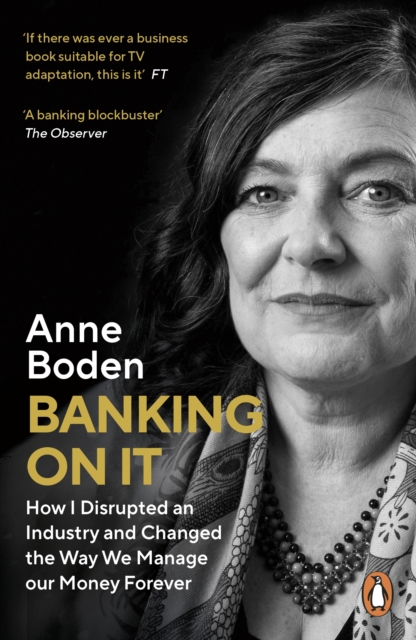
ONE WOMAN'S QUEST TO REBUILD BRITAIN'S BROKEN BANKING SYSTEM'If there was ever a business book suitable for TV adaptation, this is it' FTIn the aftermath of the 2008 financial crash, the British banking industry had come to a standstill.
Actions taken by the United States and other countries during the Great Recession focused on restoring the viability of major financial institutions while guaranteeing debt and stimulating growth.
This book is intended to lay out, in a clear and intuitive as well as comprehensive way, what we know - or think we know - about mergers and acquisitions in the financial services sector.
According to Bethany McLean and Joe Nocera, two of America's most acclaimed business journalists, no-one has put all the pieces of the financial crisis together.
Now shortlisted for the 2012 Financial Times Business Book of the Year Award and the Wellcome Trust Book Prize, The Hour Between Dog and Wolf is a resonant exploration of economic behaviour and its consequences.
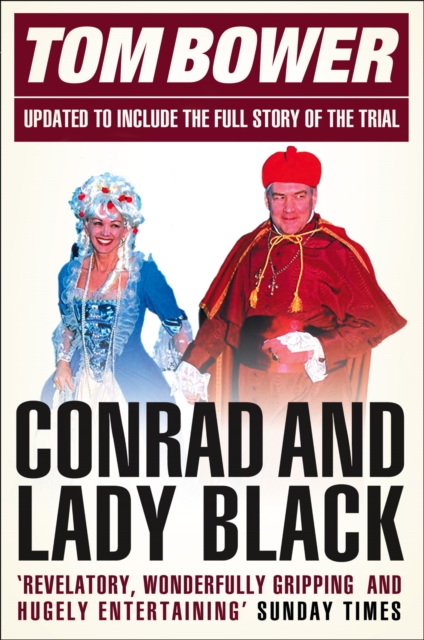
The riveting tale of how the wanabee aristo Conrad Black and his social-mountaineering wife Barbara gulled their way into the City, the Tory party, Wall Street and High Society.
You know what happened during the financial crisis … now it is time to understand why the financial system came so close to falling over the edge of the abyss and why it could happen again.
Even after the ruinous financial crisis of 2008, America is still beset by the depredations of an oligarchy that is now bigger, more profitable, and more resistant to regulation than ever.
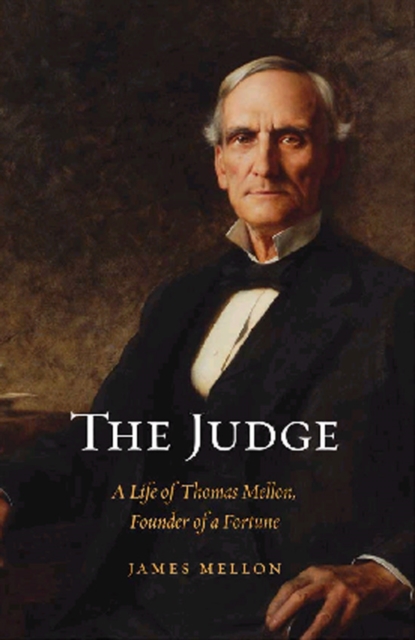
Lawyer, judge, banker, classics professor, and councilman, Thomas Mellon greatly influenced the fortunes of his hometown, Pittsburgh, throughout the nineteenth century.
Parker Shipton brings a variety of perspectives—cultural, economic, political, and religious-philosophical—and years of field experience to this fascinating study about people who borrow and lend in the interior of Africa.
Although little noticed, the face of central banking has changed significantly over the past ten to fifteen years, says the author of this enlightening book.
A leading economist and former central banker discusses the evolution of central bank communication from secretiveness to transparency and accountability.
Competition and Controls in Banking provides a groundbreaking examination of how regulatory frameworks shape banking competition in three European nations: Italy, France, and England.
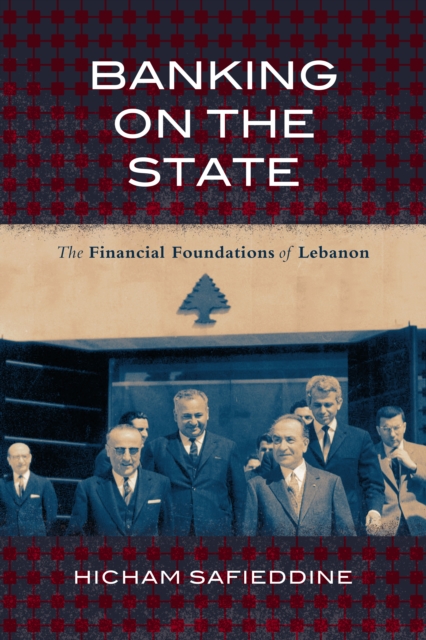
In 1943, Lebanon gained its formal political independence from France; only after two more decades did the country finally establish a national central bank.
Best books of 2021, Financial Times'Grab some popcorn and take a front row seat, because Robin Wigglesworth has an astonishing story to tell you' Tim Harford, author of How to Make the World Add Up'A fascinating account of an investment revolution' Ian Fraser, Literary Review'A magisterial, delightfully written history offering up portraits of the academic scribblers and entrepreneurial practitioners who created the index-fund revolution' The Wall Street Journal'Wigglesworth has written an important book' Patrick Hosking, Financial Editor, The Times'A terrific read' Gregory Zuckerman, author of The Man Who Solved the Market'A fascinating journey and a crucial book for anyone trying to understand the financial markets' Bradley Hope, author of Billion Dollar Whale---------------------------------------------------------------------------------------------------------In Trillions, Financial Times journalist Robin Wigglesworth unveils the vivid secret history of index funds, bringing to life the colourful characters behind their birth, growth and evolution into a world-conquering phenomenon.
'If you are curious about what the financial G tterd mmerung might look like you've certainly come to the right place' ForbesFinancial expert, investment advisor and New York Times bestselling author James Rickards reveals how the global elite are darkly concealing a coming catastrophe from investors, whilst protecting themselves from the fallout.
From an award-winning financial historian comes the gripping, character-driven story of venture capital and the world it madeInnovations rarely come from "e;experts.
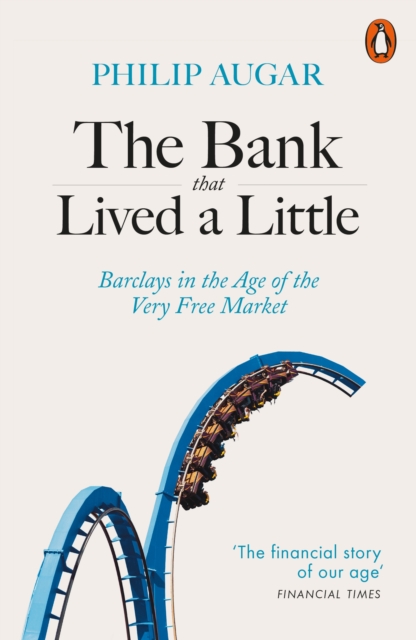
Based on unparalleled access to those involved, and told with compelling pace and drama, The Bank that Lived a Little describes three decades of boardroom intrigue at one of Britain's biggest financial institutions.
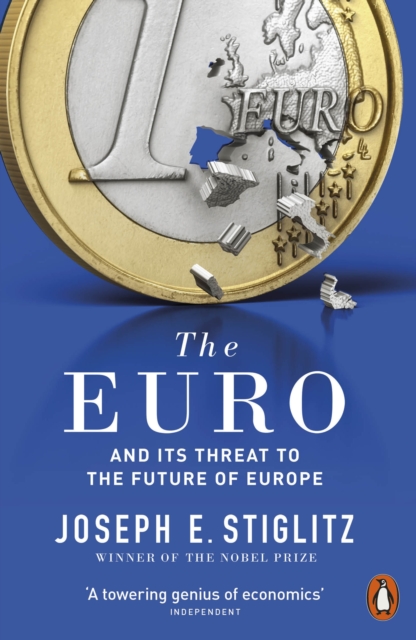
From Nobel Prize-winning economist and best-selling author Joseph Sitglitz, author of Globalization and Its Discontents, this is the essential, must-read guide to the future of Europe.
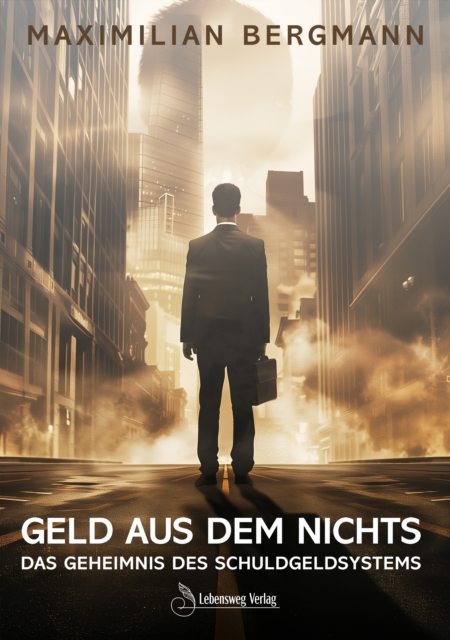
In einer Welt, in der Staaten, Unternehmen und Bürger bis über beide Ohren verschuldet sind, stellt sich eine brennende Frage: Ist unser Geldsystem eine tragfähige Basis oder eine Täuschung, die uns alle in Abhängigkeit hält?
The Bank of the United States sparked several rounds of intense debate over the meaning of the Constitution's Necessary and Proper Clause, which authorizes the federal government to make laws that are "e;necessary"e; for exercising its other powers.