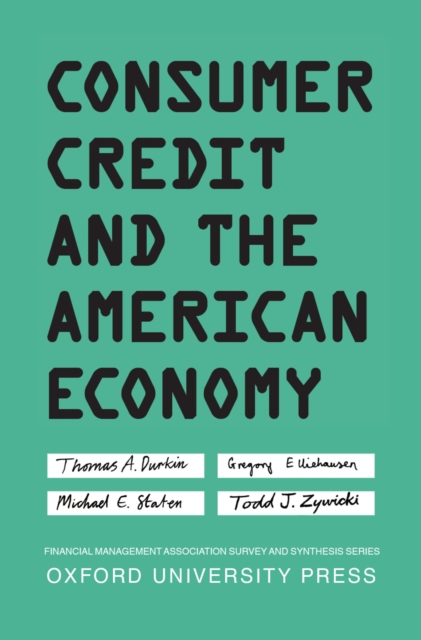
Consumer Credit and the American Economy examines the economics, behavioral science, sociology, history, institutions, law, and regulation of consumer credit in the United States.
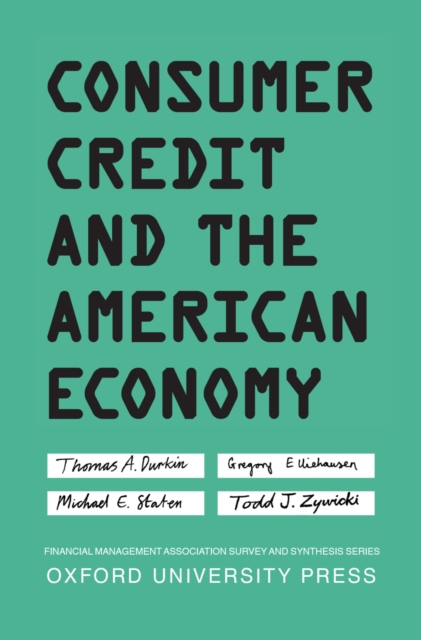
Consumer Credit and the American Economy examines the economics, behavioral science, sociology, history, institutions, law, and regulation of consumer credit in the United States.
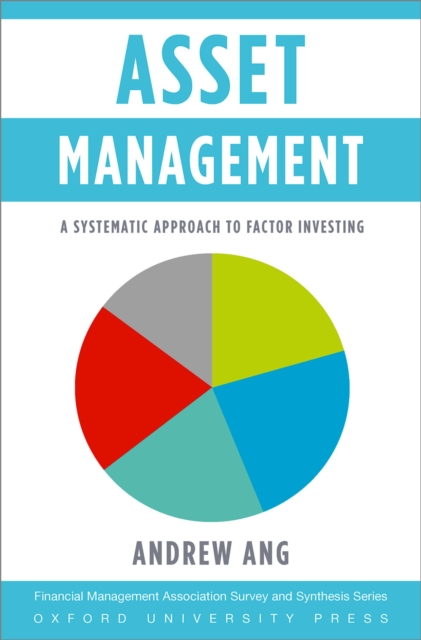
In Asset Management: A Systematic Approach to Factor Investing, Professor Andrew Ang presents a comprehensive, new approach to the age-old problem of where to put your money.
Sovereign Investment: Concerns and Policy Reactions provides the first major holistic examination and interdisciplinary analysis of sovereign wealth funds.
The way in which securities are traded is very different from the idealized picture of a frictionless and self-equilibrating market offered by the typical finance textbook.
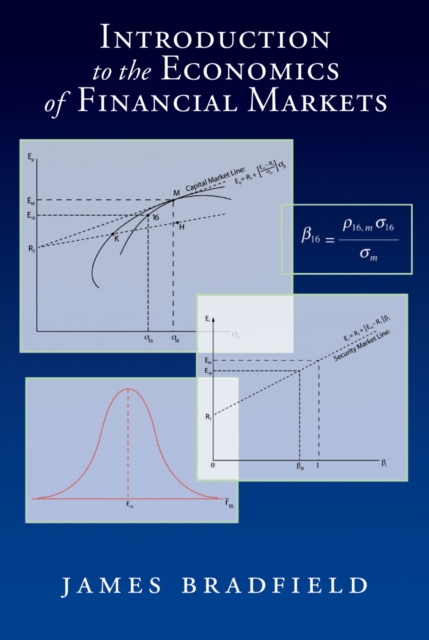
This book puts economics to work on the daily problems faced by investors, traders, speculators and brokers as they wrestle with increasingly complex financial markets.
With real case stories, Wells and Ahmed bring to life both the hopes for and the failures of international guarantees of property rights for investors in the developing world.
Since financial myths exploded in the 1980s, the perspective of time creates a unique opportunity to update and expand the analysis begun in Glenn Yago's 1991 book, Junk Bonds: How High Yield Securities Restructured Corporate America (Oxford University Press).
The Analysis of Structured Securities presents the first intellectually defensible framework for systematic assessment of the credit quality of structured securities.
This book puts economics to work on the daily problems faced by investors, traders, speculators and brokers as they wrestle with increasingly complex financial markets.
The system of securities regulation that prevails today in the United States is one that has been formed through piecemeal federal legislation, Securities and Exchange Commission (SEC) invocation of its administrative authority, and self-regulatory episodic action.
The system of securities regulation that prevails today in the United States is one that has been formed through piecemeal federal legislation, Securities and Exchange Commission (SEC) invocation of its administrative authority, and self-regulatory episodic action.
While most studies of labor in the coal industry focus on the struggle to organize unions, this work offers a more diverse and quantitative examination of the labor market.
Even as relations between Taiwan and the People's Republic of China continue to be strained, investment by Taiwanese businesses in China is growing every year.
Ein Buch, das auf die IHK-Weiterbildungsprüfung „Fachberater/in für Finanzdienstleistun-gen“ vorbereitet und gleichzeitig „Praxiswissen Finanzdienstleistungen“ heißt – widerspricht sich das nicht?
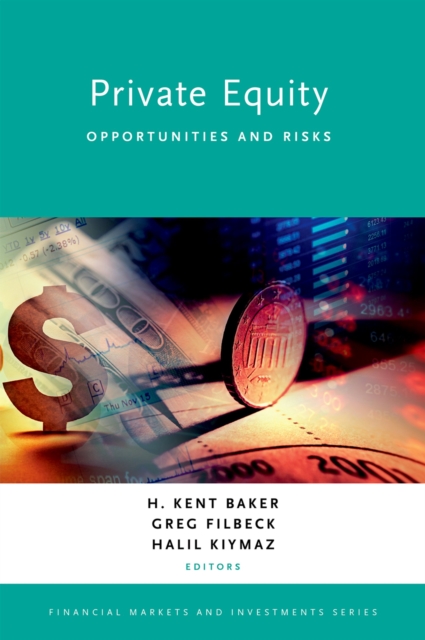
This book deals with risk capital provided for established firms outside the stock market, private equity, which has grown rapidly over the last three decades, yet is largely poorly understood.
This book deals with risk capital provided for established firms outside the stock market, private equity, which has grown rapidly over the last three decades, yet is largely poorly understood.
Governments are rightly discussing reform of investment treaties, and of the incredibly powerful system of 'investor-state dispute settlement' (ISDS) upon which they rest.
Governments are rightly discussing reform of investment treaties, and of the incredibly powerful system of 'investor-state dispute settlement' (ISDS) upon which they rest.
The Oxford Handbook of Hedge Funds provides a comprehensive overview of the hedge fund industry from a global perspective, bringing together insights from theoretical and applied research.
The Oxford Handbook of Hedge Funds provides a comprehensive overview of the hedge fund industry from a global perspective, bringing together insights from theoretical and applied research.
Financial market developments over the past decade have undermined what was once thought to be conventional wisdom about saving, investment, and retirement spending.
Financial market developments over the past decade have undermined what was once thought to be conventional wisdom about saving, investment, and retirement spending.
Low growth, low investment, insufficient spend on infrastructure, weak bank lending to the corporate sector, and funding deficiencies of small and medium-sized enterprises are all causes of concern in Europe.
Low growth, low investment, insufficient spend on infrastructure, weak bank lending to the corporate sector, and funding deficiencies of small and medium-sized enterprises are all causes of concern in Europe.