The Psychology of Eating is the essential multidisciplinary introduction to the psychology of eating, looking at the biological, genetic, developmental, and social determinants of how humans find and assimilate food.
Industrial Decarbonization: Materials, Methods, and Developments offers a timely and in-depth exploration of the technologies and strategies reshaping high-emission industries in the global push toward carbon neutrality.
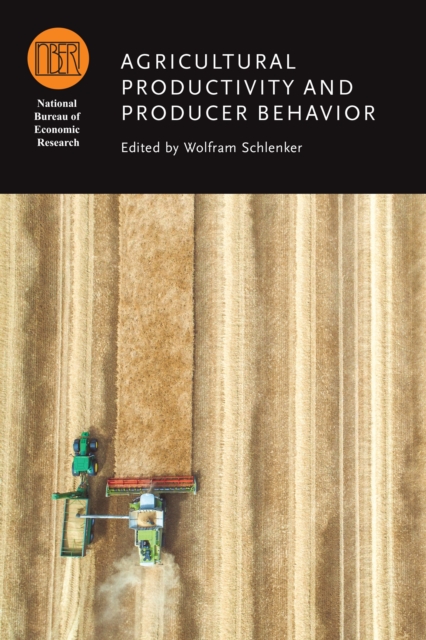
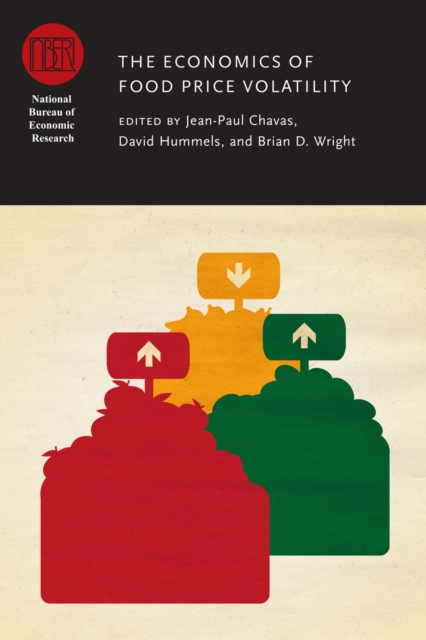
Using economic models and empirical analysis, this volume examines a wide range of agricultural and biofuel policy issues and their effects on American agricultural and related agrarian insurance markets.
The Nature of the Future plumbs the innovative, far-ranging, and sometimes downright strange agricultural schemes of nineteenth-century farms in the northern US.
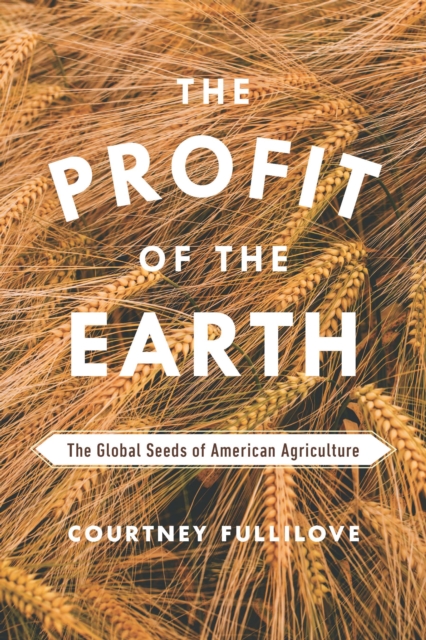
Traditional narratives of capitalist change often rely on the myth of the willful entrepreneur from the global North who transforms the economy and delivers modernity-for good or ill-to the rest of the world.
For the first 150 years of their existence, "e;natural foods"e; were consumed primarily by body builders, hippies, religious sects, and believers in nature cure.
While there is enormous public interest in biodiversity, food sourcing, and sustainable agriculture, romantic attachments to heirloom seeds and family farms have provoked misleading fantasies of an unrecoverable agrarian past.
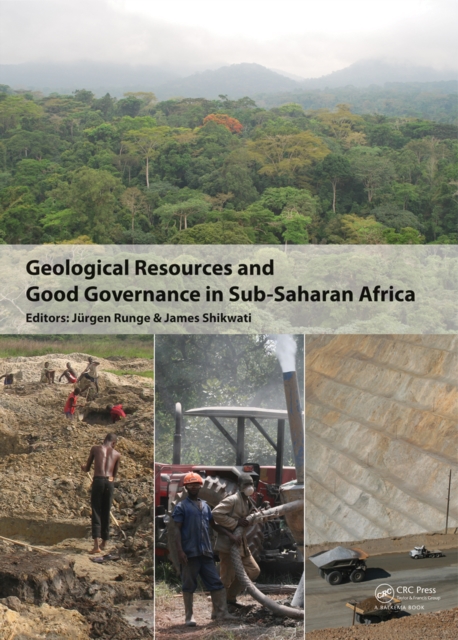
This book looks at the distribution, occurrences, potential and prospects for good governance, transparency and sustainable development of geological resources in Sub-Saharan Africa.
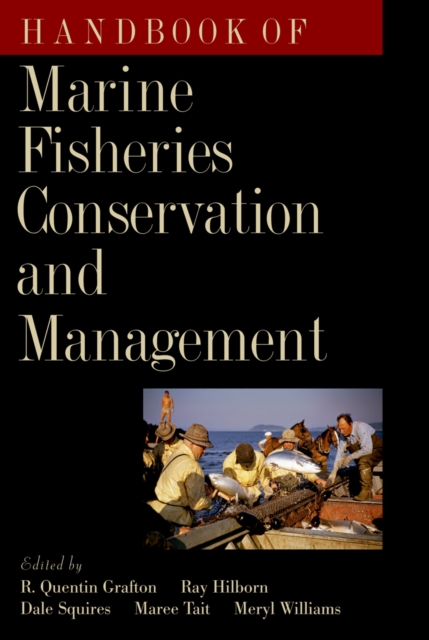
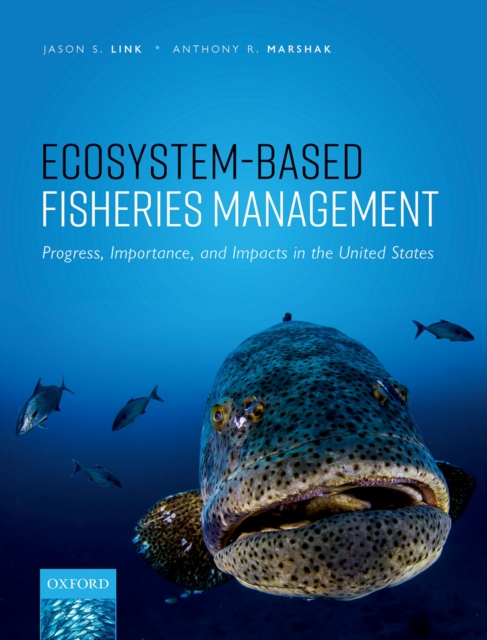
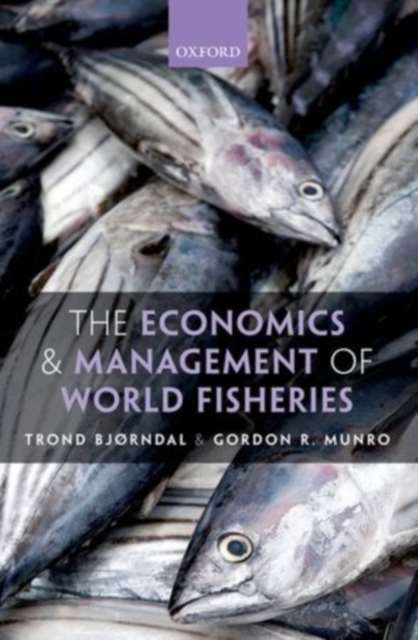
Over the past twenty years considerable public attention has been focused on the decline of marine fisheries, the sustainability of world fish production, and the impacts of fishing on marine ecosystems.
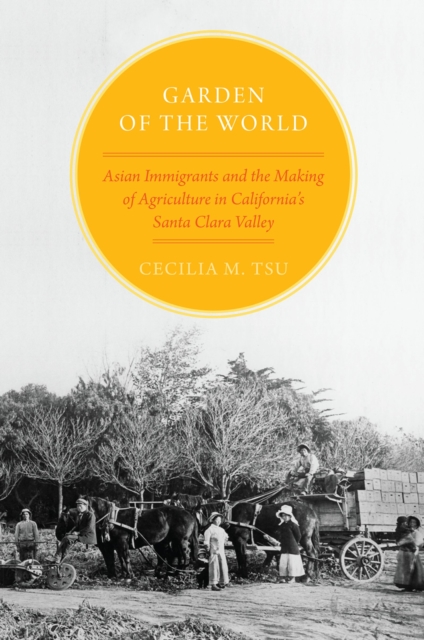
Nearly a century before it became known as Silicon Valley, the Santa Clara Valley was world-renowned for something else: the succulent fruits and vegetables grown in its fertile soil.
From mad cows to McDonaldization to genetically modified maize, European food scares and controversies at the turn of the millennium provoked anxieties about the perils hidden in an increasingly industrialized, internationalized food supply.
Why David Sometimes Wins tells the story of Cesar Chavez and the United Farm Workers' groundbreaking victory, drawing important lessons from this dramatic tale.
Over the past twenty years considerable public attention has been focused on the decline of marine fisheries, the sustainability of world fish production, and the impacts of fishing on marine ecosystems.
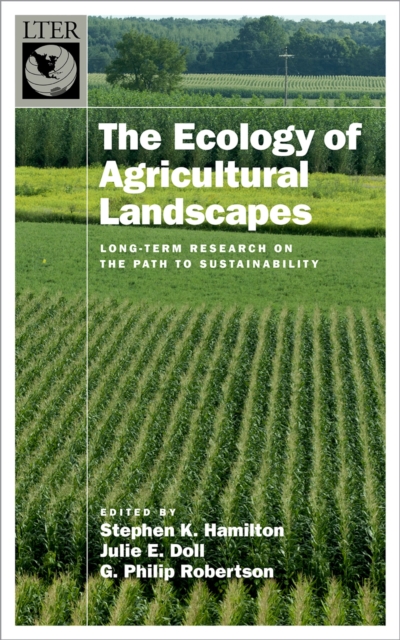
Evidence has been mounting for some time that intensive row-crop agriculture as practiced in developed countries may not be environmentally sustainable, with concerns increasingly being raised about climate change, implications for water quantity and quality, and soil degradation.
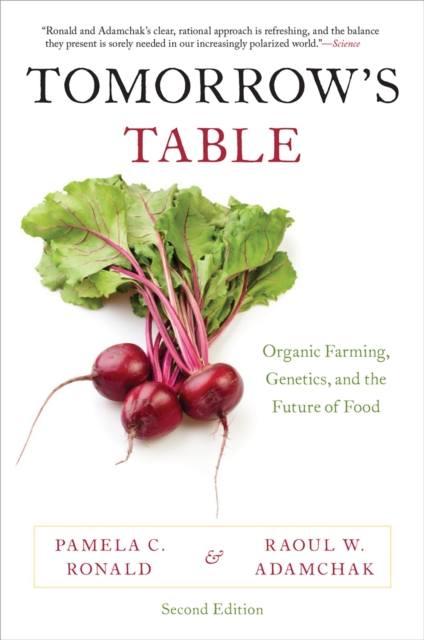
"e;Tomorrow's Table"e; argues that a judicious blend of two important strands of agriculture--genetic engineering and organic farming--is key to helping feed the world's growing population in an ecologically balanced manner.
"e;Tomorrow's Table"e; argues that a judicious blend of two important strands of agriculture--genetic engineering and organic farming--is key to helping feed the world's growing population in an ecologically balanced manner.
Spanning the years 1840-1875, Beyond the Boundaries focuses on the settlement of Upper Michigan's Keweenaw Peninsula, telling the story of reluctant pioneers who attempted to establish a decent measure of comfort, control, and security in what was in many ways a hostile environment.
From mad cows to McDonaldization to genetically modified maize, European food scares and controversies at the turn of the millennium provoked anxieties about the perils hidden in an increasingly industrialized, internationalized food supply.
For a growing number of countries in Africa the discovery and exploitation of natural resources is a great opportunity, but one accompanied by considerable risks.
From farm to fork, the conventional food chain is under enormous pressure to respond to a whole series of new challenges - food scares in rich countries, food security concerns in poor countries, and a burgeoning problem of obesity in all countries.