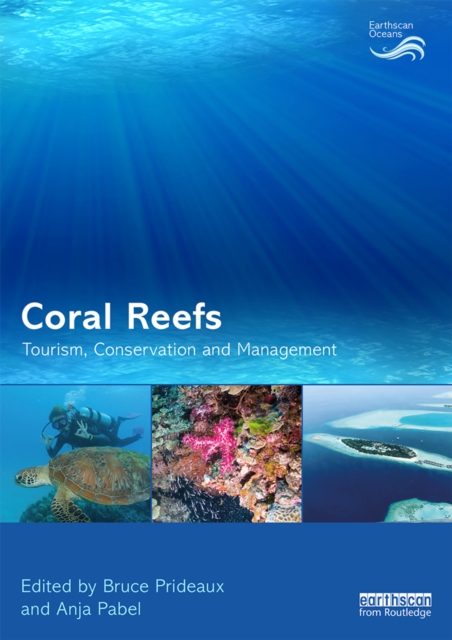
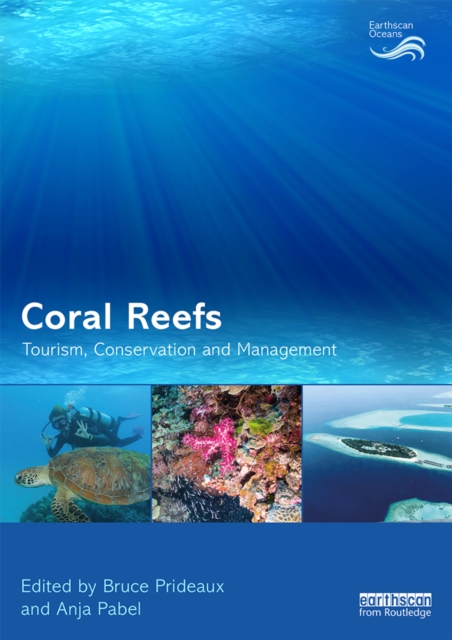
Coral reefs are an important tourism resource for many coastal and island destinations and generate a range of benefits to their local communities, including as a food source, income from tourism, employment and recreational opportunities.
Coral reefs are an important tourism resource for many coastal and island destinations and generate a range of benefits to their local communities, including as a food source, income from tourism, employment and recreational opportunities.
The role of both sport and tourism in the (re)creation and (re)presentation of national identities is well established, yet relatively little work has critically explored the inter-relationship between sport, tourism and the creation and maintenance of national identities.
The role of both sport and tourism in the (re)creation and (re)presentation of national identities is well established, yet relatively little work has critically explored the inter-relationship between sport, tourism and the creation and maintenance of national identities.
Spa resorts were a favoured destination for affluent seekers after health and comfortable leisure in opulent surroundings from the seventeenth to the twentieth century, although in the railway age they began to suffer from competition from new fashions in leisure and tourism, especially the seaside holiday.
Spa resorts were a favoured destination for affluent seekers after health and comfortable leisure in opulent surroundings from the seventeenth to the twentieth century, although in the railway age they began to suffer from competition from new fashions in leisure and tourism, especially the seaside holiday.
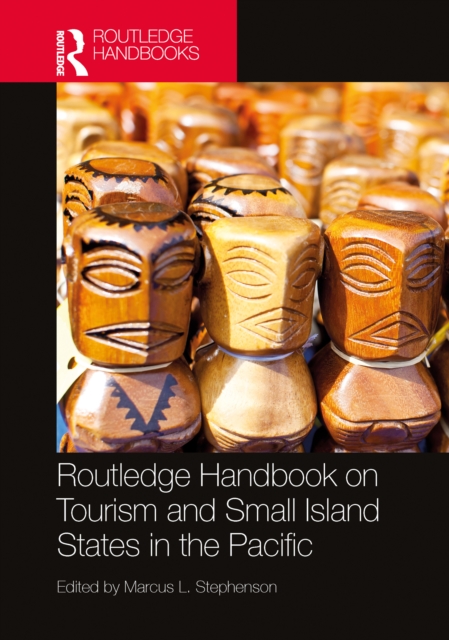
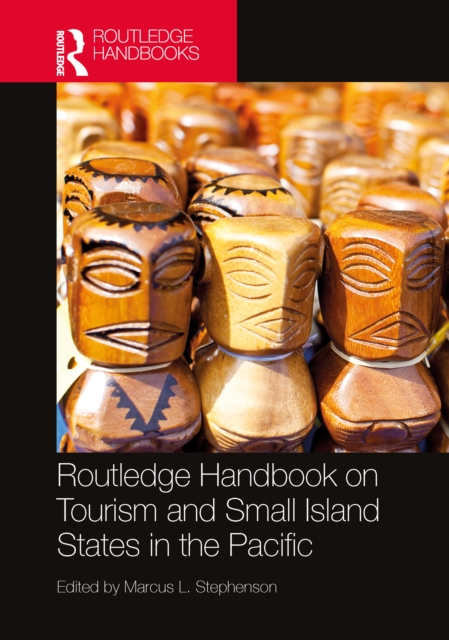
This timely handbook critically examines the development and role of tourism in small Pacific Island states located across Melanesia, Micronesia and Polynesia.
This timely handbook critically examines the development and role of tourism in small Pacific Island states located across Melanesia, Micronesia and Polynesia.
Managing Quality Cultural Tourism is an authoritative look at how to manage cultural tourist sites to best meet the needs of the visitors, the presenters and the site itself.
Managing Quality Cultural Tourism is an authoritative look at how to manage cultural tourist sites to best meet the needs of the visitors, the presenters and the site itself.
The worldwide expansion of the tourism industry creates many encounters between global agents and local forces, yet the host-guest interaction is rarely considered from the point of view of the experience of work.
The worldwide expansion of the tourism industry creates many encounters between global agents and local forces, yet the host-guest interaction is rarely considered from the point of view of the experience of work.
Embracing and Managing Change in Tourism examines management responses to the major changes taking place in international tourism and considers tourism itself as an agent of change.
Embracing and Managing Change in Tourism examines management responses to the major changes taking place in international tourism and considers tourism itself as an agent of change.
The Economic Geography of the Tourist Industry bridges the gap between tourism research and economic geography by bringing together leading academics in geography, planning and tourism.
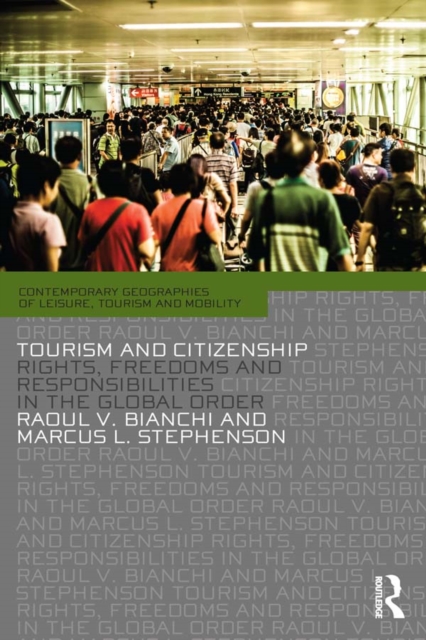
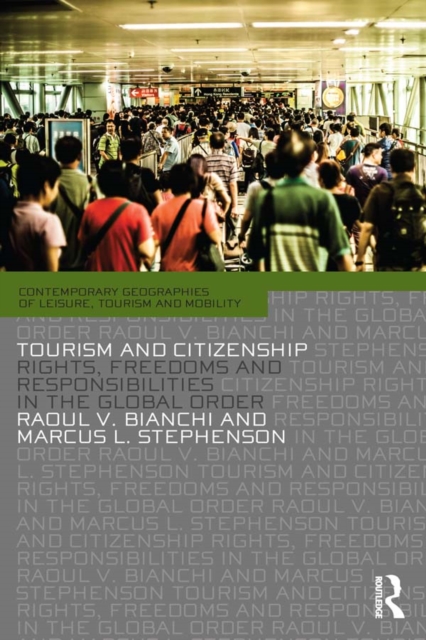
More than sixty years since the 1948 Universal Declaration of Human Rights first enshrined the right to freedom of movement in an international charter of human rights, the issue of mobility and the right to tourism itself have become increasingly significant areas of scholarly interest and political debate.
More than sixty years since the 1948 Universal Declaration of Human Rights first enshrined the right to freedom of movement in an international charter of human rights, the issue of mobility and the right to tourism itself have become increasingly significant areas of scholarly interest and political debate.
As the tourist industry becomes increasingly important to communities around the world, the need to develop tourism in a sustainable manner has also become a primary concern.