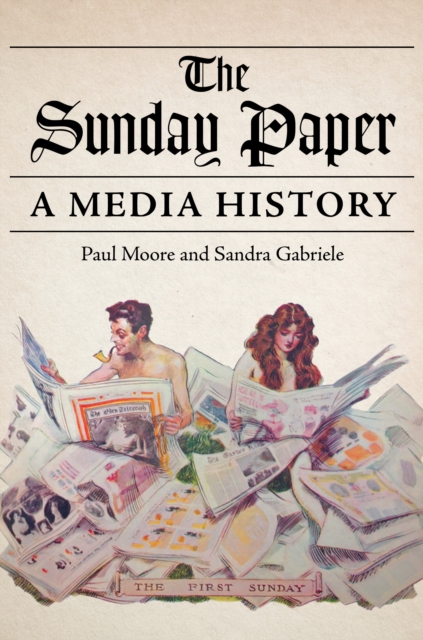
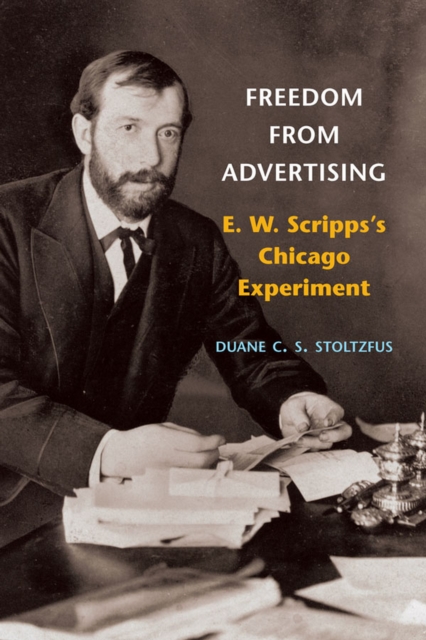
Pullout sections, poster supplements, contests, puzzles, and the funny pages--the Sunday newspaper once delivered a parade of information, entertainment, and spectacle for just a few pennies each weekend.
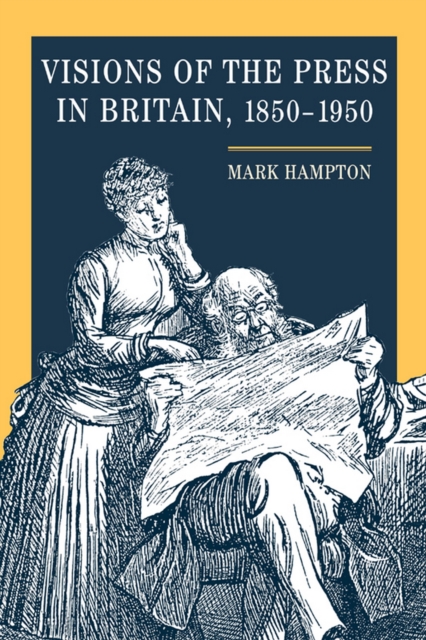
Historians recognize the cultural centrality of the newspaper press in Britain, yet very little has been published regarding competing historical understandings of the press and its proper role in British society.
Combining a broad analysis of political culture with a particular focus on rhetoric and strategy, Jeffrey Sawyer analyzes the role of pamphlets in the political arena in seventeenth-century France.
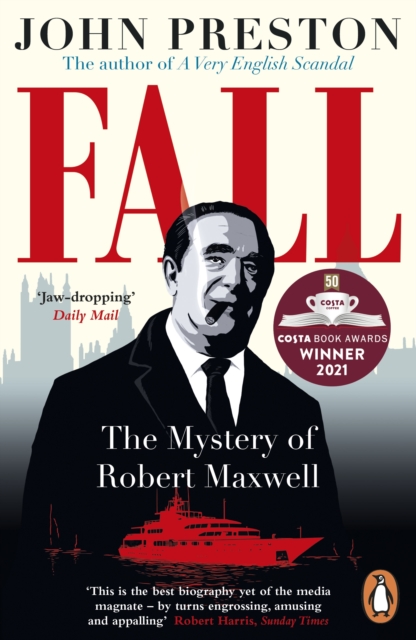
WINNER OF THE COSTA BIOGRAPHY AWARD 2021THE SUNDAY TIMES BESTSELLERSHORTLISTED FOR THE BAILLIE GIFFORD PRIZE 2021A SUNDAY TIMES AND TELEGRAPH BOOK OF THE YEARA dramatic, gripping account of the rise and fall of the notorious business tycoon Robert Maxwell from the acclaimed author of A Very English Scandal.
The essential guide to twentieth-century literature around the worldFor six decades the Penguin Modern Classics series has been an era-defining, ever-evolving series of books, encompassing works by modernist pioneers, avant-garde iconoclasts, radical visionaries and timeless storytellers.
AS FEATURED IN BBC TWO'S BILLION DOLLAR DOWNFALL: THE DEALMAKER DOCUMENTARYTwo Wall Street reporters investigate the man entrusted with millions to make profits and end poverty but now stands accused of masterminding one of the biggest, most brazen frauds in history.
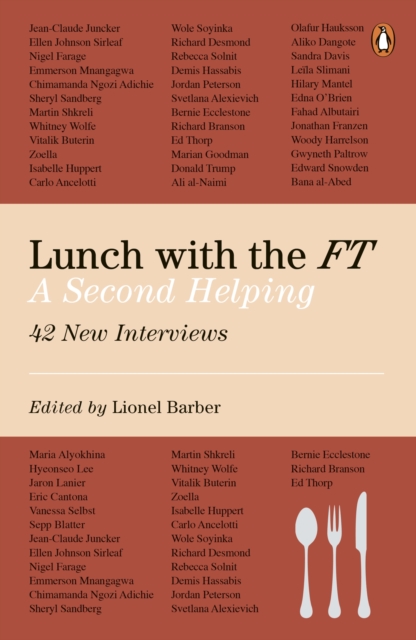
Lunch with the FT has been a permanent fixture in the Financial Times for almost 30 years, featuring presidents, film stars, musical icons and business leaders from around the world.
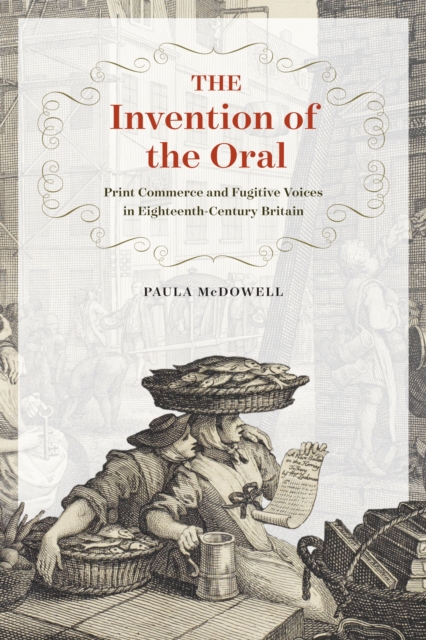
Just as today's embrace of the digital has sparked interest in the history of print culture, so in eighteenth-century Britain the dramatic proliferation of print gave rise to urgent efforts to historicize different media forms and to understand their unique powers.
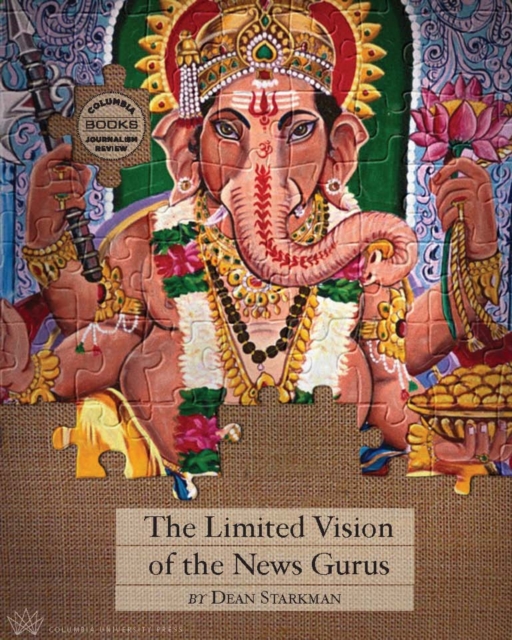
Dean Starkman takes on what has become a dominant perspective on the future of news in the digital age as personified by three well known media thinkers-Jay Rosen, Clay Shirky, and Jeff Jarvis-who have dominated the "e;future of news"e; debate.
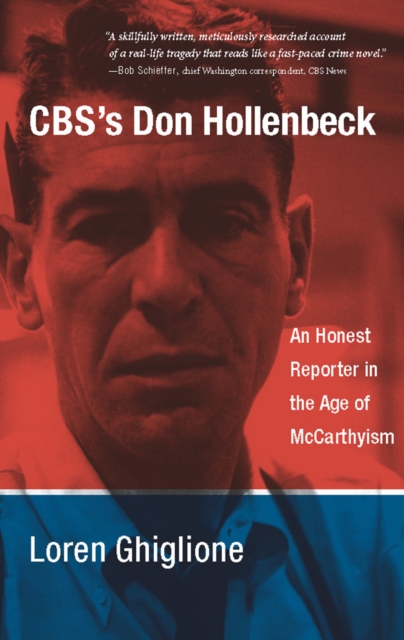
Loren Ghiglione recounts the fascinating life and tragic suicide of Don Hollenbeck, the controversial newscaster who became a primary target of McCarthyism's smear tactics.
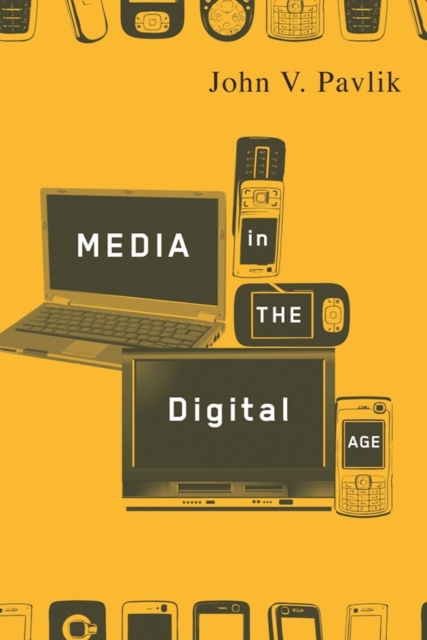
Digital technologies have fundamentally altered the nature and function of media in our society, reinventing age-old practices of public communication and at times circumventing traditional media and challenging its privileged role as gatekeepers of news and entertainment.
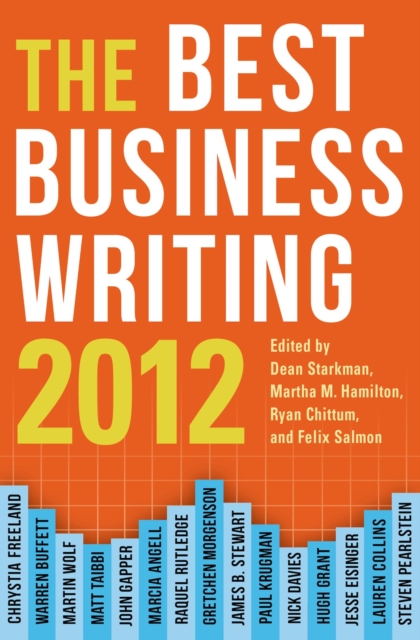
An anthology Malcolm Gladwell has called "e;riveting and indispensable,"e; The Best Business Writing is a far-ranging survey of business's dynamic relationship with politics, culture, and life.
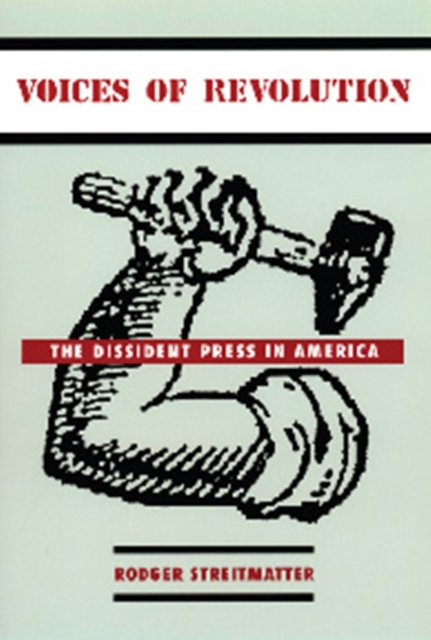
Streitmatter tells the stories of dissident American publications and press movements of the last two centuries, and of the colorful individuals behind them.
Ubiquitous news, global information access, instantaneous reporting, interactivity, multimedia content, extreme customization: Journalism is undergoing the most fundamental transformation since the rise of the penny press in the nineteenth century.
Written by leading professional journalists and classroom-tested at schools of journalism, Thinking Clearly is designed to provoke conversation about the issues that shape the production and presentation of the news in the twenty-first century.
Bill Grueskin, Ava Seave, and Lucas Graves spent close to a year tracking the reporting of on-site news organizations some of which were founded over a century ago and others established only in the past year or two and found in their traffic and audience engagement patterns, allocation of resources, and revenue streams ways to increase the profits of digital journalism.
Marking the centennial of the founding of Columbia University's school of journalism, this candid history of the school's evolution is set against the backdrop of the ongoing debate over whether journalism can-or should-be taught in America's universities.
This book uses the methodologies of cultural studies and the history of the book to show how editors and readers of the Sixteenth through the early Nineteenth century successively remade Piers Plowman and its author according to their own ideologies of the Middle Ages.
Here is an exploration of pulp literature and pulp mentalities: an investigation into the nature and theory of the contemporary mind in art and in life.
With increasing pressure on academics and graduate students to publish in peer reviewed journals, this book offers a much-needed guide to writing about and publishing quantitative research in applied linguistics.
Leading writers and critics, including Margaret Drabble, Alan Sillitoe and Ferdinand Mount, share their passion for books and the joys of reading in an inspiring collection of essays and writings.
This volume explores problems concerning the series, national development and the national canon in a range of countries and their international book-trade relationships.
Drawing on extensive archival research in both Britain and the United States, Serializing Fiction in the Victorian Press represents the first comprehensive study of the publication of instalment fiction in Victorian newspapers.
Deals with challenges to the maintenance of minority (or community) languages in this era of globalization and increasing transnational movements of people.
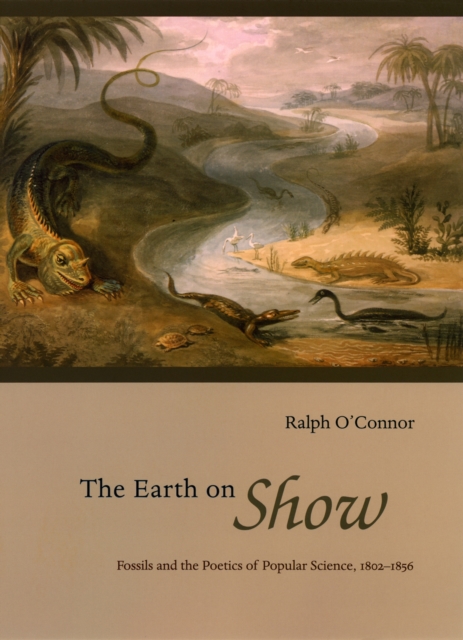
At the turn of the nineteenth century, geology-and its claims that the earth had a long and colorful prehuman history-was widely dismissedasdangerous nonsense.