Providing a sweeping millennium-plus history of the learned book in the West, John Willinsky puts current debates over intellectual property into context, asking what it is about learning that helped to create the concept even as it gave the products of knowledge a different legal and economic standing than other sorts of property.
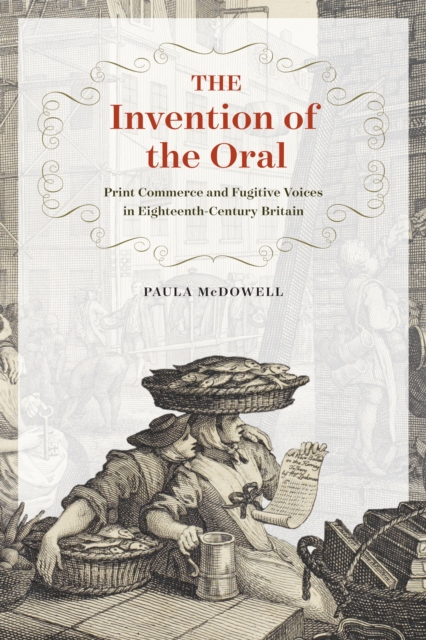
Just as today's embrace of the digital has sparked interest in the history of print culture, so in eighteenth-century Britain the dramatic proliferation of print gave rise to urgent efforts to historicize different media forms and to understand their unique powers.
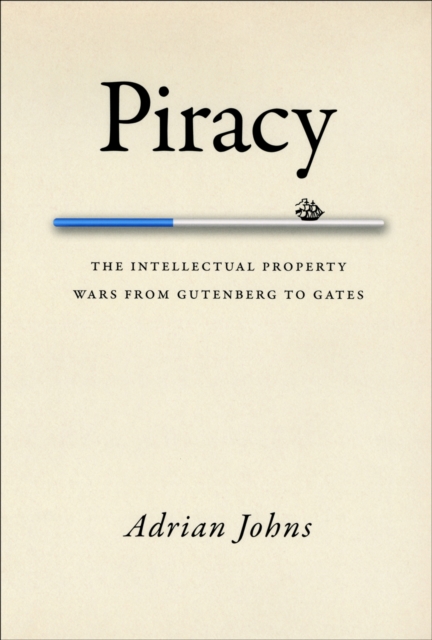
Since the rise of Napster and other file-sharing services in its wake, most of us have assumed that intellectual piracy is a product of the digital age and that it threatens creative expression as never before.
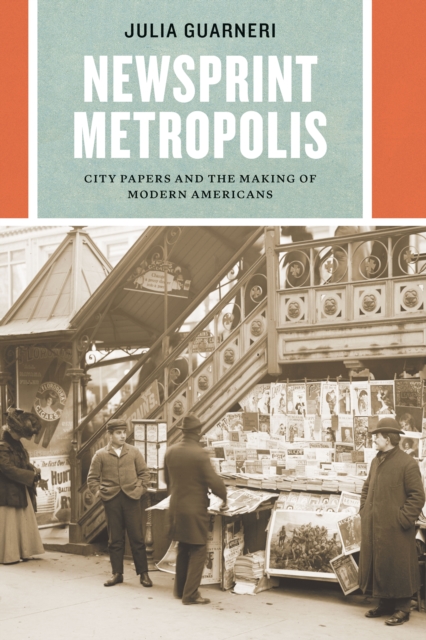
At the turn of the twentieth century, ambitious publishers like Joseph Pulitzer, William Randolph Hearst, and Robert McCormick produced the most spectacular newspapers Americans had ever read.
In 2005, photographer Chris Hondros captured a striking image of a young Iraqi girl in the aftermath of the killing of her parents by American soldiers.
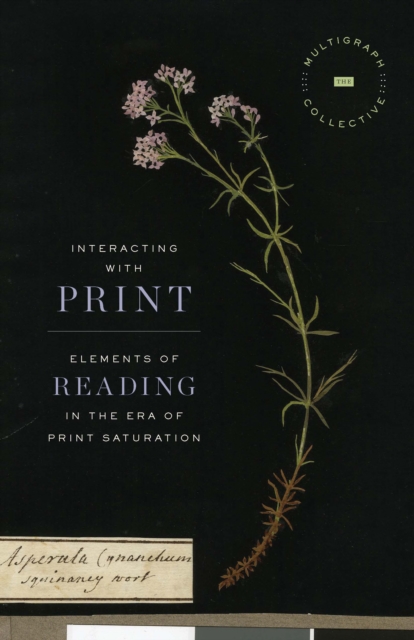
With the overwhelming amount of new information that bombards us each day, it is perhaps difficult to imagine a time when the widespread availability of the printed word was a novelty.
Making "e;Nature"e; is the first book to chronicle the foundation and development of Nature, one of the world's most influential scientific institutions.
This unique volume brings together academics of Russian journalism and media with journalists and editors who reported or continue to report on the country, to explore and reflect on the changing landscape for journalists in Russia or covering Russia, and the increasing control exerted by the government on independent journalists.
In Sex Trafficking, Scandal, and the Transformation of Journalism, Gretchen Soderlund offers a new way to understand sensationalism in both newspapers and reform movements.
From the National Book Award-winning author, an absorbing biography of the esteemed editor, publisher, power broker, and rival to William Randolph Hearst.
In early 2012, conservative radio host Rush Limbaugh claimed that Sandra Fluke, a Georgetown University law student who advocated for insurance coverage of contraceptives, "e;wants to be paid to have sex.
An engaging study of authorship, ethics, and book publishing in 18th- and 19th-century America, The Grand Chorus of Complaint considers the uneasy relationship between art and commerce with readings of correspondence, newspaper articles, and works by Thomas Paine, Herman Melville, and Fanny Fern.
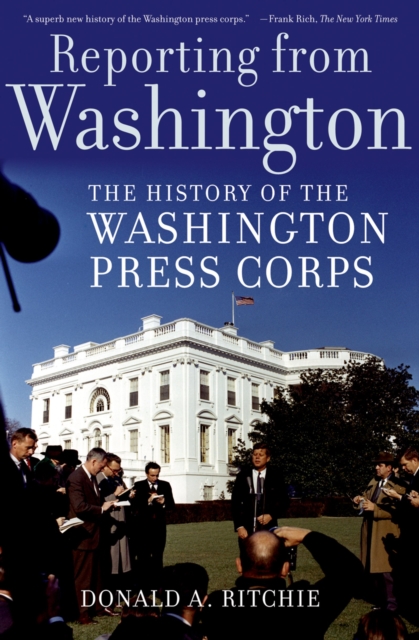
Donald Ritchie offers a vibrant chronicle of news coverage in our nation's capital, from the early days of radio and print reporting and the heyday of the wire services to the brave new world of the Internet.
An engaging study of authorship, ethics, and book publishing in 18th- and 19th-century America, The Grand Chorus of Complaint considers the uneasy relationship between art and commerce with readings of correspondence, newspaper articles, and works by Thomas Paine, Herman Melville, and Fanny Fern.
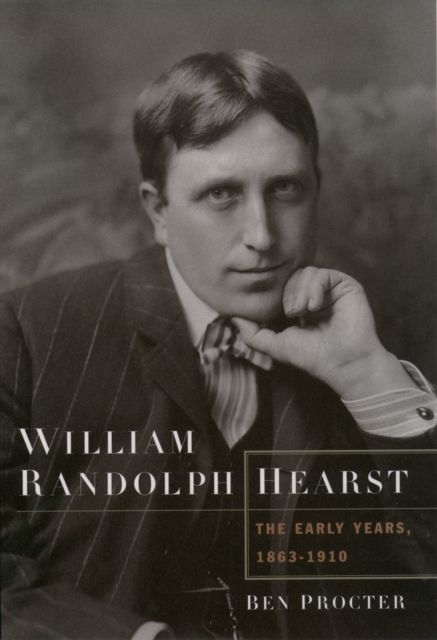
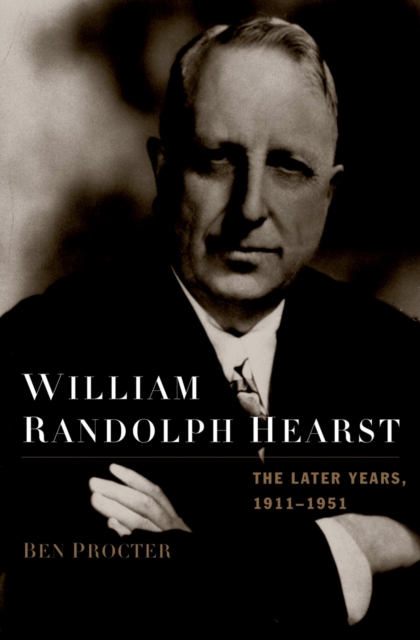
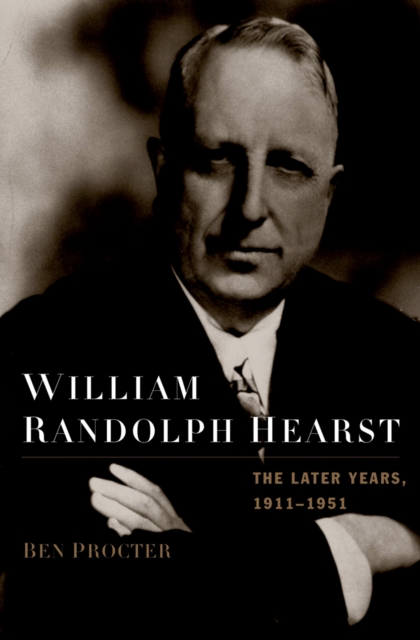
William Randolph Hearst was one of the most colorful and important figures of turn-of-the-century America, a man who changed the face of American journalism and whose influence extends to the present day.
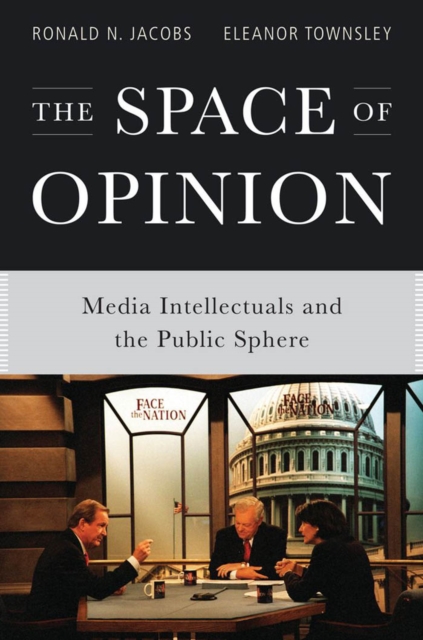
While the newspaper op-ed page, the Sunday morning political talk shows on television, and the evening cable-news television lineup have an obvious and growing influence in American politics and political communication, social scientists and media scholars tend to be broadly critical of the rise of organized punditry during the 20th century without ever providing a close empirical analysis.
Venetian music print culture of the mid-sixteenth century is presented here through a study of the Scotto press, one of the foremost dynastic music publishers of the Renaissance.
Kathleen Hall Jamieson and Joseph Cappella-two of the nation's foremost experts on politics and media-offers a searching analysis of the conservative media establishment, from talk radio to Fox News to the editorial page of The Wall Street Journal.
Kathleen Hall Jamieson and Joseph Cappella-two of the nation's foremost experts on politics and media-offers a searching analysis of the conservative media establishment, from talk radio to Fox News to the editorial page of The Wall Street Journal.
Since the introduction of radio and television news, journalism has gone through multiple transformations, but each time it has been sustained by a commitment to basic values and best practices.
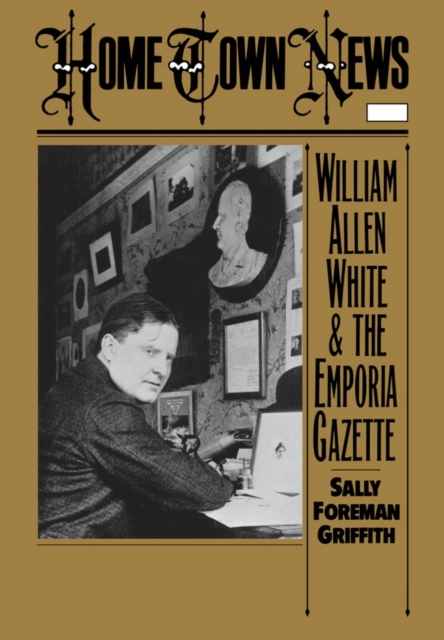
In 1895, a 27-year-old journalist named William Allen White returned to his home town of Emporia, Kansas, to edit a little down-at-the-heels newspaper he had just purchased for $3,000.
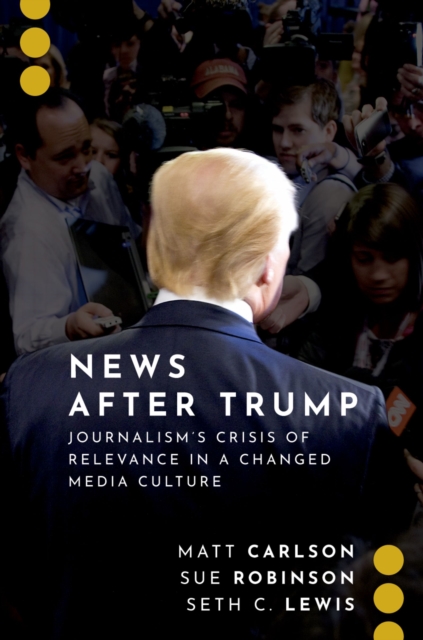
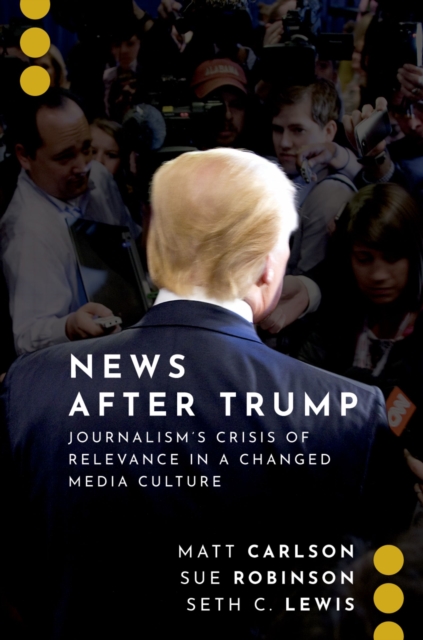
Donald Trump might have been the loudest and most powerful voice maligning the integrity of news media in a generation, but his unrelenting attacks draw from a stew of resentment, wariness, cynicism, and even hatred toward the press that has been simmering for years.
Donald Trump might have been the loudest and most powerful voice maligning the integrity of news media in a generation, but his unrelenting attacks draw from a stew of resentment, wariness, cynicism, and even hatred toward the press that has been simmering for years.
In the late-18th century, a group of publishers in what historian Robert Darnton calls the "e;Fertile Crescent"e; - countries located along the French border, stretching from Holland to Switzerland - pirated the works of prominent (and often banned) French writers and distributed them in France, where laws governing piracy were in flux and any notion of "e;copyright"e; very much in its infancy.
In the late-18th century, a group of publishers in what historian Robert Darnton calls the "e;Fertile Crescent"e; - countries located along the French border, stretching from Holland to Switzerland - pirated the works of prominent (and often banned) French writers and distributed them in France, where laws governing piracy were in flux and any notion of "e;copyright"e; very much in its infancy.