In the United States, the press has sometimes been described as an unoffical fourth branch of government, a branch that serves as a check on the other three and provides the information necessary for a democracy to function.
The Public Prints is the first comprehensive study of the role of the earliest American newspapers in the society and culture of the eighteenth century.
Newspapers and the practice of journalism began in the Middle East in the nineteenth century and evolved during a period of accelerated sociopolitical and cultural change.
War and Press Freedom: The Problem of Prerogative Power is a groundbreaking and provocative study of one of the most perplexing civil liberties issues in American history: What authority does or should the government have to control press coverage and commentary in wartime?
The News Revolution in England: Cultural Dynamics of Daily Information is the first book to analyze the essential feature of periodical media, which is their periodicity.
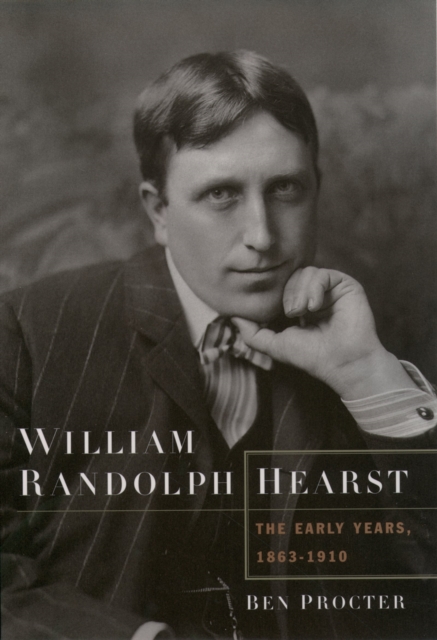
William Randolph Hearst was one of the most colorful and important figures of turn-of-the-century America, a man who changed the face of American journalism and whose influence extends to the present day.
Donald Ritchie offers a vibrant chronicle of news coverage in our nation's capital, from the early days of radio and print reporting and the heyday of the wire services to the brave new world of the Internet.
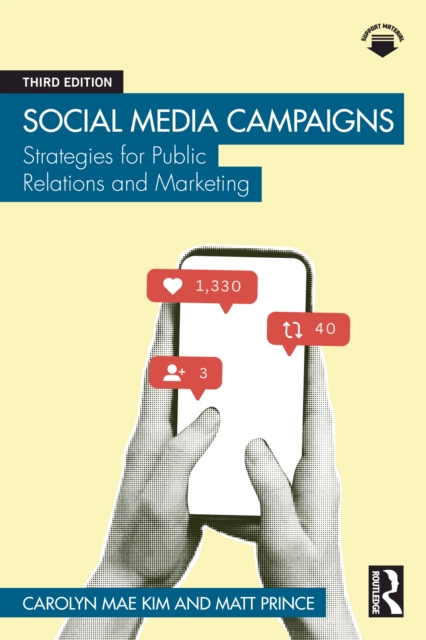
This third edition continues to give students a foundation in the principles of social media strategic communication and marketing necessary for today's communications professionals.
Focusing on an oft-neglected geographical region of study, this book critically analyses the state of journalism in the European South and considers challenges that may indicate a profession under duress.
This new dictionary covers the full range of publishing-related topics, defining terms encountered in the processes of editing, producing, printing, and distributing books and digital content.
A concise edition of the highly acclaimed Oxford Companion to the Book, this book features the 51 articles from the Companion plus 3 brand new chapters in one affordable volume.
A concise edition of the highly acclaimed Oxford Companion to the Book, this book features the 51 articles from the Companion plus 3 brand new chapters in one affordable volume.
Photographs are an integral part of our daily lives from sensationalist images in tabloid papers and snapshots, to art photograpy displayed in galleries and sold through international art markets.
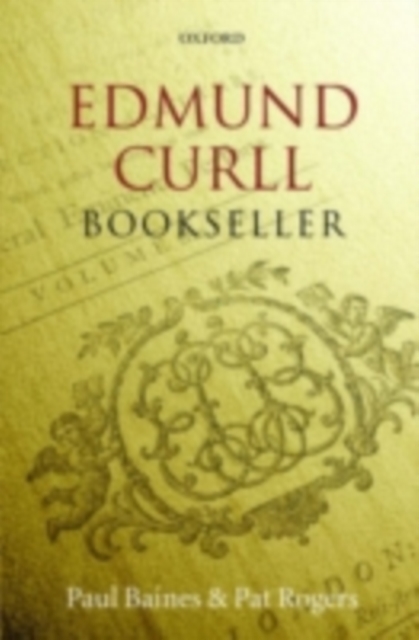
Edmund Curll was a notorious figure among the publishers of the early eighteenth century: for his boldness, his lack of scruple, his publication of work without author's consent, and his taste for erotic and scandalous publications.
Photographs are an integral part of our daily lives from sensationalist images in tabloid papers and snapshots, to art photograpy displayed in galleries and sold through international art markets.
The Oxford History of the Irish Book is a major new series that charts the development of the book in Ireland from its origins within an early medieval manuscript culture to its current incarnation alongside the rise of digital media in the twenty-first century.
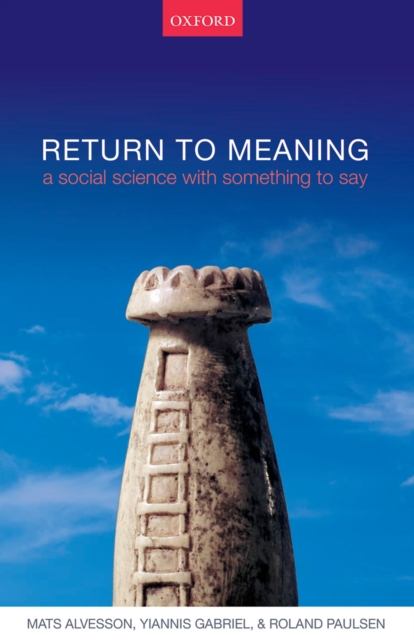
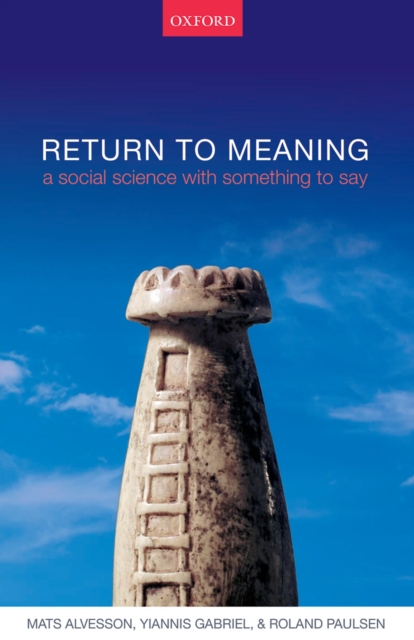
This book argues that we are currently witnessing not merely a decline in the quality of social science research, but the proliferation of meaningless research, of no value to society, and modest value to its authors - apart from securing employment and promotion.
This book argues that we are currently witnessing not merely a decline in the quality of social science research, but the proliferation of meaningless research, of no value to society, and modest value to its authors - apart from securing employment and promotion.
This rich collection of essays by an international group of scholars explores commentaries in many different languages on ancient Latin and Greek texts.
A detailed argument of how our government has interfered in the direction of America's media landscape that traces major transformations in media since the printing press and charts a path for reform.
A detailed argument of how our government has interfered in the direction of America's media landscape that traces major transformations in media since the printing press and charts a path for reform.