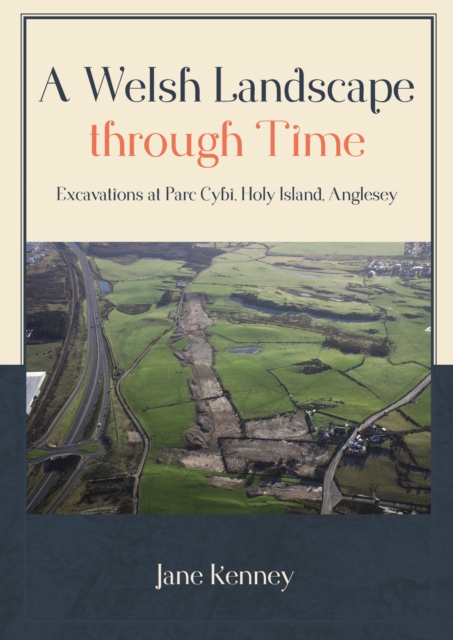
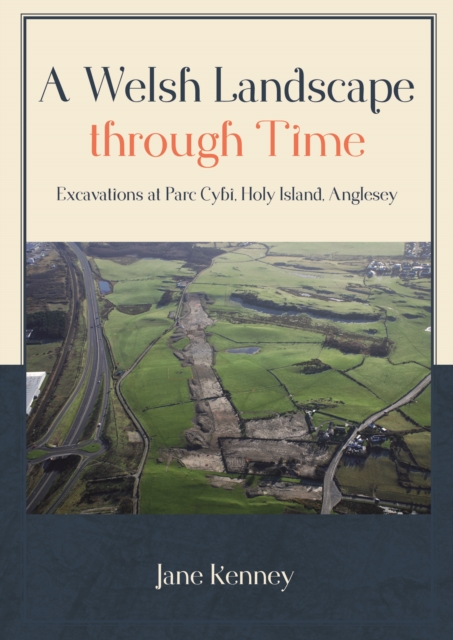
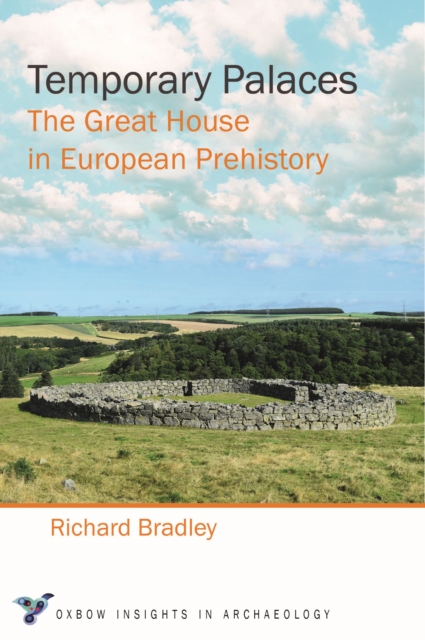
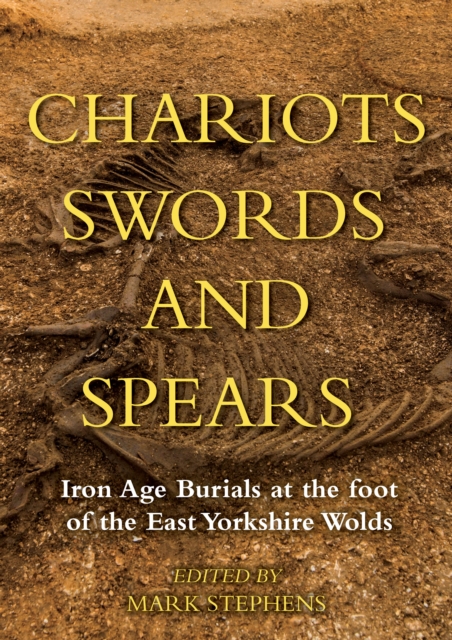
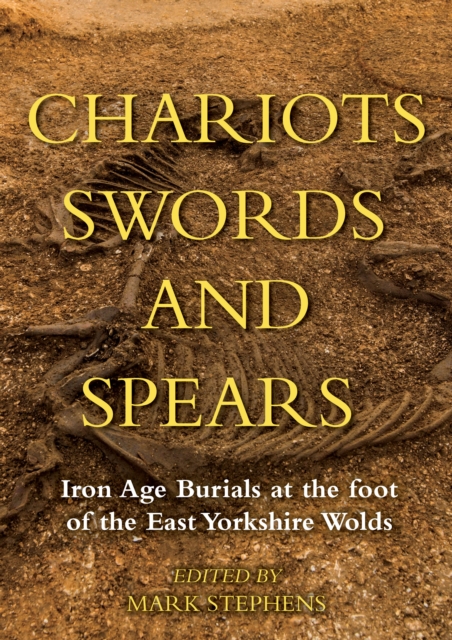
Much archaeological work is concerned with identifying gaps in our knowledge and developing strategies for addressing them; we perhaps spend less time thinking about how research should proceed when we already know, relatively speaking, quite a lot.
Much archaeological work is concerned with identifying gaps in our knowledge and developing strategies for addressing them; we perhaps spend less time thinking about how research should proceed when we already know, relatively speaking, quite a lot.
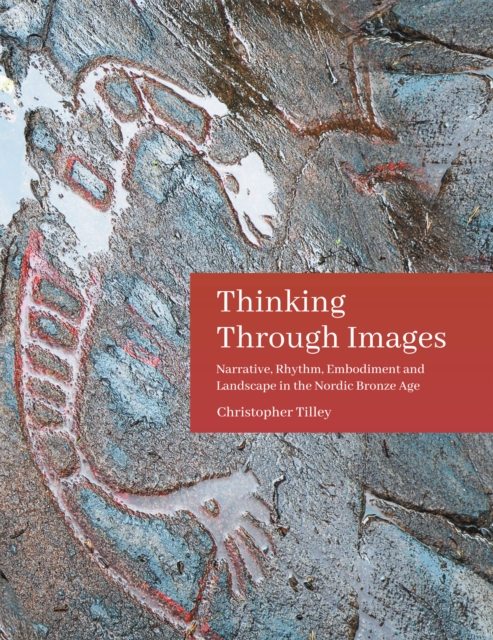
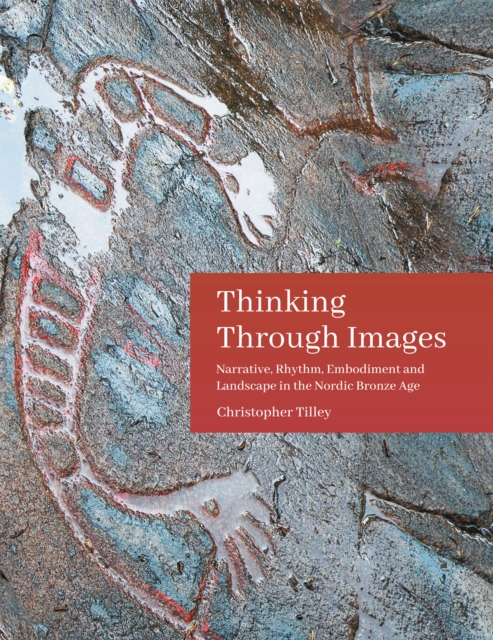
This book provides a general self-reflexive review and critical analysis of Scandinavian rock art from the standpoint of Chris Tilley’s research in this area over the last thirty years.
This book provides a general self-reflexive review and critical analysis of Scandinavian rock art from the standpoint of Chris Tilley’s research in this area over the last thirty years.
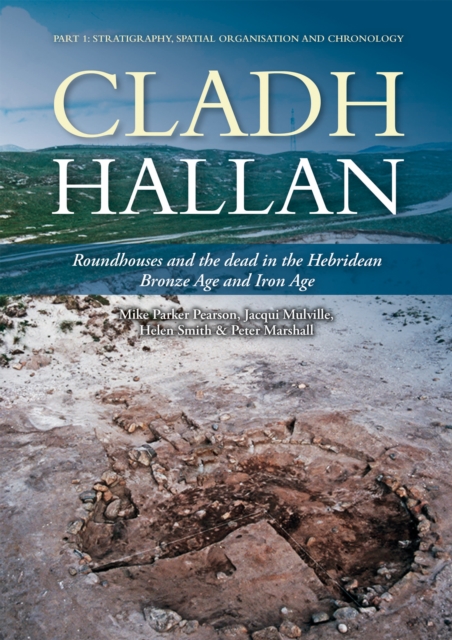
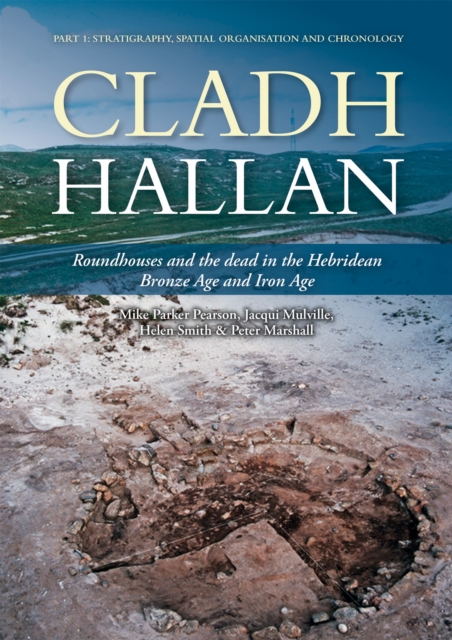
This first of two volumes presents the archaeological evidence of a long sequence of settlement and funerary activity from the Beaker period (Early Bronze Age c.
This first of two volumes presents the archaeological evidence of a long sequence of settlement and funerary activity from the Beaker period (Early Bronze Age c.
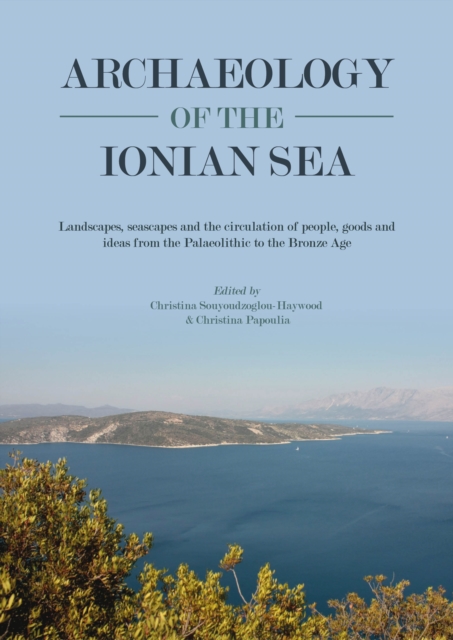
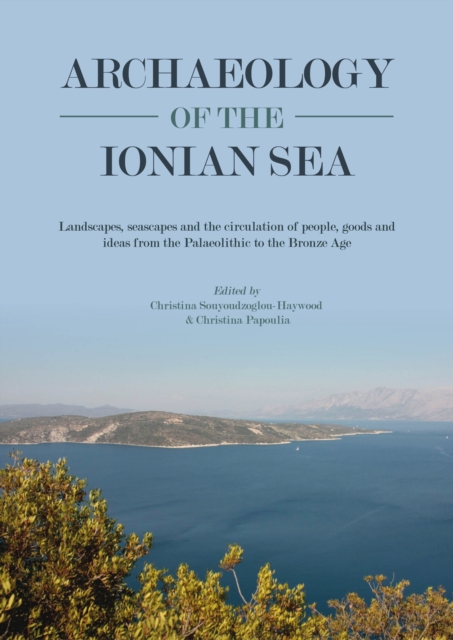
Presents a thematic collection of papers dealing with the Stone Age and Bronze Age archaeology of the Ionian Sea, situated off the south western Balkan peninsula.
Presents a thematic collection of papers dealing with the Stone Age and Bronze Age archaeology of the Ionian Sea, situated off the south western Balkan peninsula.
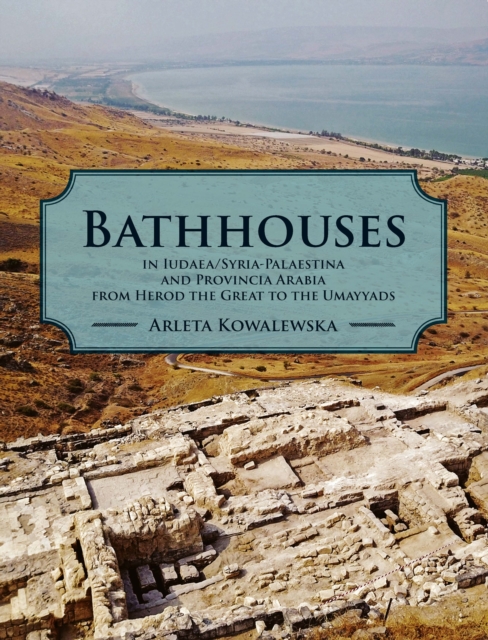
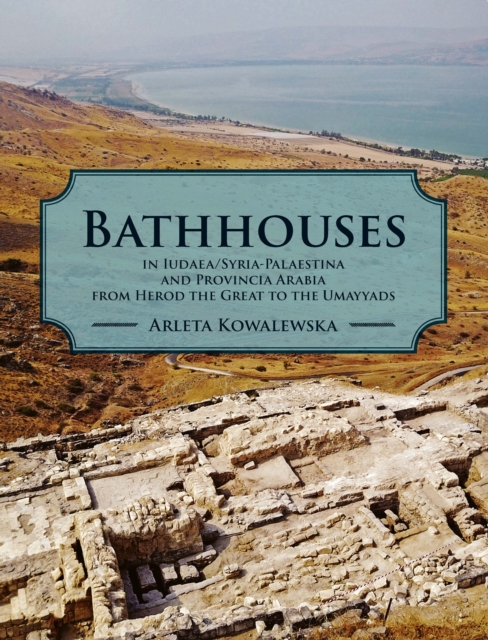
Bathing culture was one of the pillars of Roman society and bathhouses are one of the largest categories of a particular type of construction excavated in the Roman world.
Bathing culture was one of the pillars of Roman society and bathhouses are one of the largest categories of a particular type of construction excavated in the Roman world.
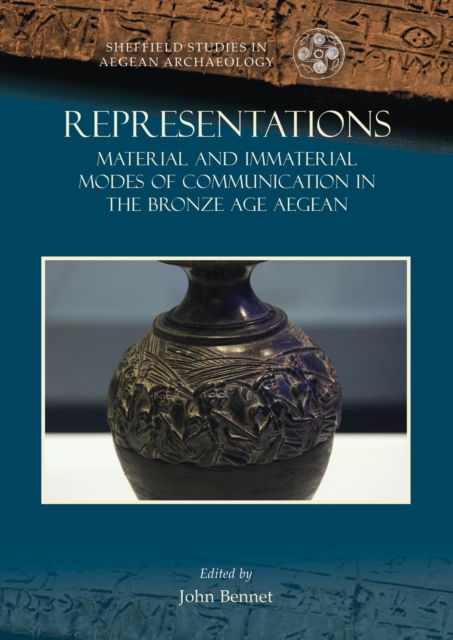
This volume presents a series of reflections on modes of communication in the Bronze Age Aegean, drawing on papers presented at two round table workshops of the Sheffield Centre for Aegean Archaeology on ‘Technologies of Representation’ and ‘Writing and Non-Writing in the Bronze Age Aegean’.
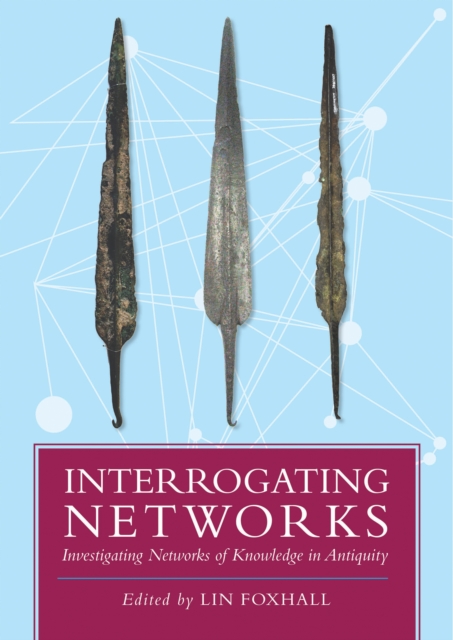
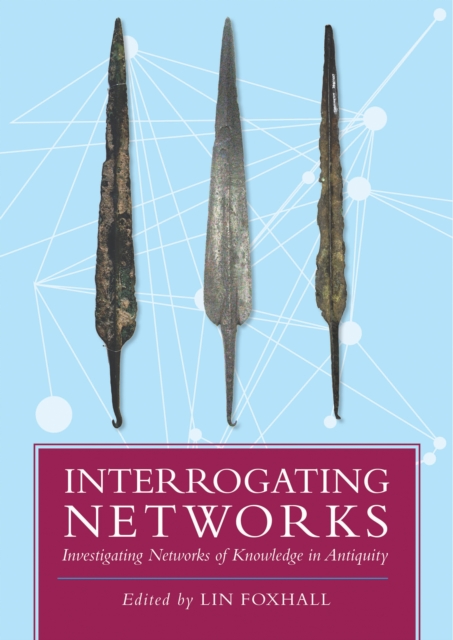
Network theory and methodologies have become central to exploring and explaining social, economic, and political relationships and connections in past societies.
Network theory and methodologies have become central to exploring and explaining social, economic, and political relationships and connections in past societies.
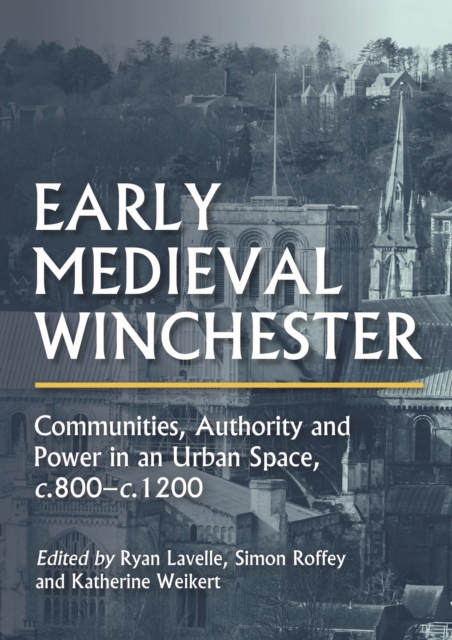
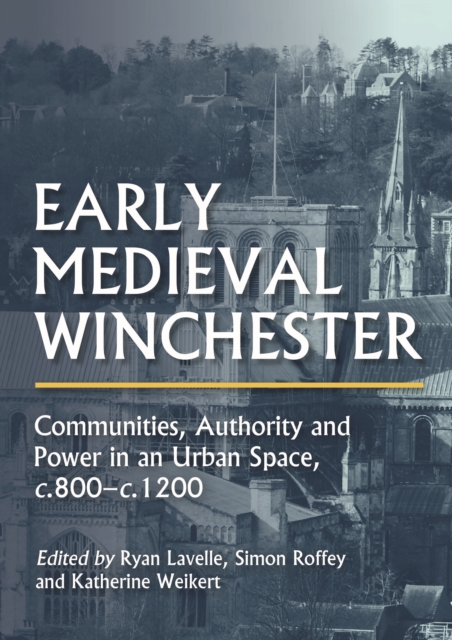
Winchester’s identity as a royal centre became well established between the ninth and twelfth centuries, closely tied to the significance of the religious communities who lived within and without the city walls.
Winchester’s identity as a royal centre became well established between the ninth and twelfth centuries, closely tied to the significance of the religious communities who lived within and without the city walls.
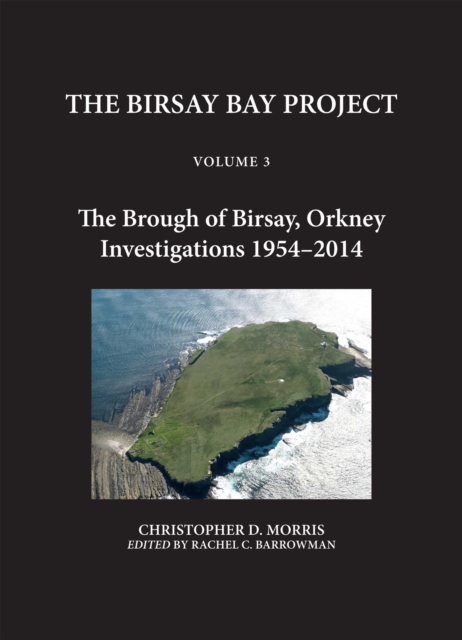
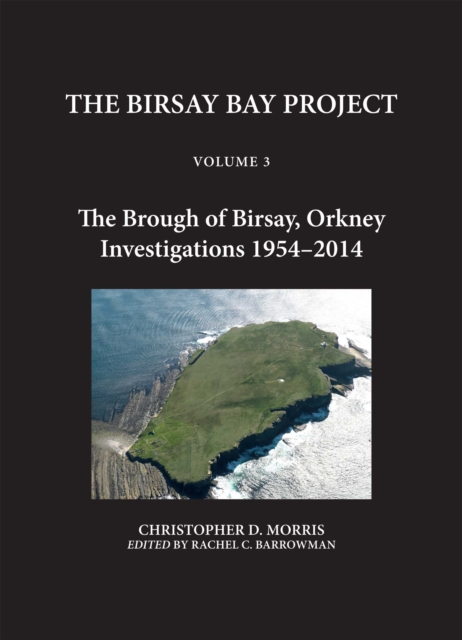
The Brough of Birsay was the power-center of the Viking earldom of Orkney and is one of Historic Environment Scotland’s key monuments and visitor attractions on the islands.
The Brough of Birsay was the power-center of the Viking earldom of Orkney and is one of Historic Environment Scotland’s key monuments and visitor attractions on the islands.
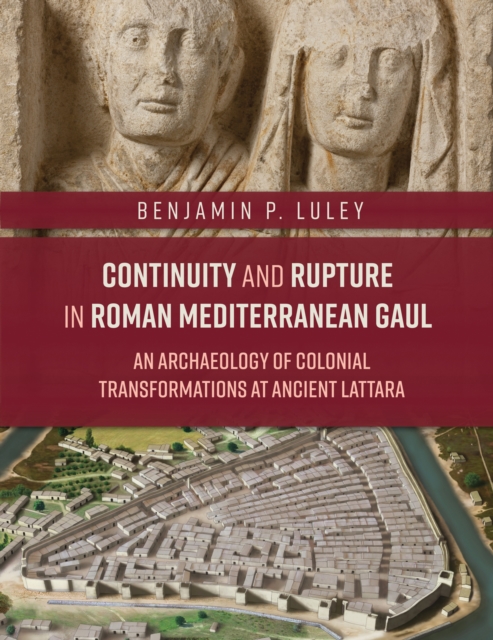
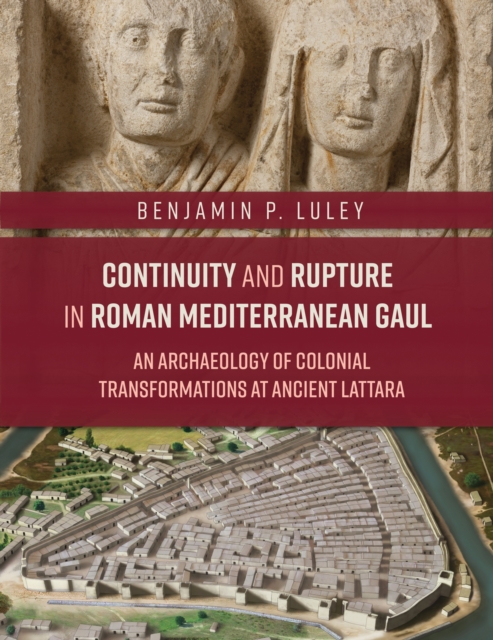
With the decline in popularity of the term “Romanization” as a way of analyzing the changes in the archaeological record visible throughout the conquered provinces of the Roman Empire, scholars have increasingly turned to the important concept of “identity” to understand the experiences of local peoples living under Roman rule.
With the decline in popularity of the term “Romanization” as a way of analyzing the changes in the archaeological record visible throughout the conquered provinces of the Roman Empire, scholars have increasingly turned to the important concept of “identity” to understand the experiences of local peoples living under Roman rule.
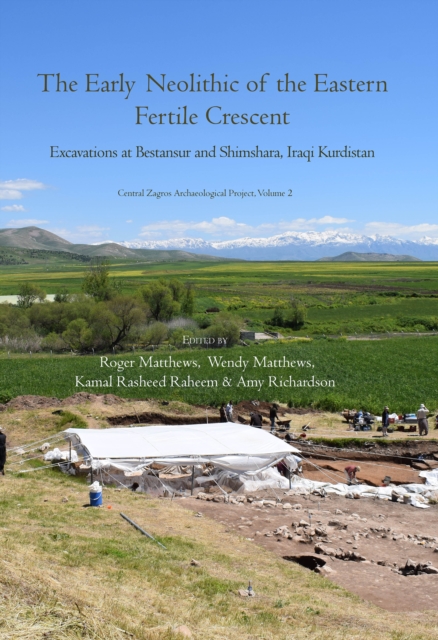
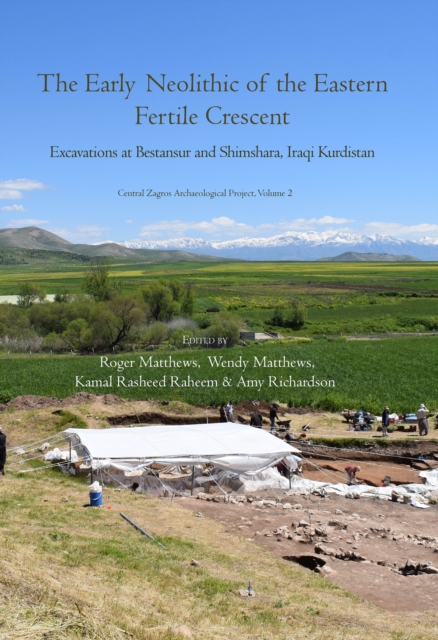
The Eastern Fertile Crescent region of western Iran and eastern Iraq hosted major developments in the transition from hunter-forager to farmer-herder lifestyles through the Early Neolithic period, 10,000-7000 BC.
The Eastern Fertile Crescent region of western Iran and eastern Iraq hosted major developments in the transition from hunter-forager to farmer-herder lifestyles through the Early Neolithic period, 10,000-7000 BC.
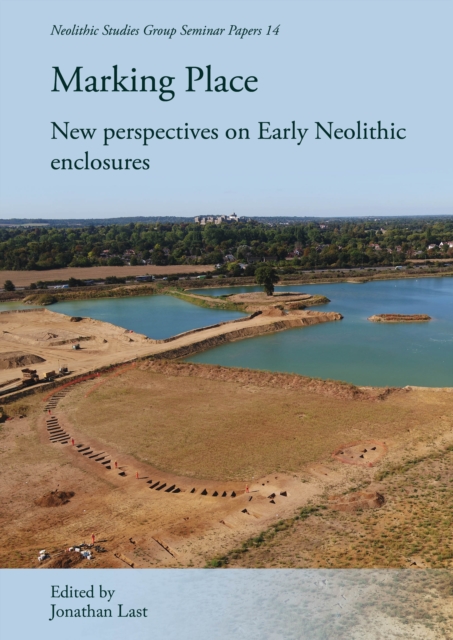
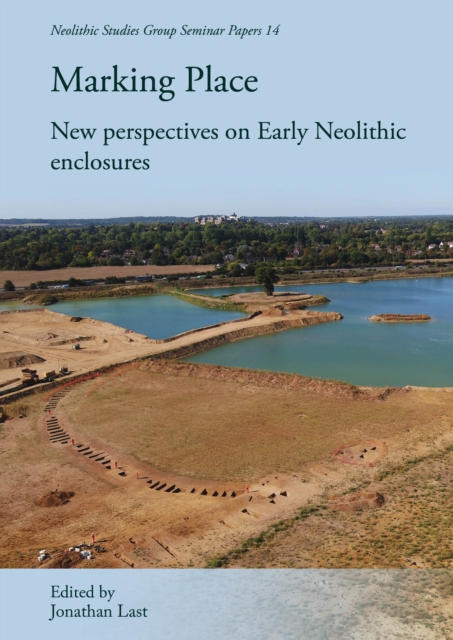
One of the principal characteristics of the European Neolithic is the development of monumentality in association with innovations in material culture and changes in subsistence from hunting and gathering to farming and pastoralism.
One of the principal characteristics of the European Neolithic is the development of monumentality in association with innovations in material culture and changes in subsistence from hunting and gathering to farming and pastoralism.