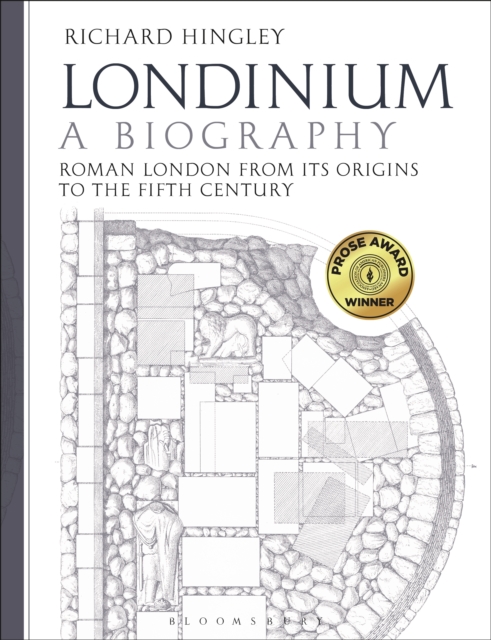
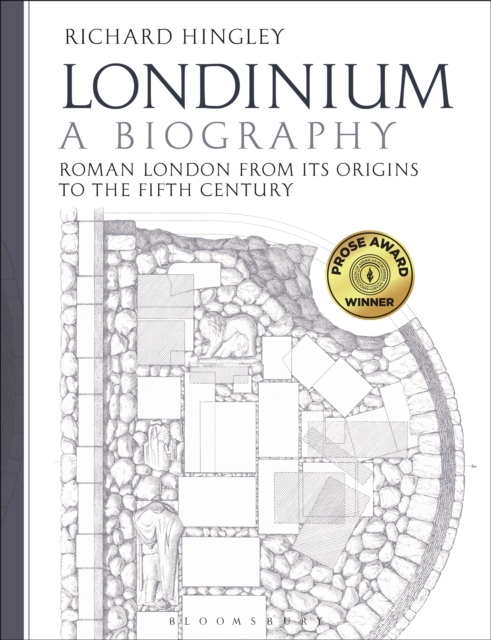
*** Winner of the PROSE Award (2019) for Classics ***This major new work on Roman London brings together the many new discoveries of the last generation and provides a detailed overview of the city from before its foundation in the first century to the fifth century AD.
*** Winner of the PROSE Award (2019) for Classics ***This major new work on Roman London brings together the many new discoveries of the last generation and provides a detailed overview of the city from before its foundation in the first century to the fifth century AD.
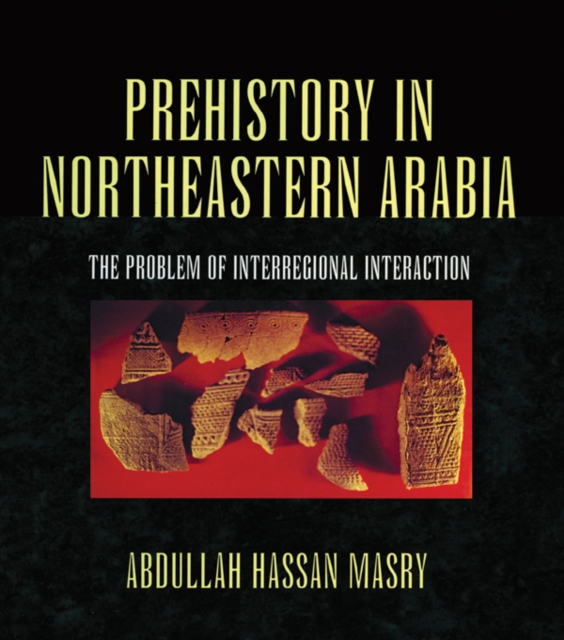
Interaction and mobility have attracted much interest in research within scholarly fields as different as archaeology, history, and more broadly the humanities.
Interaction and mobility have attracted much interest in research within scholarly fields as different as archaeology, history, and more broadly the humanities.
A multidisciplinary study of pre-Columbian South Americacentering on the psychoactive plant genus AnadenantheraAs cultures formed and evolved in pre-Columbian South America, Anadenanthera became one of the most widely used shamanic inebriants.
A multidisciplinary study of pre-Columbian South Americacentering on the psychoactive plant genus AnadenantheraAs cultures formed and evolved in pre-Columbian South America, Anadenanthera became one of the most widely used shamanic inebriants.
Southwestern Journal of Theology 2025 Book Award (Biblical Reference / Biblical Backgrounds)A fundamental principle of biblical interpretation is the importance of context--historical, literary, and canonical.
The history of East Central, Southeastern and Eastern Europe may be considered as alternating between a Marxist emphasis on rigid differences between Antiquity and the Middle Ages, largely derived from distinctive modes of production, and a preoccupation with borders, ethnicity, and personalities.
The Sacred Identity of Ephesos offers a full-length interpretation of one of the largest known bequests in the Classical world, made to the city of Ephesos in AD 104 by a wealthy Roman equestrian, and challenges some of the basic assumptions made about the significance of the Greek cultural renaissance known as the 'Second Sophistic'.
The Sacred Identity of Ephesos offers a full-length interpretation of one of the largest known bequests in the Classical world, made to the city of Ephesos in AD 104 by a wealthy Roman equestrian, and challenges some of the basic assumptions made about the significance of the Greek cultural renaissance known as the 'Second Sophistic'.
In Christians and Pagans in Roman Britain, first published in 1991, Professor Dorothy Watts sets out to distinguish possible Pagan features in Romano-British Christianity in the period leading up to and immediately following the withdrawal of Roman forces in AD 410.
In Christians and Pagans in Roman Britain, first published in 1991, Professor Dorothy Watts sets out to distinguish possible Pagan features in Romano-British Christianity in the period leading up to and immediately following the withdrawal of Roman forces in AD 410.
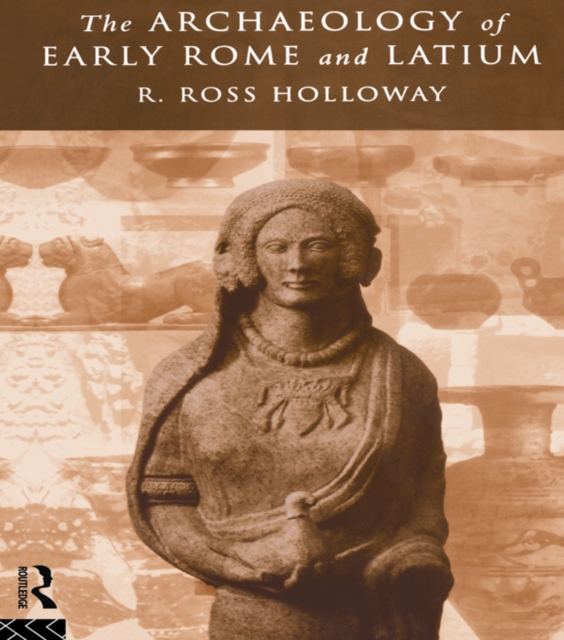
The archaeology of early Rome has progressed rapidly and dramatically over the last century; most recently with the discovery of the shrine of Aeneas at Lavinium and the reports of the walls of the Romulan city discovered on the city slopes of the Palatine Hill.
The archaeology of early Rome has progressed rapidly and dramatically over the last century; most recently with the discovery of the shrine of Aeneas at Lavinium and the reports of the walls of the Romulan city discovered on the city slopes of the Palatine Hill.
In Pannonia and Upper Moesia, first published 1974, Andras Mocsy surveys the Middle Danube Provinces from the latest pre-Roman Iron Age up to the beginning of the Great Migrations.
In Pannonia and Upper Moesia, first published 1974, Andras Mocsy surveys the Middle Danube Provinces from the latest pre-Roman Iron Age up to the beginning of the Great Migrations.
The Coming of Rome, first published in 1979, examines some basic features of Roman Britain: the cities, the towns, and the monuments of an urban culture.
The Coming of Rome, first published in 1979, examines some basic features of Roman Britain: the cities, the towns, and the monuments of an urban culture.
Roman Gaul, first published in 1983, makes use of a wealth of archaeological discoveries and modern methods of interpretation to give an account of the Roman presence in Gaul, from the time of Caesar's conquests until the Crisis of the third century.