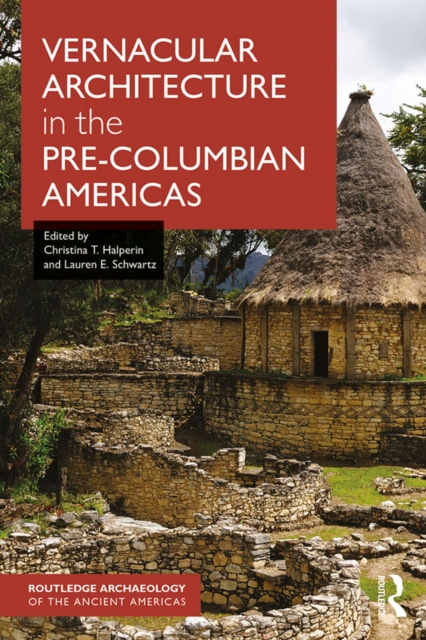
Vernacular Architecture in the Pre-Columbian Americas reveals the dynamism of the ancient past, where social relations and long-term history were created posthole by posthole, brick by brick.
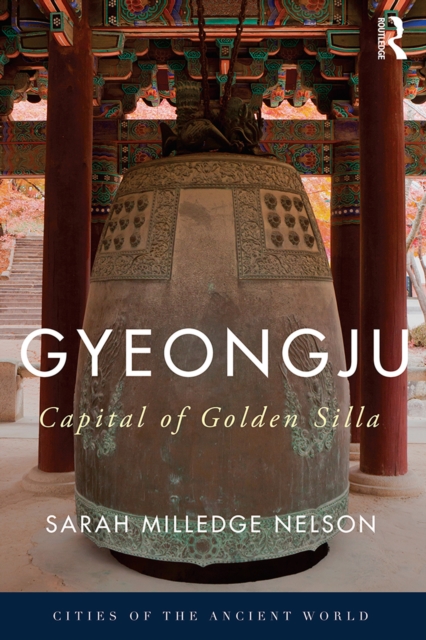
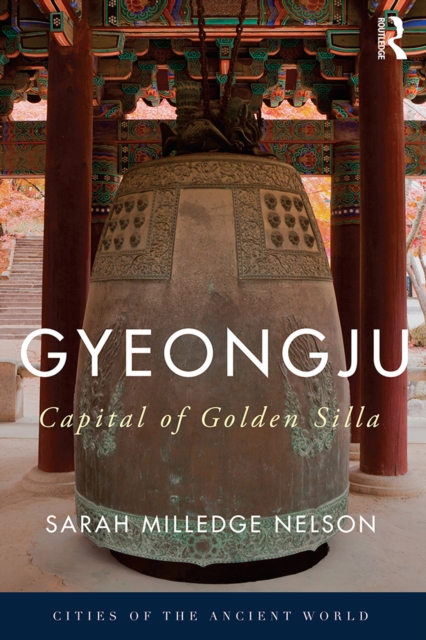
Gyeongju, the capital of the Kingdom of Silla, grew from a loose confederation of villages, called Saro, to become the capital of most of the Korean peninsula.
Gyeongju, the capital of the Kingdom of Silla, grew from a loose confederation of villages, called Saro, to become the capital of most of the Korean peninsula.
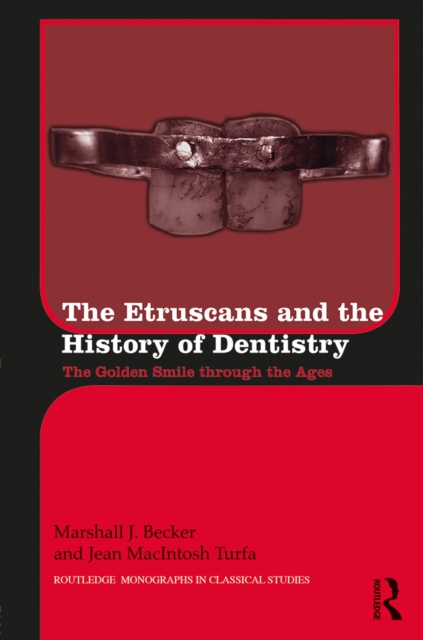
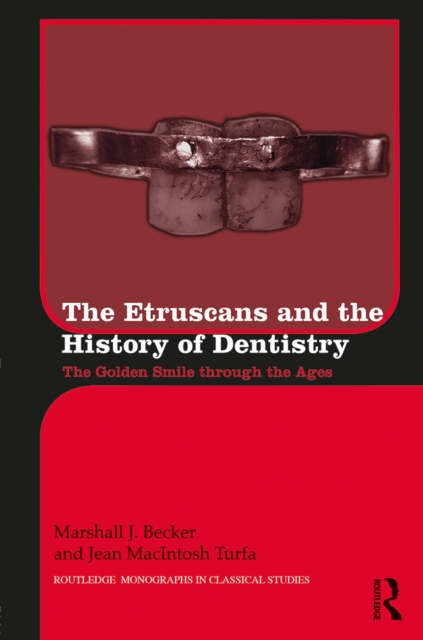
The Etruscans and the History of Dentistry offers a study of the construction and use of gold dental appliances in ancient Etruscan culture, and their place within the framework of a general history of dentistry, with special emphasis on appliances, from Bronze Age Mesopotamia and Egypt to modern Europe and the Americas.
The Etruscans and the History of Dentistry offers a study of the construction and use of gold dental appliances in ancient Etruscan culture, and their place within the framework of a general history of dentistry, with special emphasis on appliances, from Bronze Age Mesopotamia and Egypt to modern Europe and the Americas.
As elite communities in medieval societies the Military Orders were driven by the ambition to develop built environments that fulfilled monastic needs as well as military requirements and, in addition, residential and representational purposes.
As elite communities in medieval societies the Military Orders were driven by the ambition to develop built environments that fulfilled monastic needs as well as military requirements and, in addition, residential and representational purposes.
The Gallipoli peninsula in Turkey was the site of one of the most tragic and memorable battles of the twentieth century, with the Turks fighting the ANZAC (Australian New Zealand Army Corps) and soldiers from fifteen other countries.
The Gallipoli peninsula in Turkey was the site of one of the most tragic and memorable battles of the twentieth century, with the Turks fighting the ANZAC (Australian New Zealand Army Corps) and soldiers from fifteen other countries.
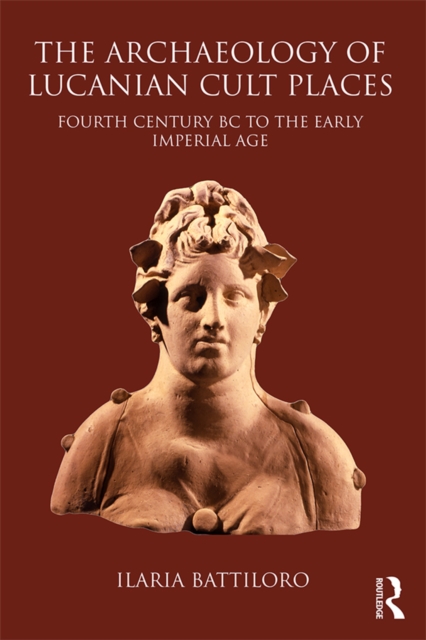
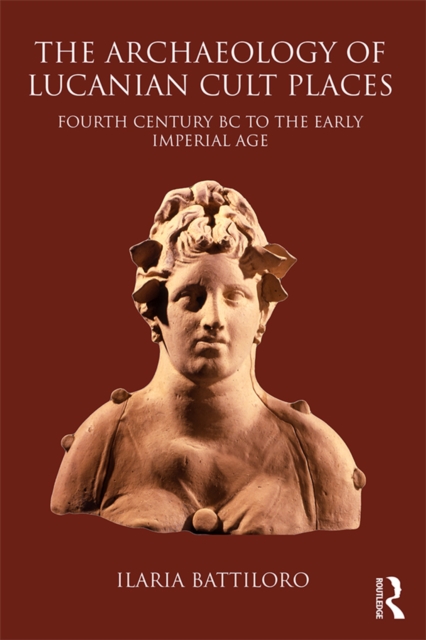
With the emergence and structuring of the Lucanian ethnos during the fourth century BC, a network of cult places, set apart from habitation spaces, was created at the crossroads of the most important communication routes of ancient Lucania.
With the emergence and structuring of the Lucanian ethnos during the fourth century BC, a network of cult places, set apart from habitation spaces, was created at the crossroads of the most important communication routes of ancient Lucania.
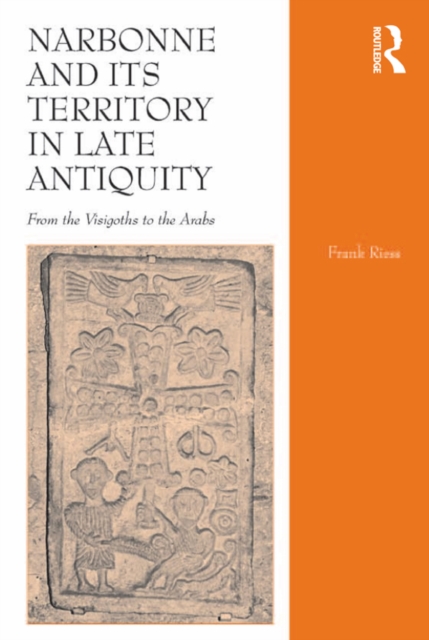
This work centres on the post-Roman period of Narbonne and its territory, up to its capture by the Arabs in 720, encompassing not only recent archaeological findings but also perspectives of French, Spanish and Catalan historiography that have fashioned distinct national narratives.
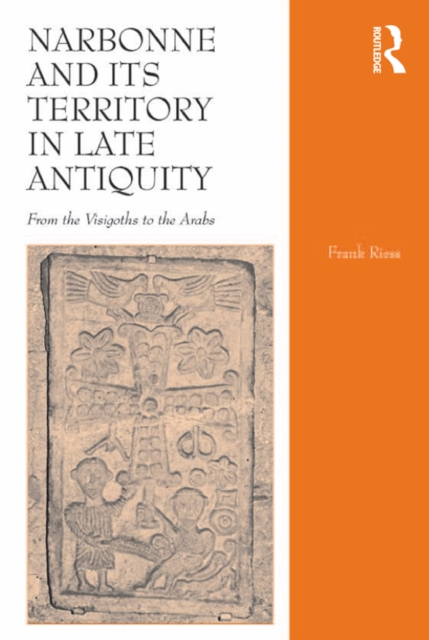
This work centres on the post-Roman period of Narbonne and its territory, up to its capture by the Arabs in 720, encompassing not only recent archaeological findings but also perspectives of French, Spanish and Catalan historiography that have fashioned distinct national narratives.
In 1759 the botanist and scientist Vitaliano Donati led an expedition to Egypt under the patronage of King Carlo Emanuele III of Sardinia, to acquire Egyptian antiquities for the Museum in Turin.
In 1759 the botanist and scientist Vitaliano Donati led an expedition to Egypt under the patronage of King Carlo Emanuele III of Sardinia, to acquire Egyptian antiquities for the Museum in Turin.
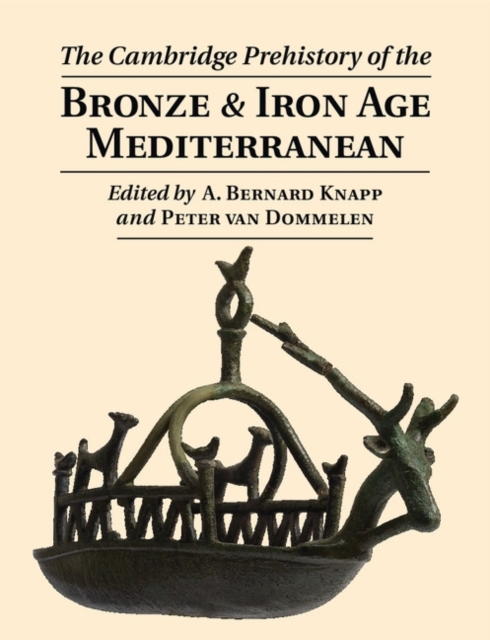
The Cambridge Prehistory of the Bronze and Iron Age Mediterranean explores contemporary archaeology of the Mediterranean region during the Bronze and Iron Ages.
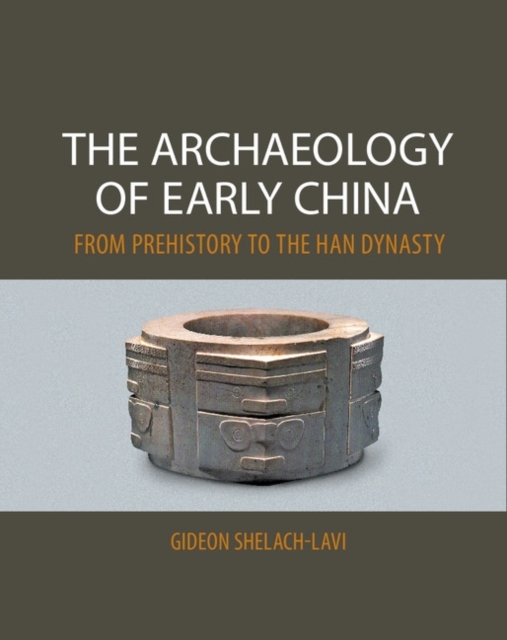
This book covers Chinese archaeology from the first people to the unification of the empire, emphasizing cultural variations and interregional contact.
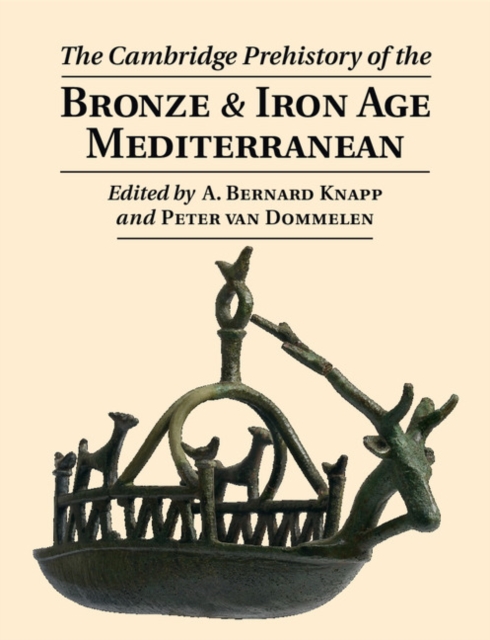
The Cambridge Prehistory of the Bronze and Iron Age Mediterranean explores contemporary archaeology of the Mediterranean region during the Bronze and Iron Ages.
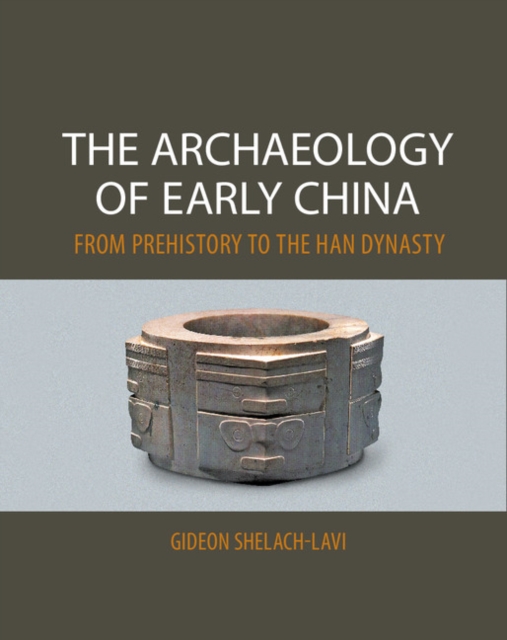
This book covers Chinese archaeology from the first people to the unification of the empire, emphasizing cultural variations and interregional contact.
Drawing on both published and archived archaeological evidence, this copiously illustrated book revolutionises our understanding of early Roman London.
Drawing on both published and archived archaeological evidence, this copiously illustrated book revolutionises our understanding of early Roman London.