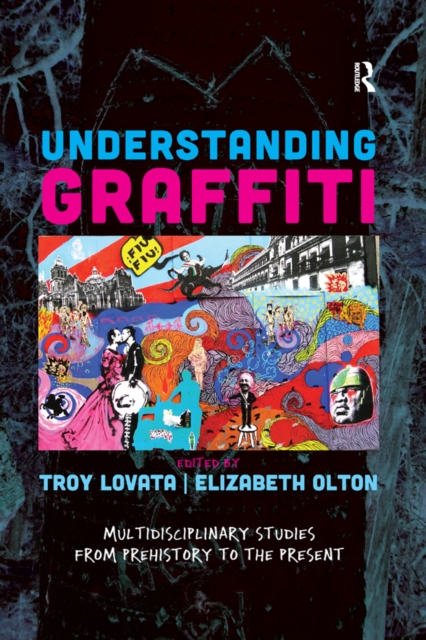
This collection of original articles brings together for the first time the research on graffiti from a wide range of geographical and chronological contexts and shows how they are interpreted in various fields.
This collection of original articles brings together for the first time the research on graffiti from a wide range of geographical and chronological contexts and shows how they are interpreted in various fields.
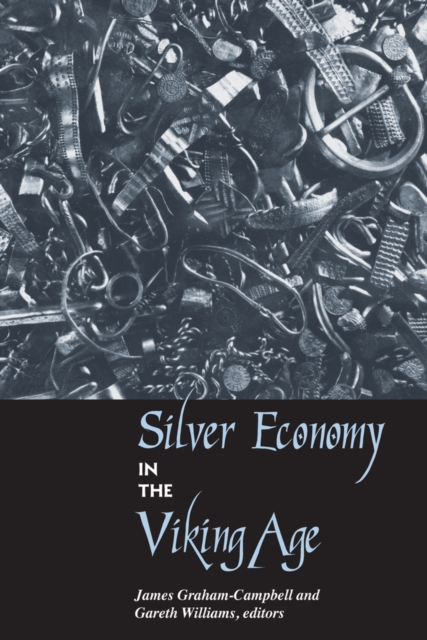
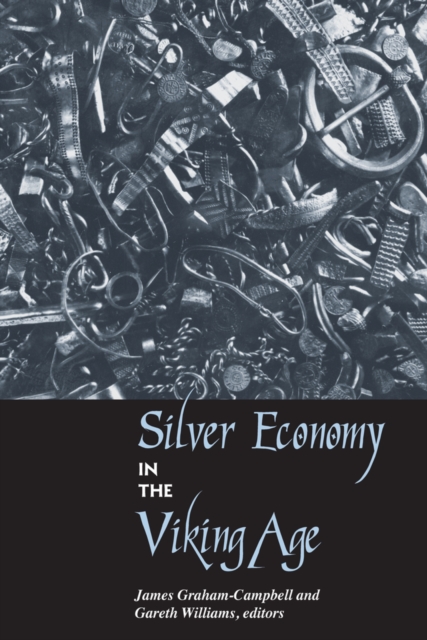
In this book contributions by archaeologists and numismatists from six countries address different aspects of how silver was used in both Scandinavia and the wider Viking world during the 8th to 11th centuries AD.
In this book contributions by archaeologists and numismatists from six countries address different aspects of how silver was used in both Scandinavia and the wider Viking world during the 8th to 11th centuries AD.
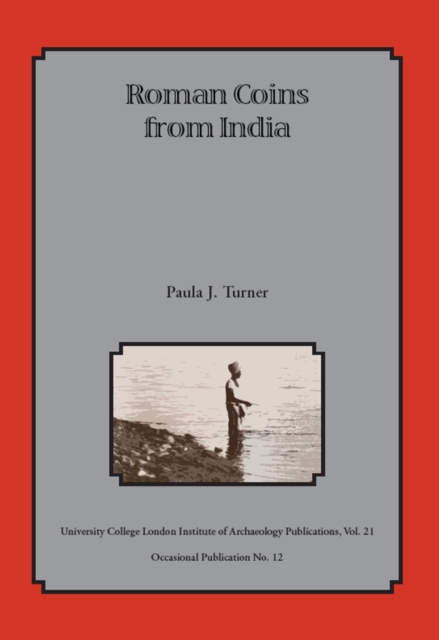
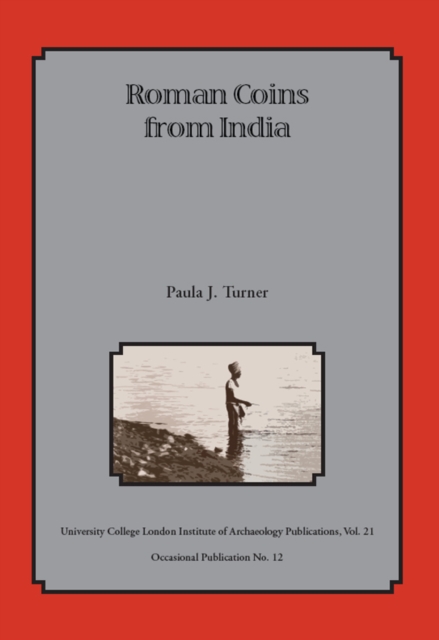
This book is a detailed collation of the recorded finds of Roman coins on Indian soil, divided into Republican, Julio-Claudian and post-Julio-Claudian coins.
This book is a detailed collation of the recorded finds of Roman coins on Indian soil, divided into Republican, Julio-Claudian and post-Julio-Claudian coins.
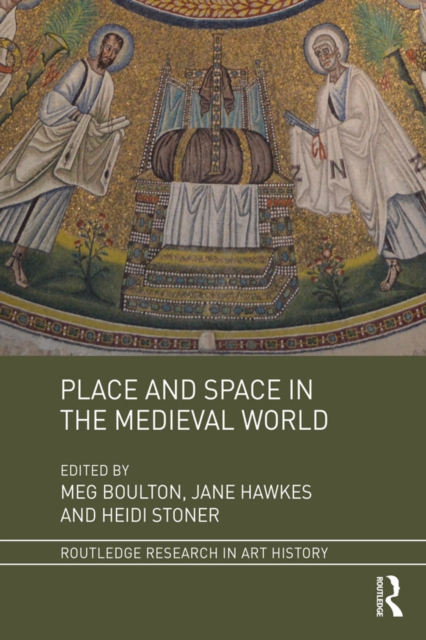
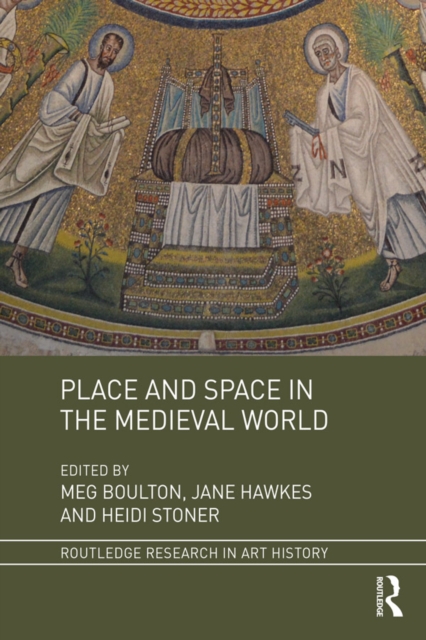
This book addresses the critical terminologies of place and space (and their role within medieval studies) in a considered and critical manner, presenting a scholarly introduction written by the editors alongside thematic case studies that address a wide range of visual and textual material.
This book addresses the critical terminologies of place and space (and their role within medieval studies) in a considered and critical manner, presenting a scholarly introduction written by the editors alongside thematic case studies that address a wide range of visual and textual material.
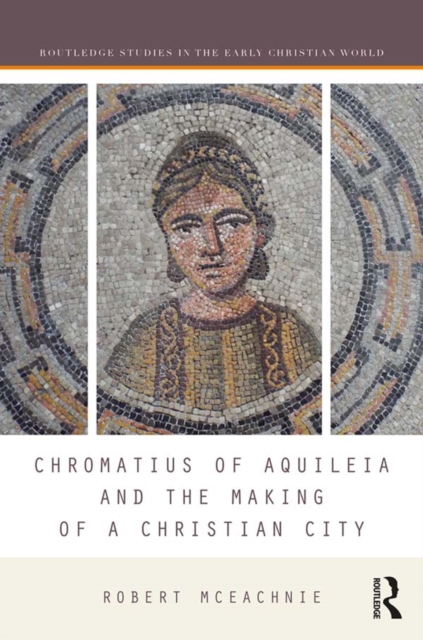
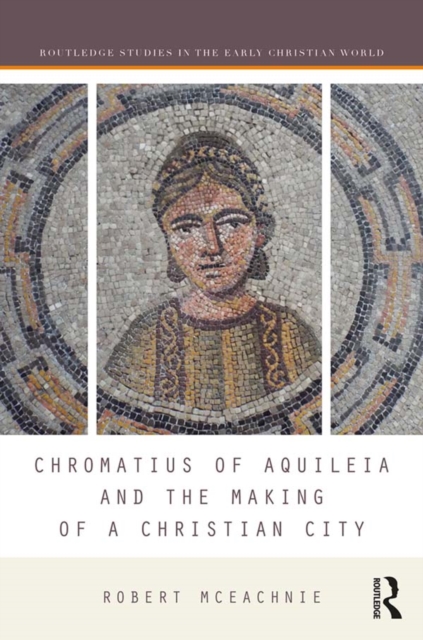
Chromatius of Aquileia and the Making of a Christian City examines how the increasing authority of institutionalized churches changed late antique urban environments.
Chromatius of Aquileia and the Making of a Christian City examines how the increasing authority of institutionalized churches changed late antique urban environments.
Revolutions in the Desert investigates the development of pastoral nomadism in the arid regions of the ancient Near East, challenging the prevailing notion that such societies left few remains appropriate for analytic study.
Revolutions in the Desert investigates the development of pastoral nomadism in the arid regions of the ancient Near East, challenging the prevailing notion that such societies left few remains appropriate for analytic study.
The Archaeology of the 11th Century addresses many key questions surrounding this formative period of English history and considers conditions before 1066 and how these changed.
The Archaeology of the 11th Century addresses many key questions surrounding this formative period of English history and considers conditions before 1066 and how these changed.
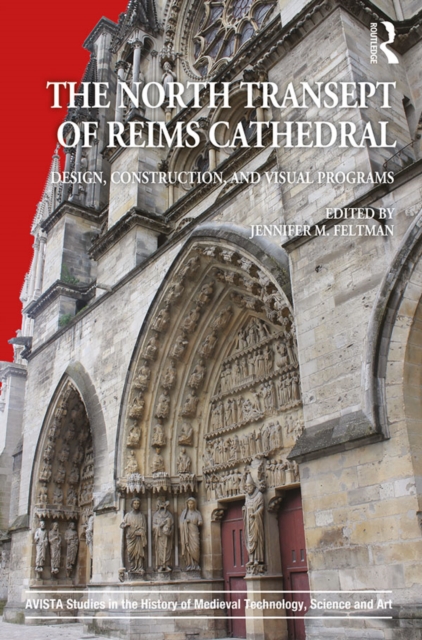
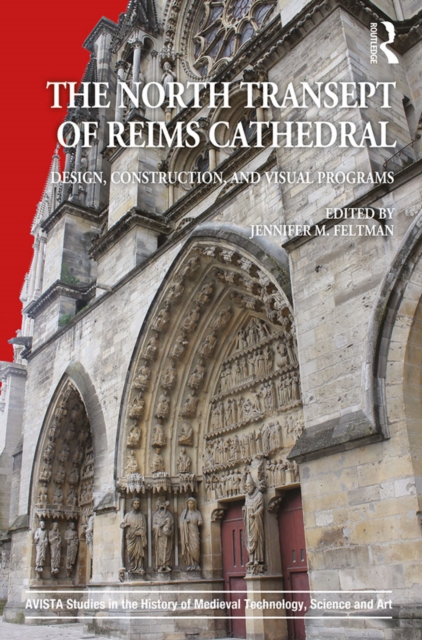
This interdisciplinary volume in the AVISTA series is the first book to focus solely on the north transept of Reims Cathedral, the portion of the gothic building that served as the canons' primary entrance to the cathedral from their adjoining cloister in the thirteenth century.
This interdisciplinary volume in the AVISTA series is the first book to focus solely on the north transept of Reims Cathedral, the portion of the gothic building that served as the canons' primary entrance to the cathedral from their adjoining cloister in the thirteenth century.
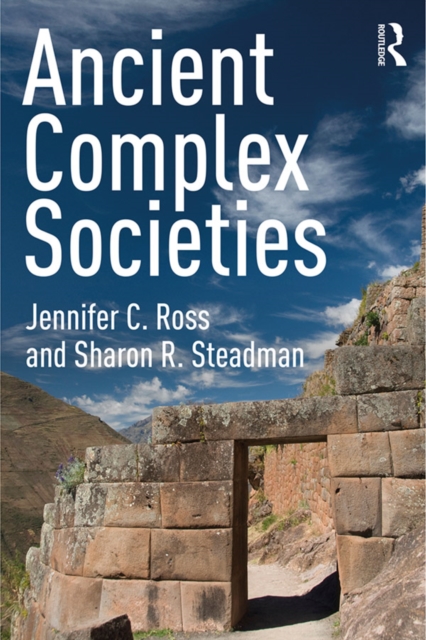
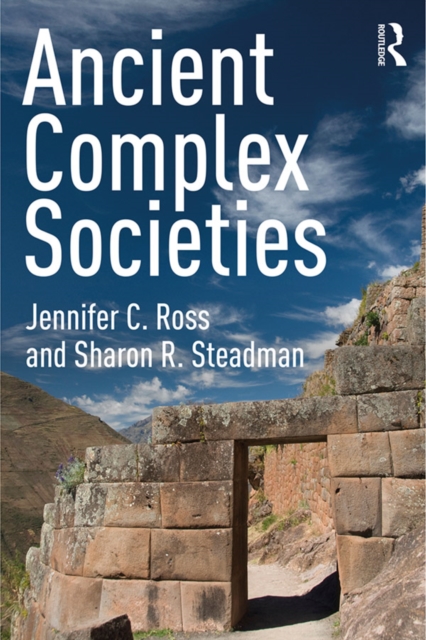
Ancient Complex Societies examines the archaeological evidence for the rise and functioning of politically and socially "e;complex"e; cultures in antiquity.
Ancient Complex Societies examines the archaeological evidence for the rise and functioning of politically and socially "e;complex"e; cultures in antiquity.
Over the course of four centuries, the island of Malta underwent several significant political transformations, including its roles as a Catholic bastion under the Knights of St.
Britain has been inhabited by humans for over half a million years, during which time there were a great many changes in lifestyles and in the surrounding landscape.
Britain has been inhabited by humans for over half a million years, during which time there were a great many changes in lifestyles and in the surrounding landscape.
Material Connections eschews outdated theory, tainted by colonialist attitudes, and develops a new cultural and historical understanding of how factors such as mobility, materiality, conflict and co-presence impacted on the formation of identity in the ancient Mediterranean.
Material Connections eschews outdated theory, tainted by colonialist attitudes, and develops a new cultural and historical understanding of how factors such as mobility, materiality, conflict and co-presence impacted on the formation of identity in the ancient Mediterranean.
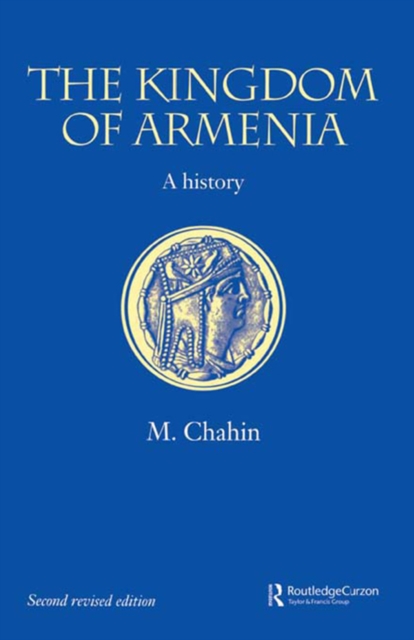
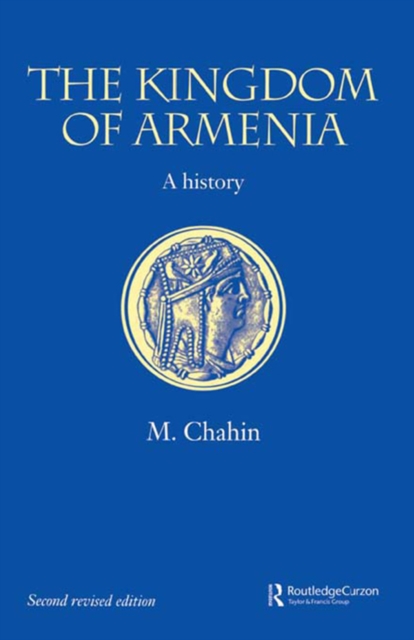
While the majority of contemporary works on Armenia concentrate on the modern era, The Kingdom of Armenia takes its beginning in the third century BC, with the ancient literate peoples of Mesopotamia who had commercial interests in the land of Armenia, and continues with a comprehensive overview through to the end of the Middle Ages.
While the majority of contemporary works on Armenia concentrate on the modern era, The Kingdom of Armenia takes its beginning in the third century BC, with the ancient literate peoples of Mesopotamia who had commercial interests in the land of Armenia, and continues with a comprehensive overview through to the end of the Middle Ages.
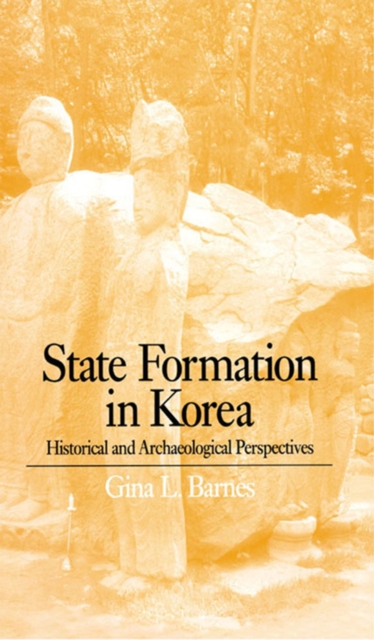
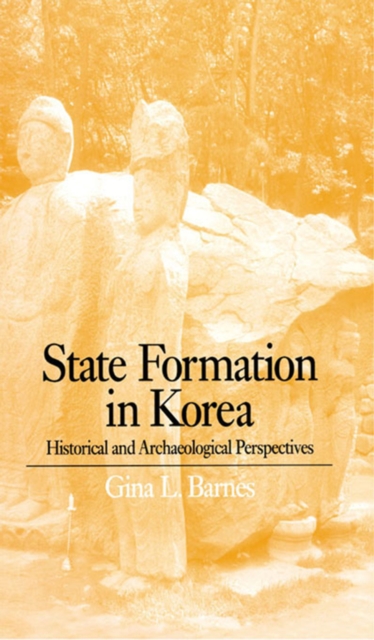
This volume brings together for the first time a significant body of Professor Barnes' scholarly writing on early Korean state formation, integrated so that successive topics form a coherent overview of the problems and solutions in peninsular state formation.
This volume brings together for the first time a significant body of Professor Barnes' scholarly writing on early Korean state formation, integrated so that successive topics form a coherent overview of the problems and solutions in peninsular state formation.
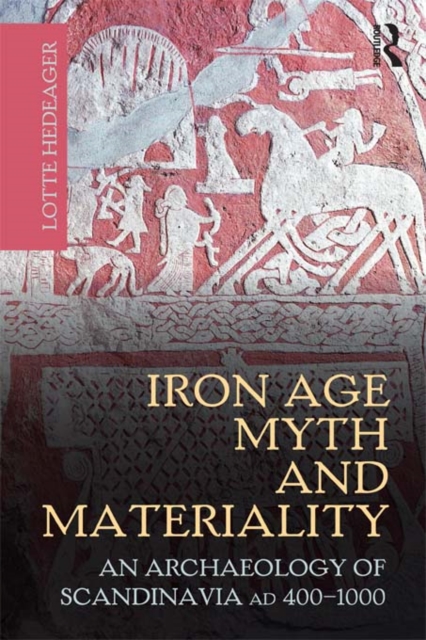
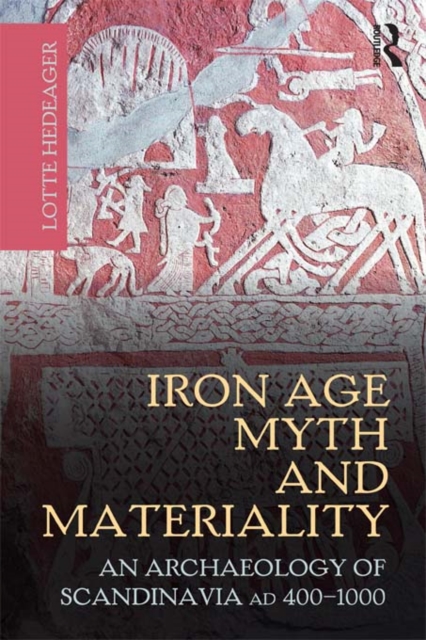
Iron Age Myth and Materiality: an Archaeology of Scandinavia AD 400-1000 considers the relationship between myth and materiality in Scandinavia from the beginning of the post-Roman era and the European Migrations up until the coming of Christianity.
Iron Age Myth and Materiality: an Archaeology of Scandinavia AD 400-1000 considers the relationship between myth and materiality in Scandinavia from the beginning of the post-Roman era and the European Migrations up until the coming of Christianity.
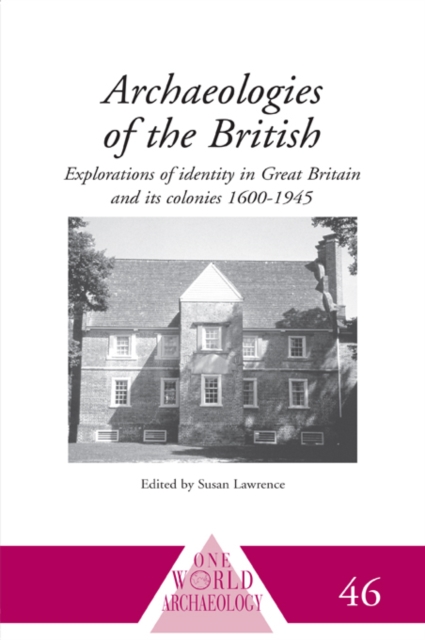
Beginning with the early English colonisation of Ireland and Virginia, the international range of contributors in Archaeology of the British examine the interplay of objects and identity in Scotland and Wales, regional England, Canada, Australia, South Africa, Cyprus, and Sri Lanka.