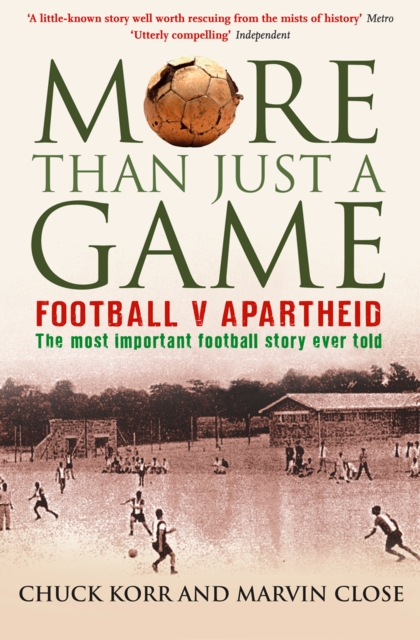
The universal jubilation that greeted Nelson Mandela's inauguration as president of South Africa in 1994 and the process by which the nightmare of apartheid had been banished is one of the most thrilling, hopeful stories in the modern era: peaceful, rational change was possible and, as with the fall of the Berlin Wall, the weight of an oppressive history was suddenly lifted.
Sir Seretse Khama, the first President of Botswana and heir apparent to the kingship of the Bangwato people, brought independence and great prosperity to his nation after colonial rule.
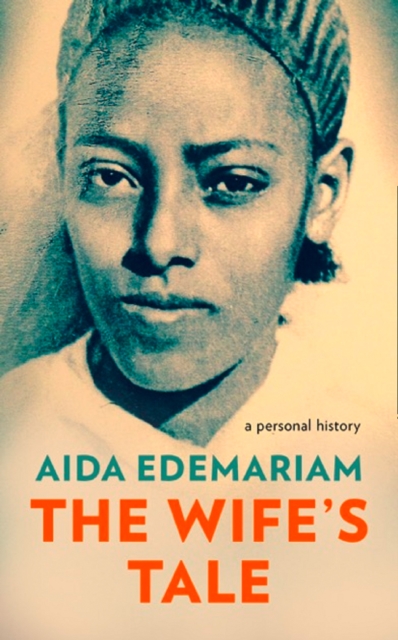
WINNER OF THE RSL ONDAATJE PRIZE 2019AN ECONOMIST BOOK OF THE YEARA CBC BOOK OF THE YEARThe extraordinary story of an indomitable 95-year-old woman - and of the most extraordinary century in Ethiopia's history.
A brilliantly written exploration - part travel writing, part personal quest - of Africa's oldest and most famous populationThe Bushmen have long been mythologised and are firmly entrenched in the Western mind.
A true story of empire set in the Crimea, Sudan, Ceylon and Egypt - beautifully written and shot through with real psychological and historical insight.
A deeply affecting memoir of a childhood in Africa and the continent's horrendous wars, which Hartley witnessed at first hand as a journalist in the 1990s.
Widely considered to be the most important biography of Nelson Mandela, Antony Sampson's remarkable book has been updated with an afterword by acclaimed South African journalist, John Battersby.
The inspirational memoir from Paralympian and disability advocate Anne Wafula Strike Left partially paralysed below the rib cage by polio, Anne Wafula Strike was forced to flee her native Kenyan village, moving across the country with her family.
In a series of powerful accounts drawn from diaries, letters, sound archives and interviews recorded during the period of devastation, discovery and transformation that make the blitz such an outstanding event in Britain's recent past, "e;The Blitz"e; brings to life the intense experiences, as they happened all over Britain.
One small East African country embodies the battered history of the continent: patronised by colonialists, riven by civil war, confused by Cold War manoeuvring, proud, colorful, with Africa's best espresso and worst rail service.
A panoramic global history of Africa in the age of imperialismAfrica's long nineteenth century was a time of revolutionary ferment and cultural innovation for the continent's states, societies, and economies.
This is the story of one man's service in the British South Africa Police of Rhodesia during his service of nearly fifteen years, between the years 1965 and 1979, and in many ways forms a sequel to the author's book Mad Dog Killers.
A fascinating narrative excursion into a bizarre episode in 19th century Ethiopian and British imperial history, featuring a remote African despot and his monstrous European-built gun.
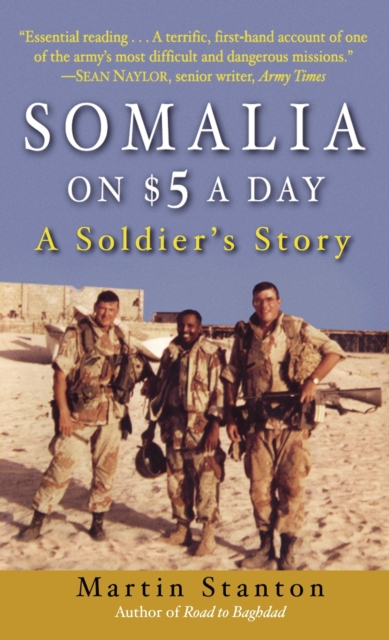
“Stanton’s battalion was the first army unit in Somalia in 1992 and it did one hell of a job accomplishing a difficult mission where there wasn’t a template.
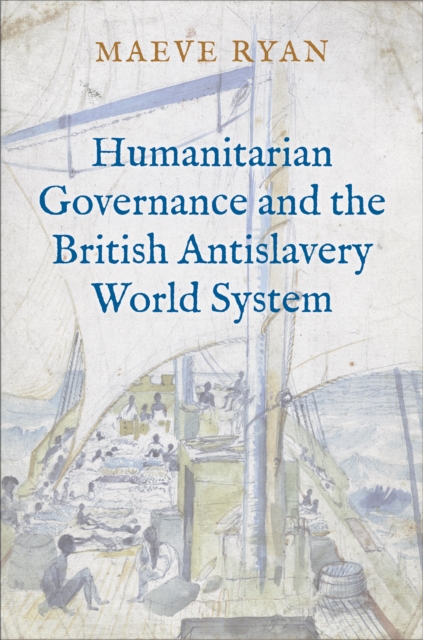
How the suppression of the slave trade and the "e;disposal"e; of liberated Africans shaped the emergence of modern humanitarianism Between 1808 and 1867, the British navy's Atlantic squadrons seized nearly two thousand slave ships, "e;re capturing"e; almost two hundred thousand enslaved people and resettling them as liberated Africans across sites from Sierra Leone and Cape Colony to the West Indies, Brazil, Cuba, and beyond.
A comprehensive history of the relationship between Africa and the United States Toyin Falola and Raphael Njoku reexamine the history of the relationship between Africa and the United States from the dawn of the trans-Atlantic slave trade to the present.
Available now for the first time in English, the most important work of one of the great moderate political leaders of the Muslim world Rached Ghannouchi has long been known as a reformist or moderate Islamist thinker.
The surprising connections between the American frontier and empire in southern Africa, and the people who participated in both This book begins in an era when romantic notions of American frontiering overlapped with Gilded Age extractive capitalism.
Authors Christensen and Laitin argue that an interplay of geographic, historical, and demographic factors undergird sub'Saharan states’ post'independence struggles to eradicate poverty, establish democratic accountability, and quell civil unrest.
A sobering study of the troubled African nation, both pre- and post-genocide, and its uncertain futureThe brutal civil war between Hutu and Tutsi factions in Rwanda ended in 1994 when the Rwandan Patriotic Front came to power and embarked on an ambitious social, political, and economic project to remake the devastated central-east African nation.
The unique story of a small community of escaped slaves who revolted against the British government yet still managed to maneuver and survive against all odds After being exiled from their native Jamaica in 1795, the Trelawney Town Maroons endured in Nova Scotia and then in Sierra Leone.
A history of the abolition of the British slave trade in Sierra Leone and how the British used its success to justify colonialism in Africa British anti-slavery, widely seen as a great sacrifice of economic and political capital on the altar of humanitarianism, was in fact profitable, militarily useful, and crucial to the expansion of British power in West Africa.
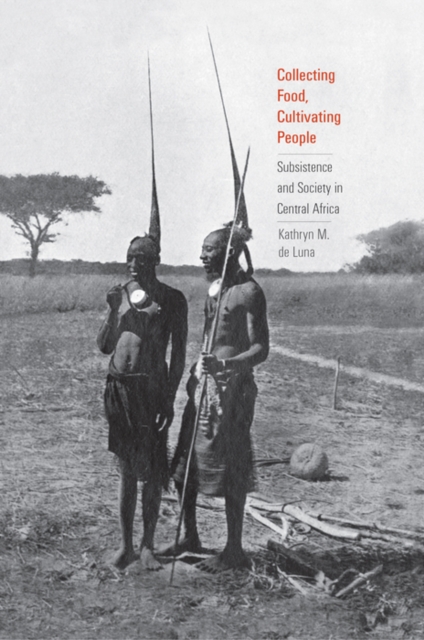
A rich analysis of the complex dynamic between food collection and food production in the farming societies of precolonial south central Africa Engaging new linguistic evidence and reinterpreting published archaeological evidence, this sweeping study explores the place of bushcraft and agriculture in the precolonial history of south central Africa across nearly three millennia.
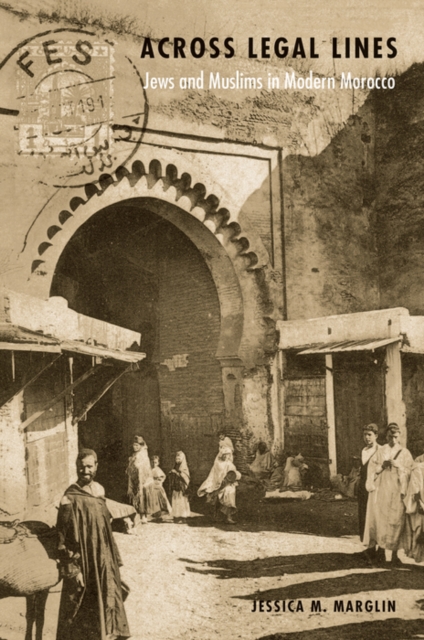
A previously untold story of Jewish-Muslim relations in modern Morocco, showing how law facilitated Jews’ integration into the broader Moroccan society in which they lived Morocco went through immense upheaval in the nineteenth and early twentieth centuries.
A provocative reassessment of the relationship between states and environmental politics in Africa From climate-related risks such as crop failure and famine to longer-term concerns about sustainable urbanization, environmental justice, and biodiversity conservation, African states face a range of environmental issues.
A member of the unique generation of African writers and intellectuals who came of age in the last days of colonialism, Wole Soyinka has witnessed the promise of independence and lived through postcolonial failure.
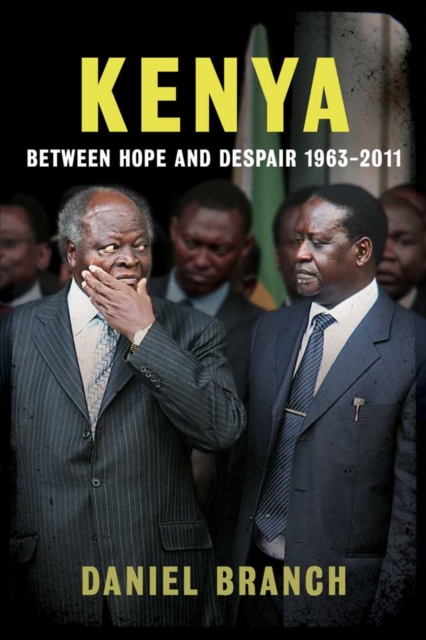
An illuminating account of Kenya's first fifty years of independence and the issues that block the nation's path to prosperity and justice On December 12, 1963, people across Kenya joyfully celebrated independence from British colonial rule, anticipating a bright future of prosperity and social justice.
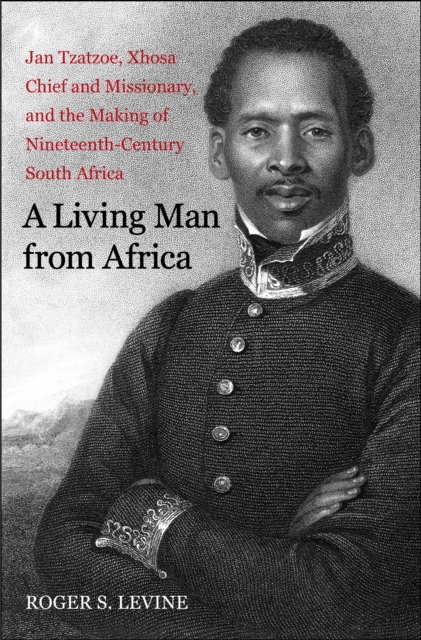
Born into a Xhosa royal family around 1792 in South Africa, Jan Tzatzoe was destined to live in an era of profound change—one that witnessed the arrival and entrenchment of European colonialism.
A lively and informed account of Egypt’s recent history and current situation Famous until the 1950s for its religious pluralism and extraordinary cultural heritage, Egypt is now seen as an increasingly repressive and divided land, home of the Muslim Brotherhood and an opaque regime headed by the aging President Mubarak.
An important assessment of the current political climate in Africa's most important region and its far-reaching implicationsIn this timely and essential book, Stephen Chan explores the political landscape of southern Africa, examining how it's poised to change over the next years and what the repercussions are likely to be across the continent.