African women's history is a vast topic that embraces a wide variety of societies in over 50 countries with different geographies, social customs, religions, and historical situations.
The overriding theme of this work is that women's struggles, human rights, myths, and literary expression are indispensable to an understanding of the modern culture and socio-political development of the Middle East region.
Burkina Faso, known as Upper Volta until its independence from France in 1960, and locally called the "e;land of the upright people,"e; is a medium-sized land-locked country with no less than six neighbors, some of which periodically get into trouble.
Africa welcomes business investment and offers some of the world's highest returns and impactsAfrica has tremendous economic potential and offers rewarding opportunities for global businesses looking for new markets and long-term investments with favorable returns.
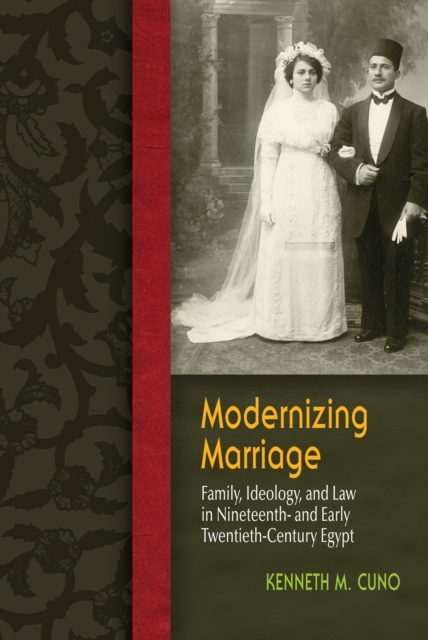
In 1910, when Khedive Abbas II married a second wife surreptitiously, the contrast with his openly polygamous grandfather, Ismail, whose multiple wives and concubines signified his grandeur and masculinity, could not have been greater.
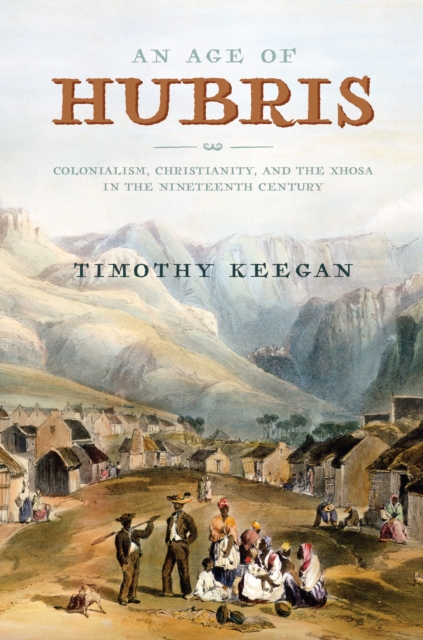
An Age of Hubris is the first comprehensive overview of the impact of missionary enterprise on the Xhosa chiefdoms of South Africa in the first half of the nineteenth century, chronicling a world punctuated by war and millenarian eruptions, and the steady encroachment of settler land hunger and colonial hegemony.
An Age of Hubris is the first comprehensive overview of the impact of missionary enterprise on the Xhosa chiefdoms of South Africa in the first half of the nineteenth century, chronicling a world punctuated by war and millenarian eruptions, and the steady encroachment of settler land hunger and colonial hegemony.
Guinea-Bissau is a small country in West Africa, and yet it managed to wrest its independence from Portugal back in 1973, at the cost of a long and bitter struggle against seemingly implacable odds.
In this eloquent memoir, already widely read and praised in the author's native South Africa, Hermann Giliomee weaves together the story of his own life with that of his country--a nation that continues to absorb and inspire him, both despite and because of its tortuous history.
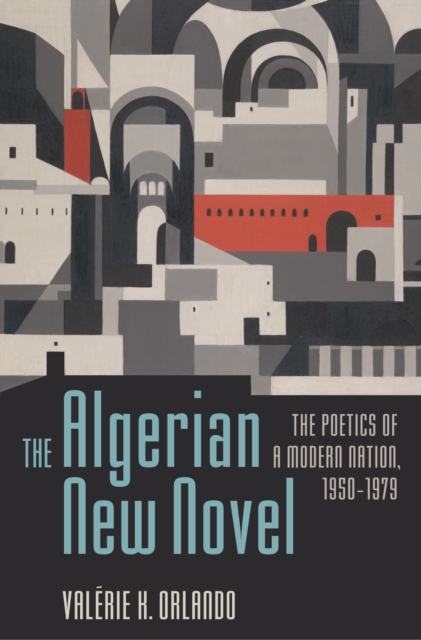
Disputing the claim that Algerian writing during the struggle against French colonial rule dealt almost exclusively with revolutionary themes, The Algerian New Novel shows how Algerian authors writing in French actively contributed to the experimental forms of the period, expressing a new age literarily as well as politically and culturally.
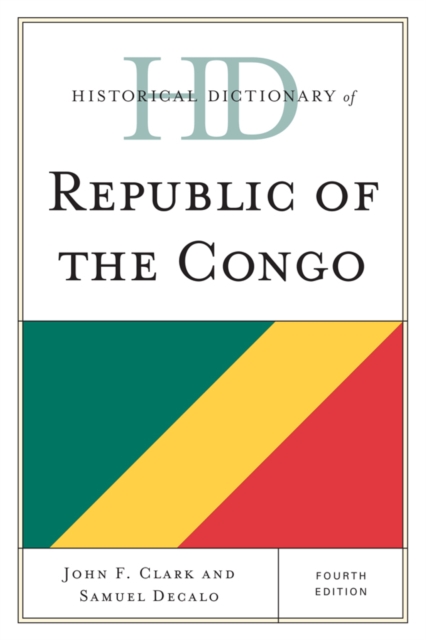
The fourth edition of the Historical Dictionary of Republic of the Congo provides a comprehensive set of references on the country's history, politics, economics, and culture.
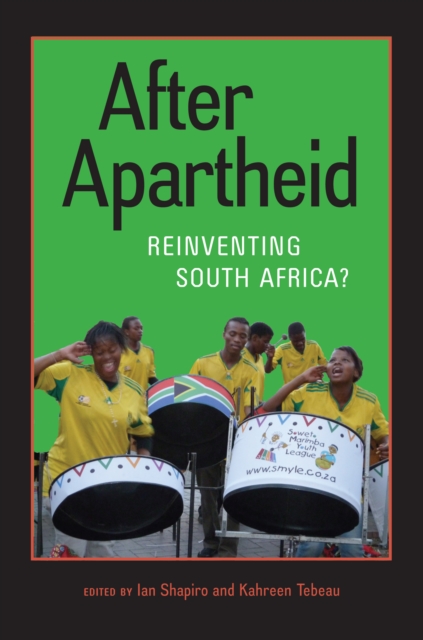
Democracy came to South Africa in April 1994, when the African National Congress won a landslide victory in the first free national election in the country's history.
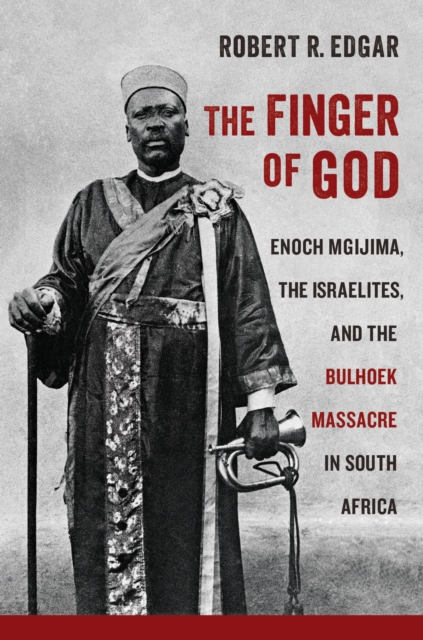
On the morning of May 24, 1921, a force of eight hundred white policemen and soldiers confronted an African prophet, Enoch Mgijima, and some three thousand of his followers.
Ever since the end of World War II, and even more so since 1960, when 17 African colonies became independent of colonial rule, the African continent has been ravaged by a series of wars.
From the beginning of the nineteenth century through to 1960, Protestant missionaries were the most important intermediaries between South Africa's ruling white minority and its black majority.
Benin is now perceived of as a model of democracy in Africa because it has successfully established a democratic political system based on consensus and regular and fair elections, and it continues to improve its electoral and parliamentary systems.
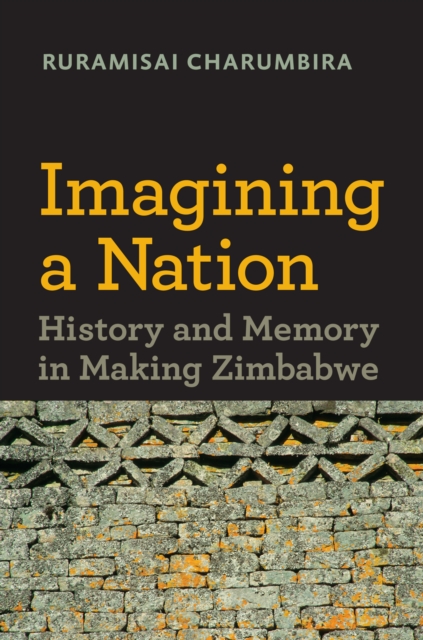
In Imagining a Nation, Ruramisai Charumbira analyzes competing narratives of the founding of Rhodesia/Zimbabwe constructed by political and cultural nationalists both black and white since occupation in 1890.
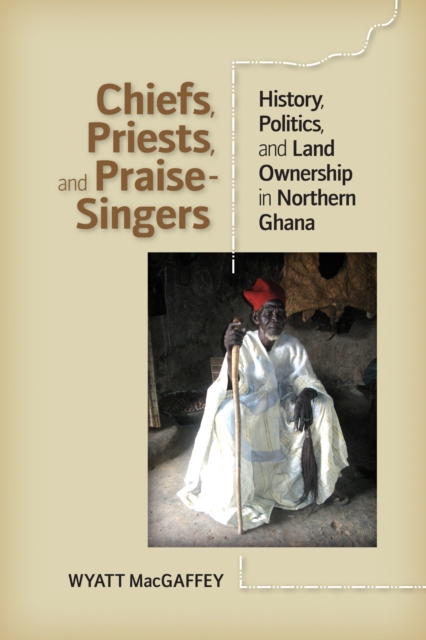
In his new book, the eminent anthropologist Wyatt MacGaffey provides an ethnographically enriched history of Dagbon from the fifteenth century to the present, setting that history in the context of the regional resources and political culture of northern Ghana.
The Republic of the Sudan was long the largest country in Africa and, according to the general consensus, also one of the least successful in many ways.
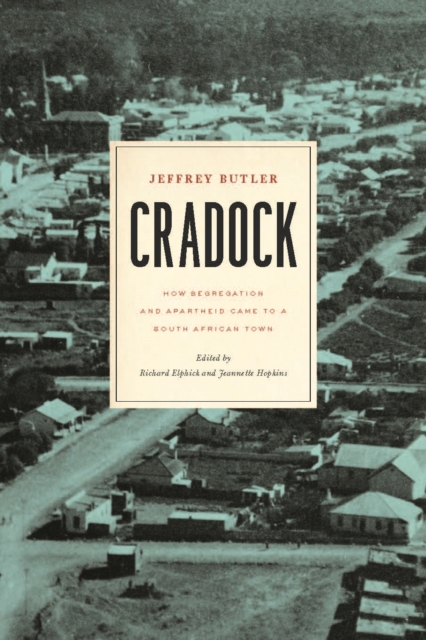
Cradock, the product of more than twenty years of research by Jeffrey Butler, is a vivid history of a middle-sized South African town in the years when segregation gradually emerged, preceding the rapid and rigorous implementation of apartheid.
Finalist for the Alan Paton AwardIn his latest book, renowned historian Hermann Giliomee challenges the conventional wisdom on the downfall of white rule and the end of apartheid.
The Historical Dictionary of Ancient and Medieval Nubia covers the period from the Paleolithic, all the periods of ancient Nubia (Predynastic, Kerma, Dynasty XXV, Napatan, Meroitic, Post-Meroitic) and to the end of medieval Christianity in Nubia (Sudan).
The effective and efficient management of water is a major problem, not just for economic growth and development in the Nile River basin, but also for the peaceful coexistence of the millions of people who live in the region.
Internal conflicts, dictatorship, and economic disintegration characterized the first twenty-five years of Uganda's independence from British colonial rule, which culminated in the reign of Idi Amin and a violent civil war.
In this holistic approach to the study of textiles and their makers, Colleen Kriger charts the role cotton has played in commercial, community, and labor settings in West Africa.
A Brookings Institution Press and World Peace Foundation publicationThe new South Africa, as well as the surrounding southern region, is finally free of apartheid and colonial rule.
Ideal for high school and undergraduate students, this addition to the Culture and Customs of Africa series examines the contemporary cultures and traditions of modern Gambia, from religious customs to literature to cuisine and much more.
This exhaustive exploration of the sociocultural, political, and economic roles of African women through history demonstrates how African women have shaped-and continue to shape-their societies.
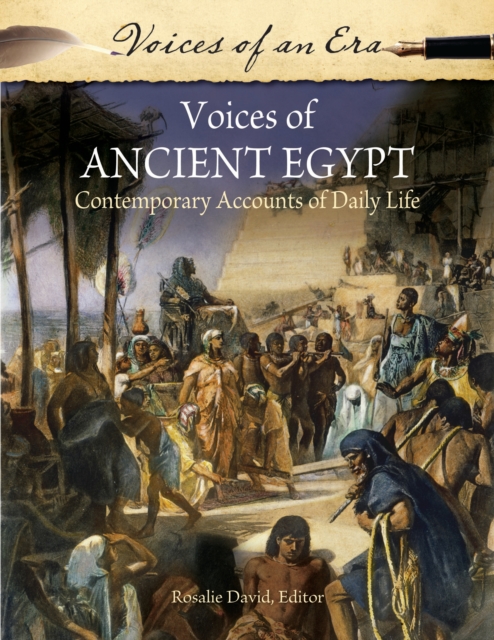
Supporting the current trends toward document-based teaching, this book introduces the reader to the multifaceted world of ancient Egypt through revealing excerpts from 51 texts written by Egyptians themselves.
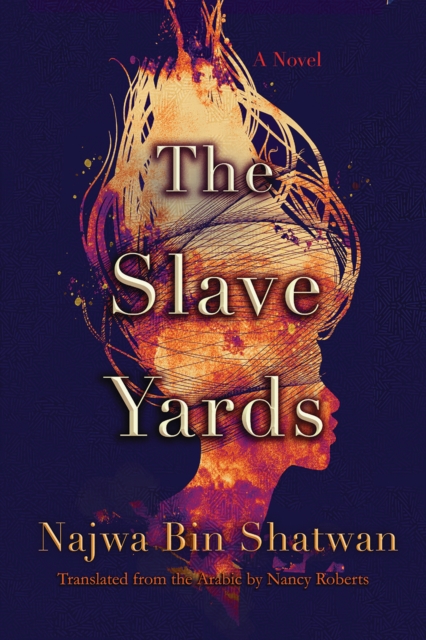
Set in late nineteenth-century Benghazi, Najwa Bin Shatwan's powerful novel tells the story of Atiqa, the daughter of a slave woman and her white master.
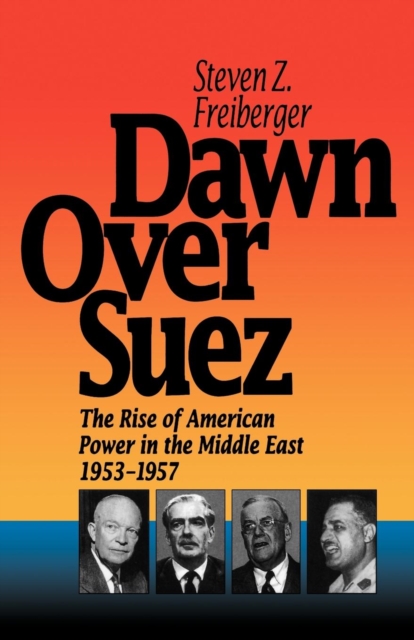
No event in post World War II diplomacy has been more written about than the Suez crisis of 1956-and for good reason: it signaled the fall of British power and influence in the Middle East.
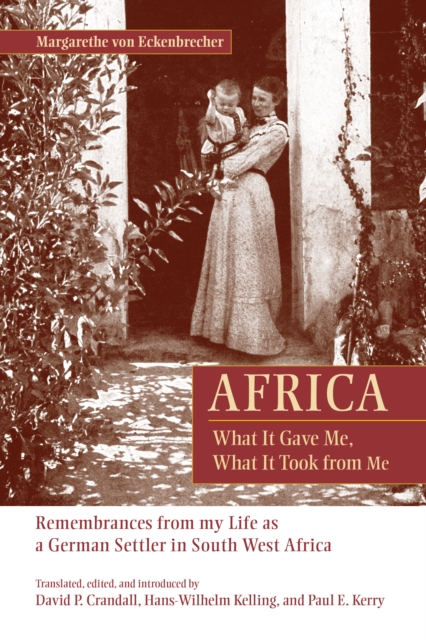
Africa: What It Gave Me, What It Took from Me is a memoir of an extraordinary woman who, as a newlywed, travelled with her husband to German South West Africa, a colony situated just above South African on the Atlantic coast.
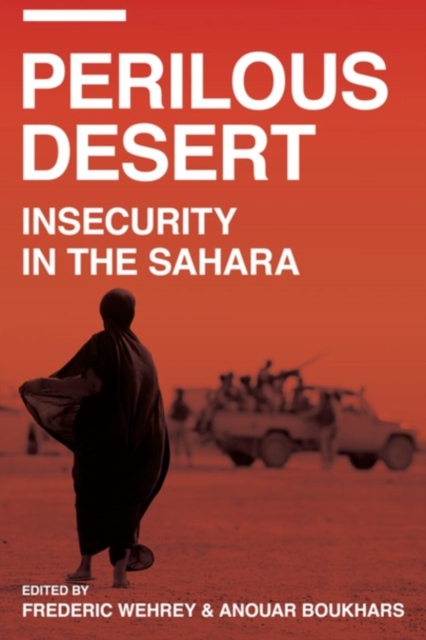
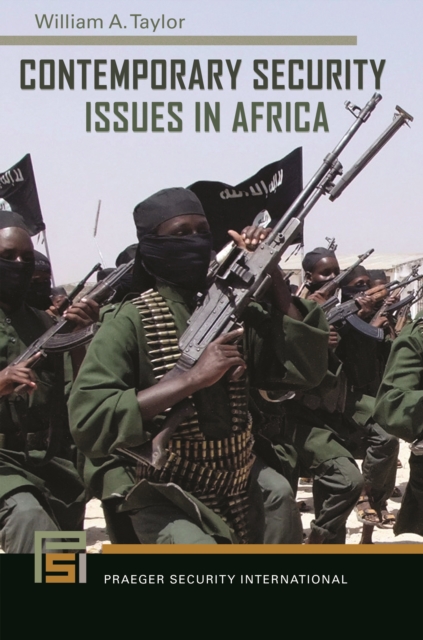
As a comprehensive resource for readers interested in contemporary security issues in Africa, this compelling book details the impact of complex challenges in Africa and explains why addressing them grows increasingly important.
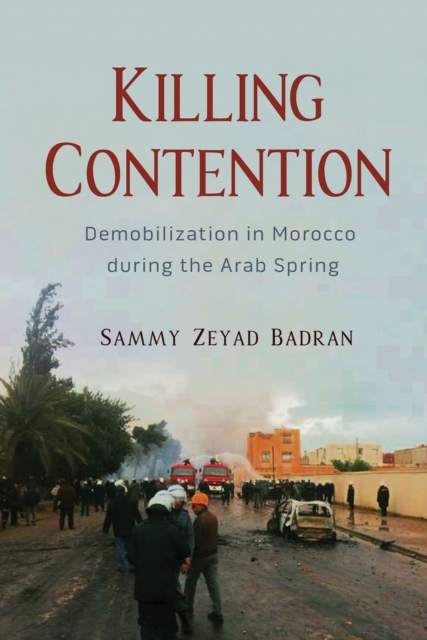
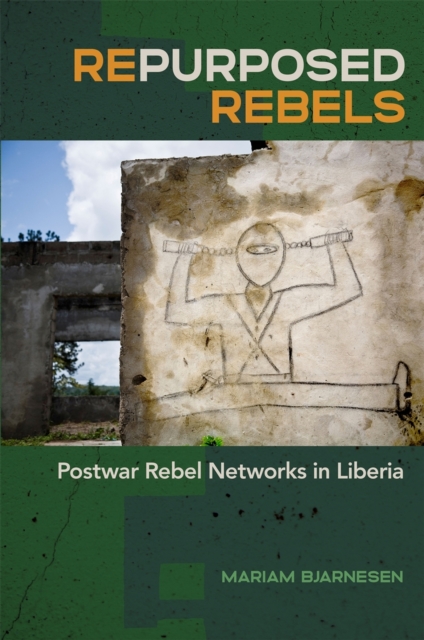
Despite peace agreements, demobilization, and reintegration processes, the end of war does not automatically or necessarily make combatants abandon their wartime rebel networks.
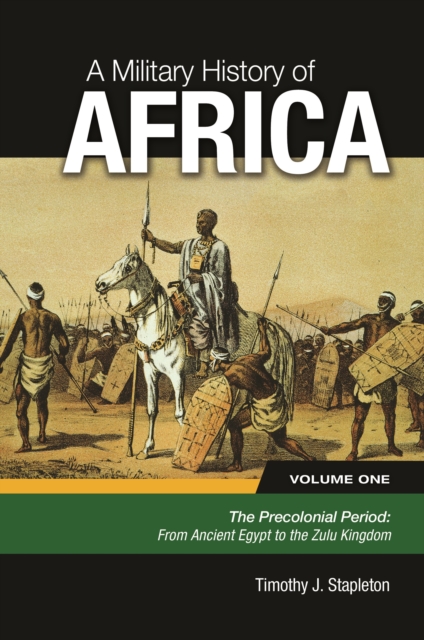
Two volumes introduce the history of colonial wars in Africa and illustrate why African countries like the Democratic Republic of Congo, Nigeria, Somalia, and Sudan continue to experience ethnic, political, and religious violence in the early 21st century.