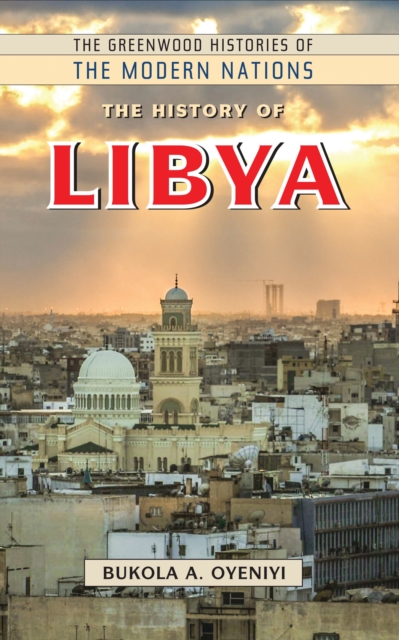
Covers Libyan history from the prehistoric period through the Phoenician, Roman, and Islamic/Ottoman periods to Italian colonization, independence, and the 2011 uprising and civil war.
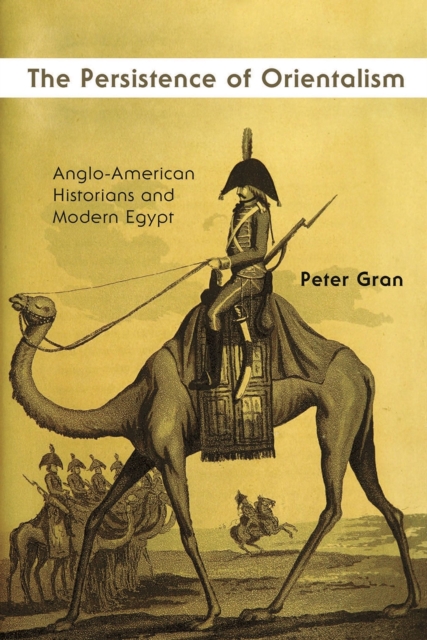
Why is the 1798 Napoleonic invasion of Egypt routinely accepted as a watershed moment between premodern and modern in general histories on the Middle East?
Two volumes introduce the history of colonial wars in Africa and illustrate why African countries like the Democratic Republic of Congo, Nigeria, Somalia, and Sudan continue to experience ethnic, political, and religious violence in the early 21st century.
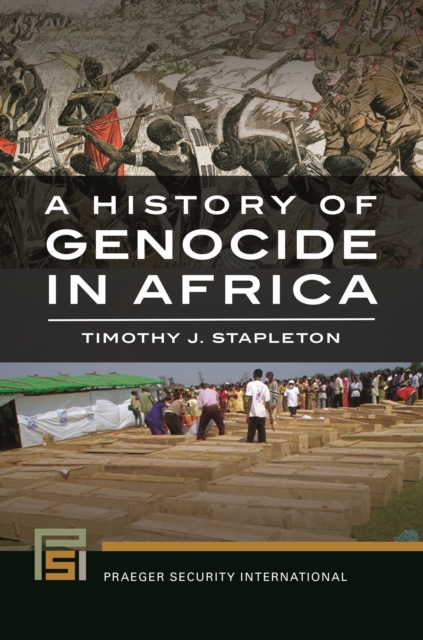
Based on a series of detailed case studies, this book presents the history of genocide in Africa within the specific context of African history, examining conflicts in countries such as Burundi, Democratic Republic of Congo, Namibia, Rwanda, and Sudan.
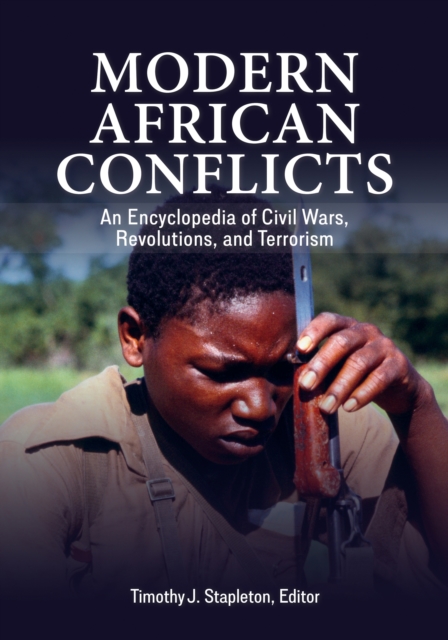
An essential resource for students or general readers interested in post-colonial Africa, this encyclopedia provides coverage of different regions, countries, wars, battles, factions, leaders, and foreign powers.
Written by leading experts in African studies, this broad introduction to Nigeria follows the history of the republic from the early period to the present day.
African political writing of the mid-20th century seeks to critically engage with questions of identity, history, and the state for the purpose of national and human liberation.
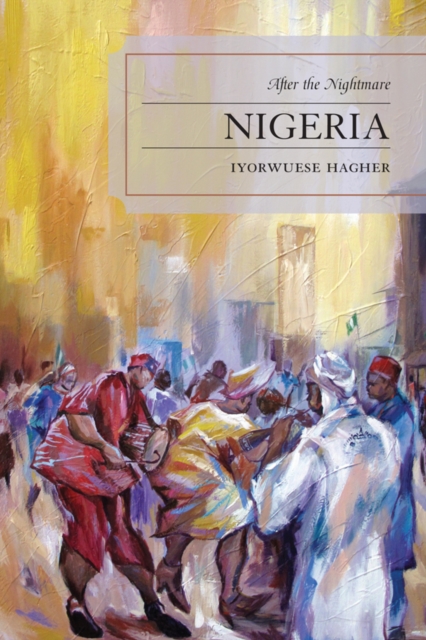
Nigeria: After the Nightmare is an in-depth look into the Nigerian experience, explaining what went wrong during the country's thirty years of dictatorship.
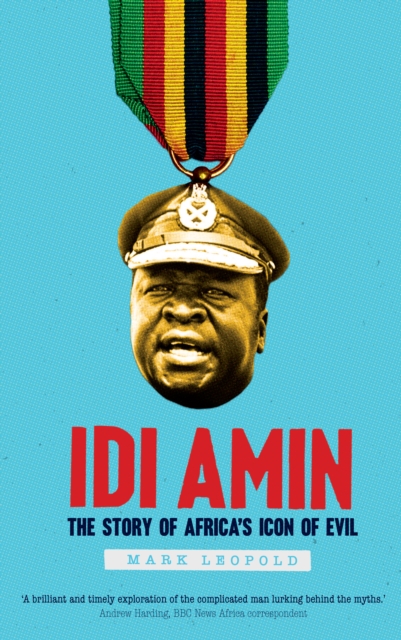
The first serious full-length biography of former Ugandan president Idi Amin, modern Africa's most famous dictator"e;A nuanced and sophisticated examination of one of the most misunderstood, and caricatured, figures in modern African history.
This book focuses on the Biafran humanitarian crisis of 1967-1970 which generated a surge of human rights anxieties and attracted the attention of world humanitarian organizations.
Internal conflicts, dictatorship, and economic disintegration characterized the first twenty-five years of Uganda's independence from British colonial rule, which culminated in the reign of Idi Amin and a violent civil war.
The effective and efficient management of water is a major problem, not just for economic growth and development in the Nile River basin, but also for the peaceful coexistence of the millions of people who live in the region.
The death by famine of tens of millions of human beings in Asia and Africa during the Victorian era (1837-1901) is "e;the secret history of the nineteenth century"e; about which Western history books contain nothing.
Using the Moyen Bani Programme as an example, External Assistance or External Interference gives an analysis of a grassroots conflict which, not foreseen at project design, lasted six years in Mali.
Conflict in the Horn of Africa examines how the Kenya-Somalia border problem has deep roots in pre-colonial and colonial times mirroring the phenomenon of shifting territorial and human frontiers and treaties which Britain, France, Italy, and Ethiopia made before and after World Wars I and II.
Technology Integration and Transformation of Elections in Africa serves as a standard textbook and a reference guide to students in both undergraduate and graduate programs in tertiary institutions where elaborate discourse on the impact of technology to political elections and advancements across the continental Africa have continued to gain weight.
"e;Animal Farm"e; Prophecy Fulfilled in Africa: A Call to a Values and Systems Revolution discusses why deep levels of poverty and suffering persist in Africa despite all the successive regime changes over the last half century.
Providing a valuable resource for readers seeking information on all periods of Egyptian history, this book covers Egypt starting from ancient times and continuing through the medieval Islamic period to focus on the events of the last 100 years, including the aborted revolution of 2011.
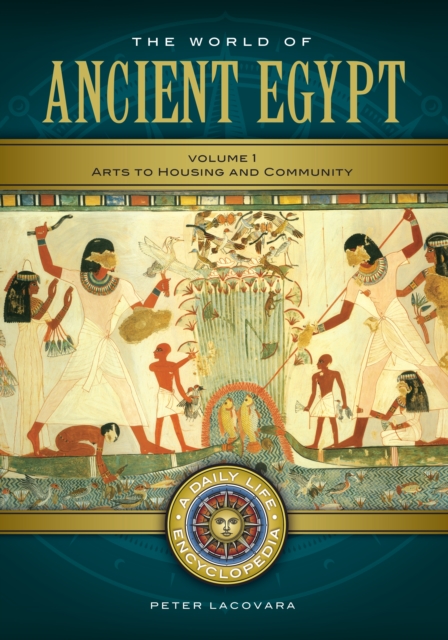
This absorbing reference covers everyday life in ancient Egypt, spanning a period of more than 5,000 years-from the Stone Age to the advent of Christianity.
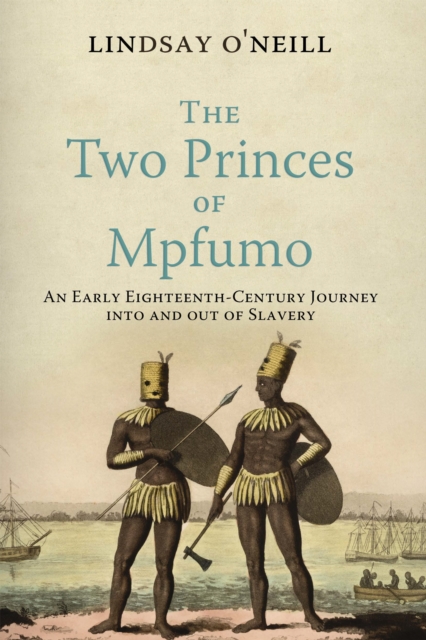
A fascinating account of two eighteenth-century princes from East Africa, their travels, and their encounters with the British Empire and slaveryIn 1716 two princes from Mpfumo-what is today Maputo, the capital of Mozambique-boarded a ship licensed by the East India Company bound for England.
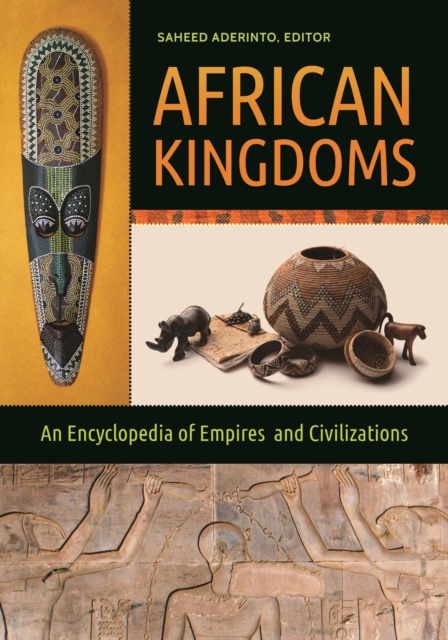
This history-rich volume details the sociopolitical, economic, and artistic aspects of African kingdoms from the earliest times to the second half of the 19th century.
African political writing of the mid-20th century seeks to critically engage with questions of identity, history, and the state for the purpose of national and human liberation.
A fascinating account of two eighteenth-century princes from East Africa, their travels, and their encounters with the British Empire and slaveryIn 1716 two princes from Mpfumo-what is today Maputo, the capital of Mozambique-boarded a ship licensed by the East India Company bound for England.
Written by leading experts in African studies, this broad introduction to Nigeria follows the history of the republic from the early period to the present day.
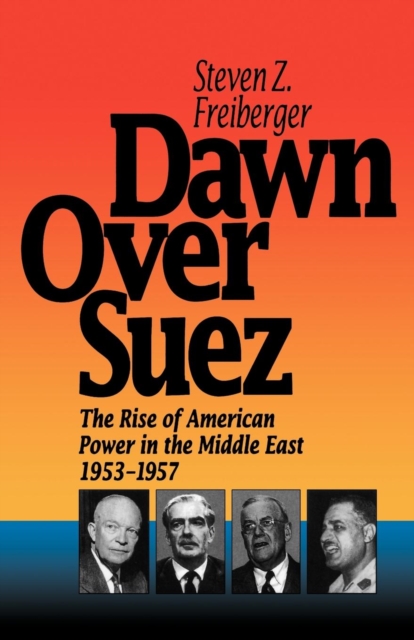
No event in post World War II diplomacy has been more written about than the Suez crisis of 1956-and for good reason: it signaled the fall of British power and influence in the Middle East.
African women's history is a vast topic that embraces a wide variety of societies in over 50 countries with different geographies, social customs, religions, and historical situations.
Blessed with natural beauty and rich vegetation, Rwanda is often called the "e;land of a thousand hills"e; (le pays des mille collines), a reference to its many lush and green rolling hills.
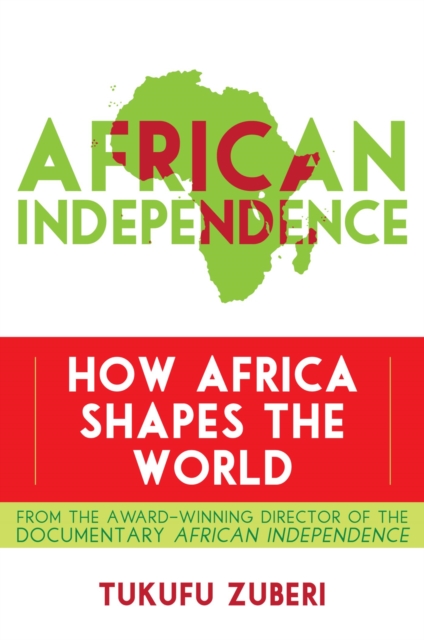
African Independence highlights the important role Africa has played in recent history and the significant role it will continue to play in the future of America and the globe.
Presenting a continent-wide comparative analysis of ethnic, political, and colonially based insurgencies, this text examines the causes, tactics, outcomes, and key individuals of African insurgent events and assesses a range of foreseeable outcomes in Africa's multiple regions of continuing political instability.
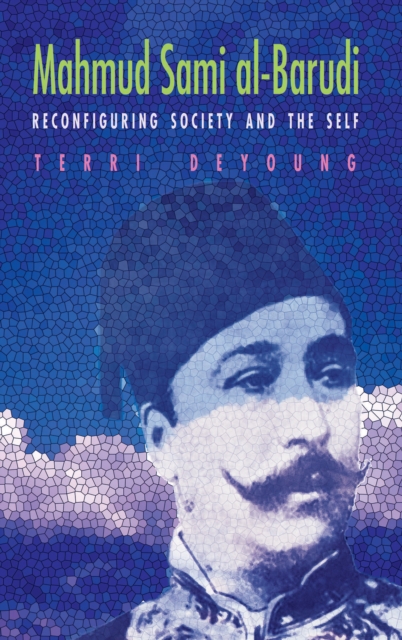
To explore the life of Mahmud Sami al-Barudi is to gain a nuanced perspective on the many facets-the perils and promises-of change in the rapidly modernizing Egypt of the nineteenth century.
An essential resource for students or general readers interested in post-colonial Africa, this encyclopedia provides coverage of different regions, countries, wars, battles, factions, leaders, and foreign powers.
African Independence highlights the important role Africa has played in recent history and the significant role it will continue to play in the future of America and the globe.
African nations have watched the recent civic dramas of the Arab Spring and Occupy Wall Street asking if they too will see similar civil society actions in their own countries.
Covers Libyan history from the prehistoric period through the Phoenician, Roman, and Islamic/Ottoman periods to Italian colonization, independence, and the 2011 uprising and civil war.