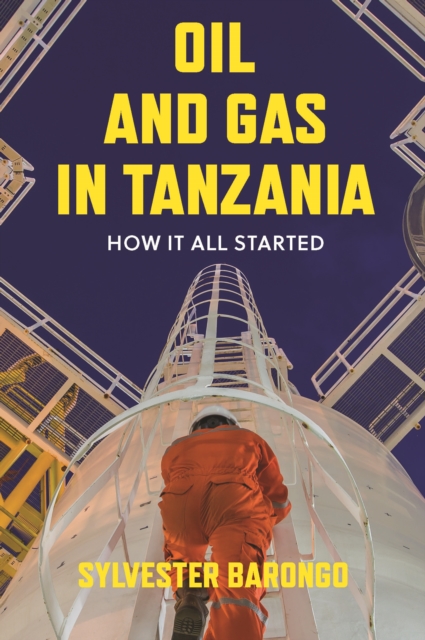
Meet the Founder ofTanzaniaPetroleum DevelopmentCorporation (TPDC) as he takes you on a journey through his careerintheoilandgassector, and how important events and warsintheindustry impactedTanzaniainthe 1970s.
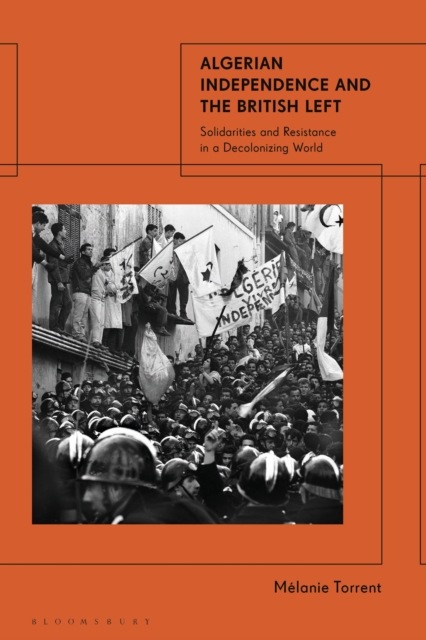
Based on archives from governments, parties, organisations and individuals, this book investigates the relationship between the British left and Algerian liberation movements during the Algerian War of Independence (1954-1962).
This book examines the contributions made by the governments, organisations and African people 'on the ground' throughout the continent towards the realisation of the South African dream in 1994.
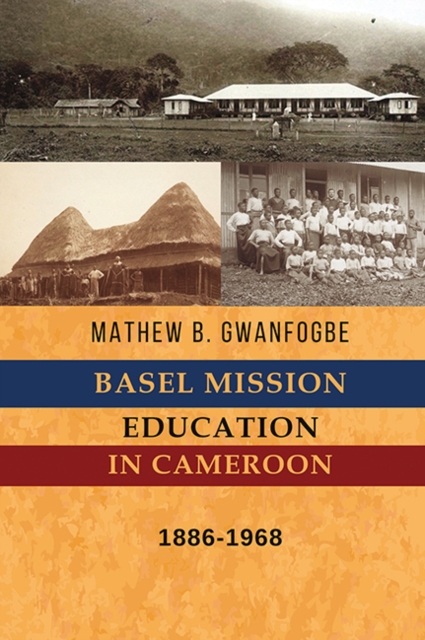
This volume examines the relationships between the German colonial administration, the Basel Mission, the British Baptist Missionary Society and other missionary societies that characterized the setting up of Basel Mission education in Cameroon against the backdrop of intense rivalry.
First published in 1956, Epitaph to Indirect Rule compares the old order of colonial government, represented by the Indirect Rule system, with the innovations of the more democratic administrative pattern introduced in the Eastern Region of Nigeria for the first time in 1950.
First published in 1967, International Nationalism discusses the Southern Rhodesian Nationalist Movement and explores how nationalists tried to combine internal with international pressure for self-government.
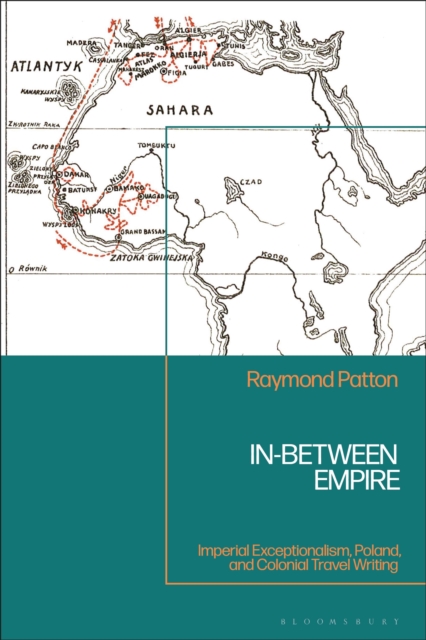
Exploring how Polish writers positioned themselves as neither colonized nor colonizers, In-Between Empire analyses their literary works on empire during the 19th and 20th centuries to explore how they negotiated their in-between position in the global imperial hierarchy.
The Central African Republic (CAR) joined the international community when it attained autonomy within the Communaute (French Community) on 1 December 1958.
The Central African Republic (CAR) joined the international community when it attained autonomy within the Communaute (French Community) on 1 December 1958.
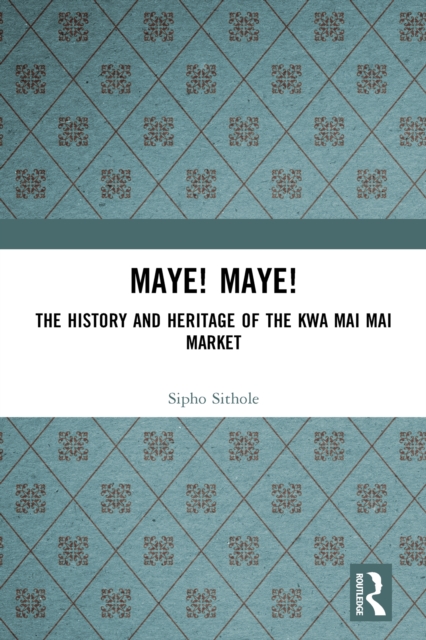
This book presents an analysis of Johannesburg's Kwa Mai Mai market, which was once known to regulars as 'a place of healing' and has experienced numerous changes of significant national transformation over time.
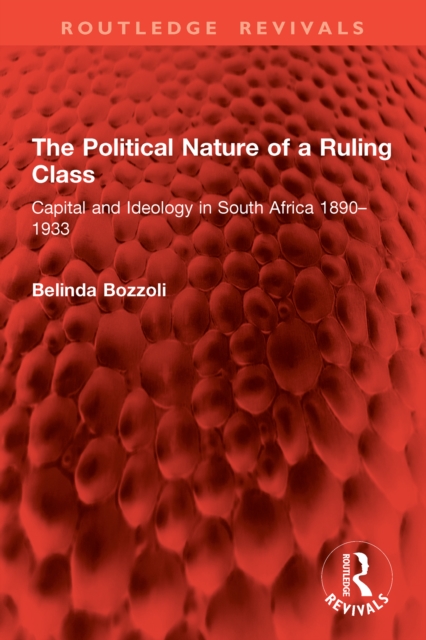
First published in 1981, The Political Nature of a Ruling Class is a study of the role played by the 'organic intellectuals', who were attached to the capitalist class in South Africa, in shaping the processes of state and class formation in the crucial decades when the foundations of modern South Africa were being laid.
Since the late 20th century, postcolonial Africa has faced various crises, from political and economic instability to public health and environmental emergencies, to inter-tribal conflicts.
This book presents an analysis of Johannesburg's Kwa Mai Mai market, which was once known to regulars as 'a place of healing' and has experienced numerous changes of significant national transformation over time.