This book examines a basic assumption behind most of the critical, progressive thinking of our times: that trade unions are necessarily tools for solidarity and are integral to a more equal and just society.
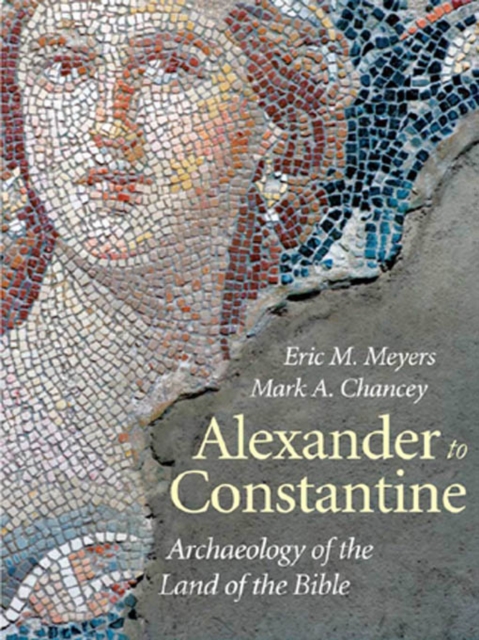
The definitive book on the archaeology of Palestine from Alexander the Great’s conquest to Constantine’s reign Drawing on the most recent, groundbreaking archaeological research, Eric M.
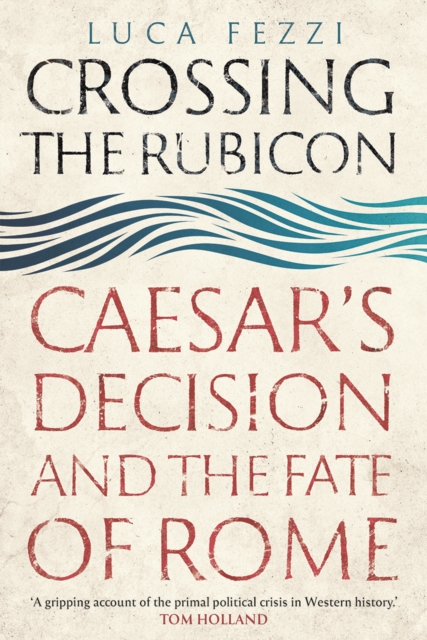
A dramatic account of the fateful year leading to the ultimate crisis of the Roman Republic and the rise of Caesar’s autocracy When the Senate ordered Julius Caesar, conqueror of Gaul, to disband his troops, he instead marched his soldiers across the Rubicon River, in violation of Roman law.
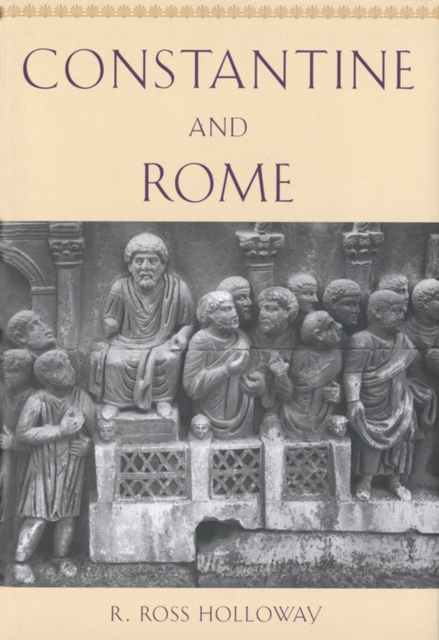
Constantine the Great (285–337) played a crucial role in mediating between the pagan, imperial past of the city of Rome, which he conquered in 312, and its future as a Christian capital.
As key nodes that connected ancient silk routes traversing China, Japan and India, trading hubs, towns and cities in Java and Sumatra and other places in Asia were key destination points for merchants, monks and other itinerants plying these routes.
A compelling evolutionary narrative that reveals how human civilization follows the same ecological rules that shape all life on Earth Offering a bold new understanding of who we are, where we came from, and where we are going, noted ecologist Mark Bertness argues that human beings and their civilization are the products of the same self'organization, evolutionary adaptation, and natural selection processes that have created all other life on Earth.
After the battle of Sedan on September 1, 1870 and the collapse of the Second Empire, followed by the investment of Paris, the Government of National Defense set about raising fresh armies.
In March 1945 the German Wehrmacht undertook its final attempt to change the course of the war by launching a counteroffensive in the area of Lake Balaton, Hungary.
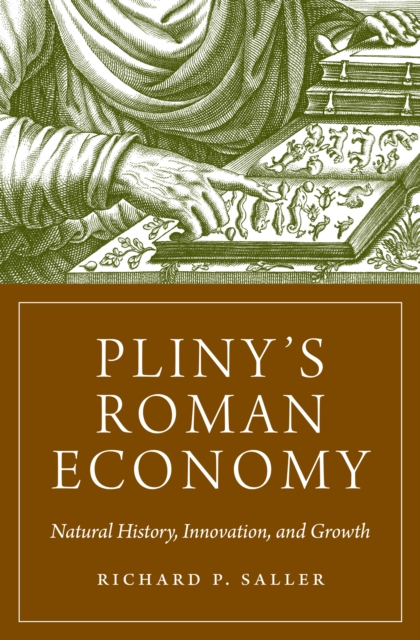
The first comprehensive study of Pliny the Elder's economic thought-and its implications for understanding the Roman Empire's constrained innovation and economic growthThe elder Pliny's Natural History (77 CE), an astonishing compilation of 20,000 "e;things worth knowing,"e; was avowedly intended to be a repository of ancient Mediterranean knowledge for the use of craftsmen and farmers, but this 37-book, 400,000-word work was too expensive, unwieldy, and impractically organized to be of utilitarian value.
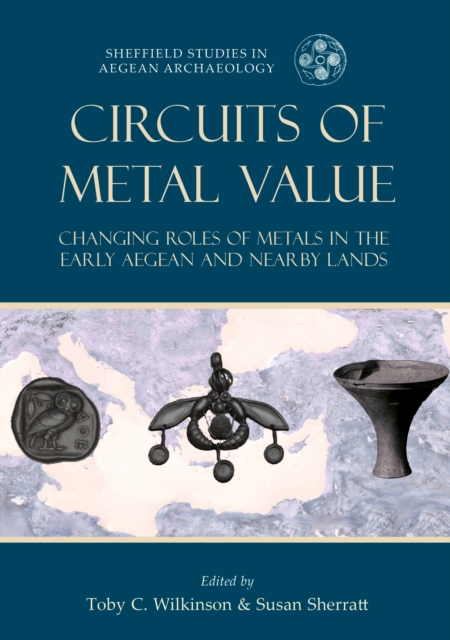
This volume explores the part played by different metals in use from the fourth millennium BC to the Early Iron Age, not only in the Aegean but also in the wider Old World.
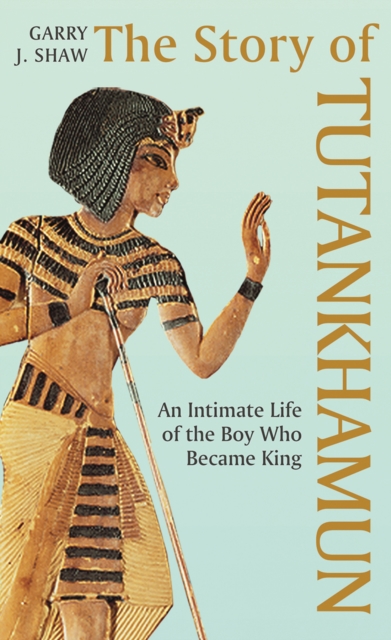
A lively new biography of Tutankhamun-published for the hundredth anniversary of his tomb's modern discovery The discovery of Tutankhamun's tomb in 1922 sparked imaginations across the globe.
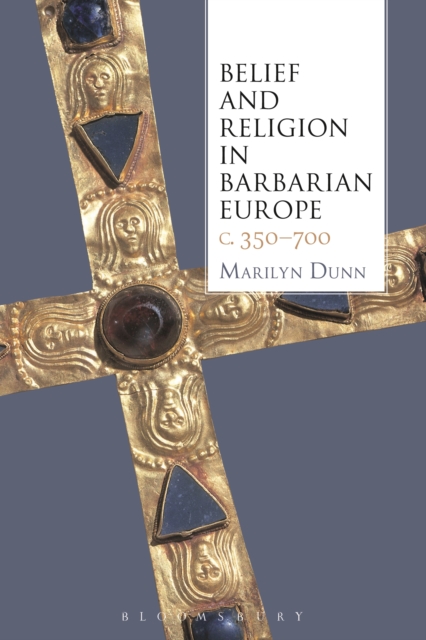
This ground-breaking study offers a new paradigm for understanding the beliefs and religions of the Goths, Burgundians, Sueves, Franks and Lombards as they converted from paganism to Christianity between c.
Groundbreaking research that utilizes archaeological discoveries and ancient texts to revolutionize our understanding of the beginnings of Judaism "e;A bravura study.
This volume brings together 29 junior and senior scholars to discuss aspects of Hesiod's poetry and its milieu and to explore questions of reception over two and half millennia from shortly after the poems' conception to Twitter hashtags.
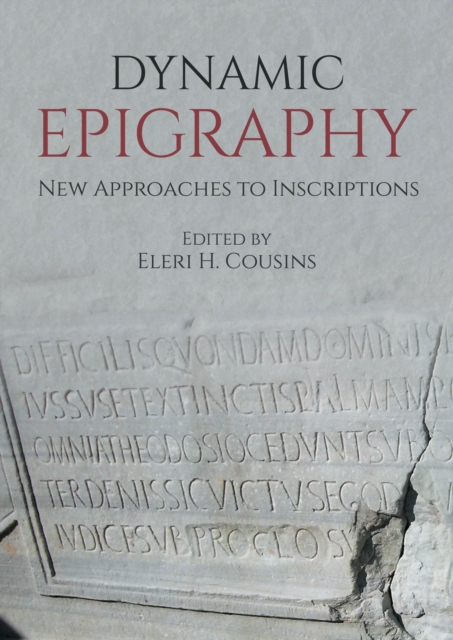
This volume, with origins in a panel at the 2018 Celtic Conference in Classics, presents creative new approaches to epigraphic material, in an attempt to 'shake up' how we deal with inscriptions.
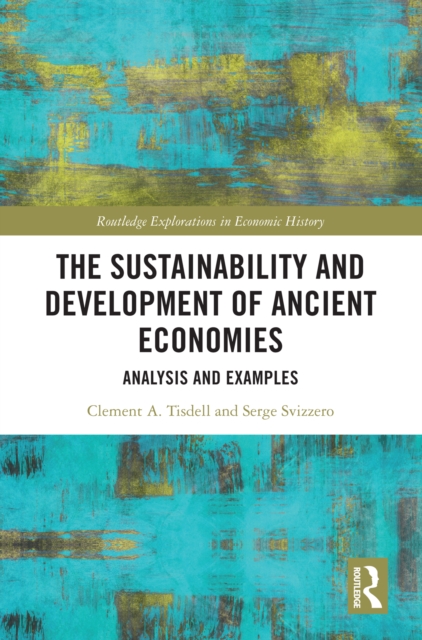
Drawing on modern economic theory, this book provides new insights into the economic development of ancient economies and the sustainability of their development.
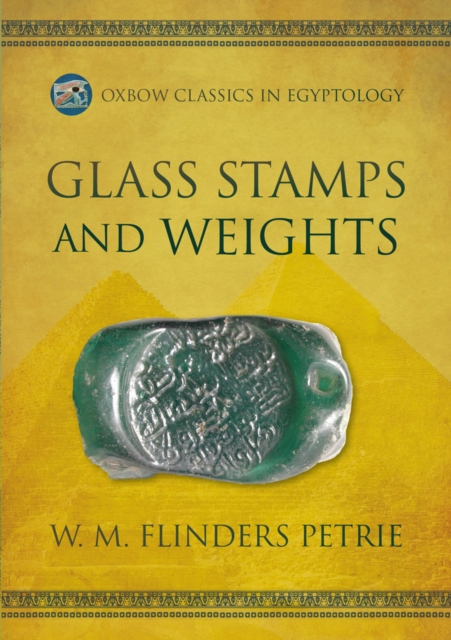
Facsimile of volume of detailed catalog prepared by Flinders Petrie on artifacts largely collected from his Egyptian explorations of a series of glass stamps of Egyptian manufacture that were used from the Roman to Abbasid period variously as tokens, counters, weights, or attached to glass cups as indications of measure.
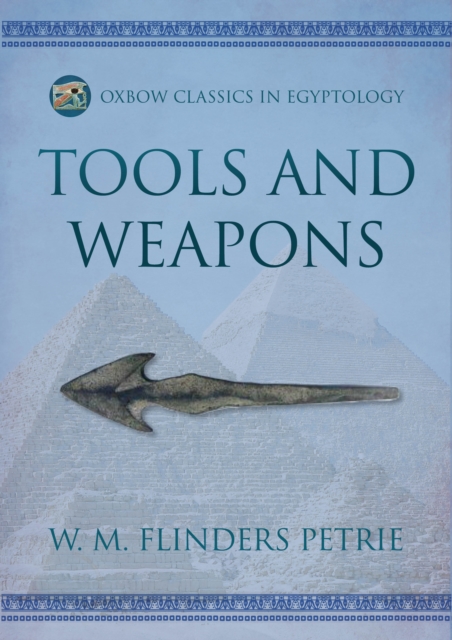
Facsimile edition of the 1974 reissue of Flinders Petrie’s 1917 pioneering typological catalog of Egyptian metal, wooden and composite tools and weapons, one of a number of such catalogs to be reissued in this new series.