This volume describes the meteorology of the Stoic philosopher Posidonius from the existing fragments, and discusses his relation to earlier thinkers on this subject, as well as the methods he used to obtain information about and to find explanations of meteorological phenomena.
This volume describes the meteorology of the Stoic philosopher Posidonius from the existing fragments, and discusses his relation to earlier thinkers on this subject, as well as the methods he used to obtain information about and to find explanations of meteorological phenomena.
The Hadrian’s Wall Community Archaeology Project (WallCAP) was funded by the National Lottery Heritage Fund to promote the value of heritage – specifically of the Hadrian’s Wall World Heritage Site – to local communities and provide opportunities for volunteers to engage with the archaeology and conservation of the Wall to better ensure the future of the monument.
Just six miles from the center of Belfast, County Down, on the plateau of Ballynahatty above the River Lagan, is one of Ireland’s great Neolithic henge monuments: the 200 m wide Giant’s Ring.
Cyrus the Great was a celebrity of the ancient world, the founder of one of the first world empires in the ancient Near East, whose life and deeds were celebrated through the many stories told about him, then and for millennia.
Cyrus the Great was a celebrity of the ancient world, the founder of one of the first world empires in the ancient Near East, whose life and deeds were celebrated through the many stories told about him, then and for millennia.
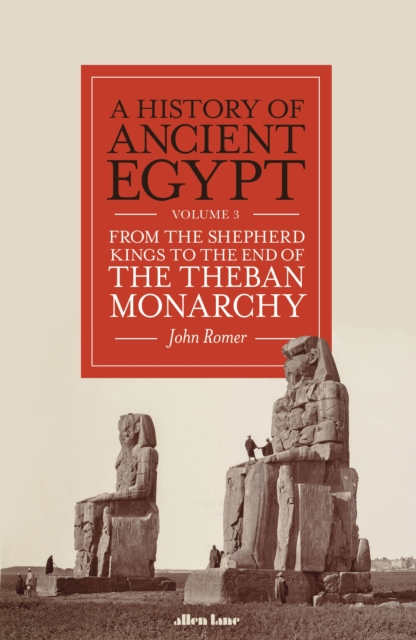
The final chapter in the definitive, three-volume history of the world's first known stateArchaeologist John Romer has spent a lifetime chronicling the history of Ancient Egypt, and here he tells the epic story of an era dominated by titans of the popular imagination: the radical iconoclast Akhenaten, the boy-king Tutankhamun and the all-conquering Ramesses II.
The papers presented here explore in various ways the interactions between clerics and the society in which Christian churches put down roots in Late Antiquity.
The Hadrian’s Wall Community Archaeology Project (WallCAP) was funded by the National Lottery Heritage Fund to promote the value of heritage – specifically of the Hadrian’s Wall World Heritage Site – to local communities and provide opportunities for volunteers to engage with the archaeology and conservation of the Wall to better ensure the future of the monument.
Just six miles from the center of Belfast, County Down, on the plateau of Ballynahatty above the River Lagan, is one of Ireland’s great Neolithic henge monuments: the 200 m wide Giant’s Ring.
The papers presented here explore in various ways the interactions between clerics and the society in which Christian churches put down roots in Late Antiquity.
The present collection of studies by Andrzej Poppe in many ways represents a continuation of the research brought together a quarter century ago in the author's previous Variorum volume.
Very Short Introductions: Brilliant, Sharp, Inspiring Ancient Greece is often considered to be the birthplace of science and medicine, and the explanation of natural phenomena without recourse to supernatural causes.
The present collection of studies by Andrzej Poppe in many ways represents a continuation of the research brought together a quarter century ago in the author's previous Variorum volume.
Byzantium and Venice: 1204-1453, a selection of articles by the late Julian Chrysostomides, focuses on Byzantium after the Fourth Crusade and its relationship with Venice, particularly in the late Palaeologan period.
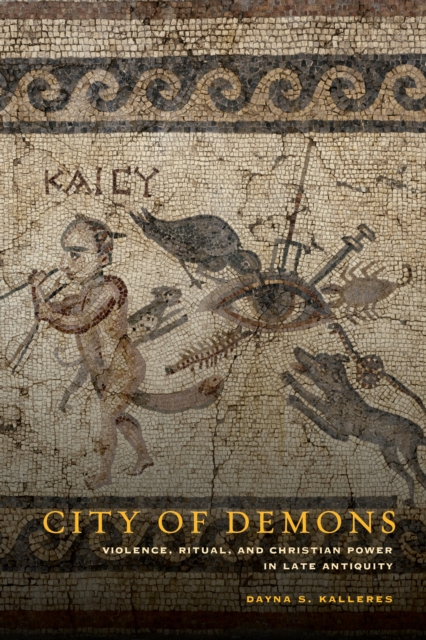
Although it would appear in studies of late antique ecclesiastical authority and power that scholars have covered everything, an important aspect of the urban bishop has long been neglected: his role as demonologist and exorcist.
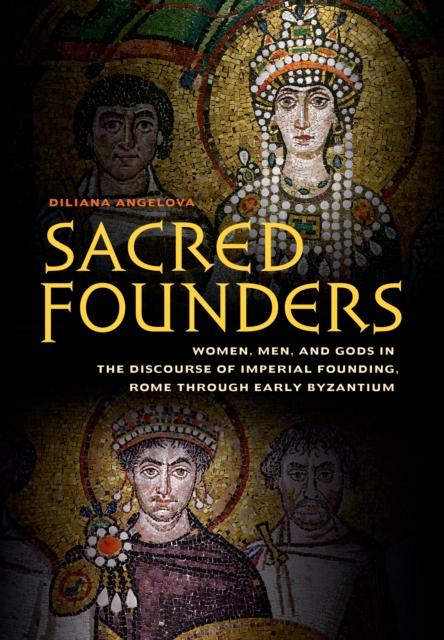
Diliana Angelova argues that from the time of Augustus through early Byzantium, a discourse of ';sacred founders'articulated in artwork, literature, imperial honors, and the built environmenthelped legitimize the authority of the emperor and his family.
Christian communities flourished during late antiquity in a Zoroastrian political system, known as the Iranian Empire, that integrated culturally and geographically disparate territories from Arabia to Afghanistan into its institutions and networks.
Bringing together an international team of historians, classicists, and scholars of religion, this volume provides the first comprehensive overview of the extant Greek and Latin letter collections of late antiquity (ca.
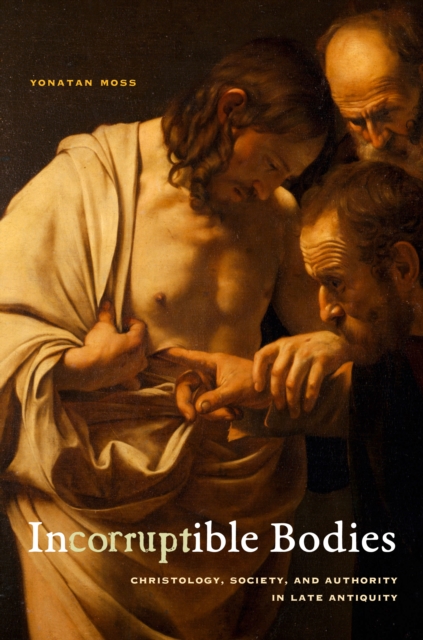
In the early sixth-century eastern Roman empire, anti-Chalcedonian leaders Severus of Antioch and Julian of Halicarnassus debated the nature of Jesuss body: Was it corruptible prior to its resurrection from the dead?
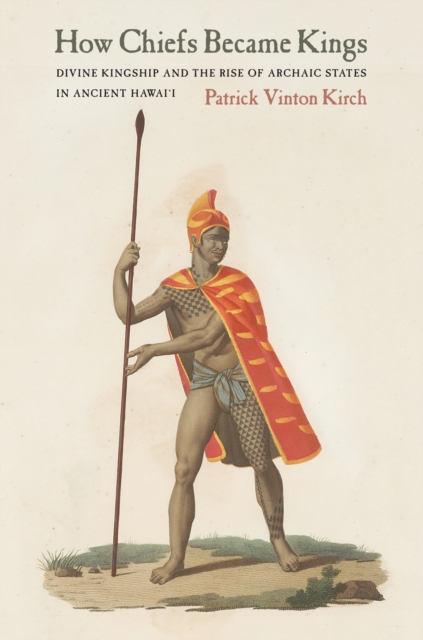
In How Chiefs Became Kings, Patrick Vinton Kirch addresses a central problem in anthropological archaeology: the emergence of "e;archaic states"e; whose distinctive feature was divine kingship.
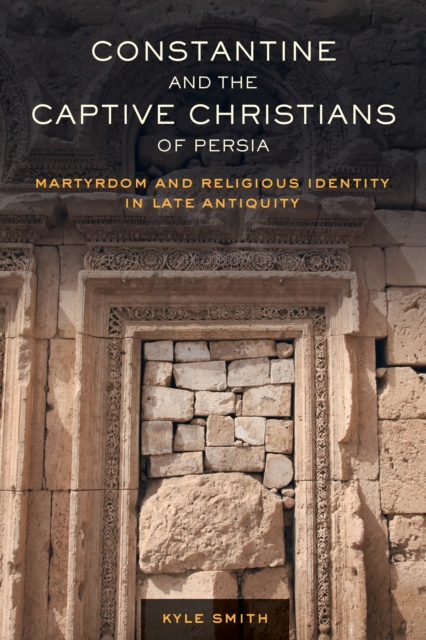
It is widely believed that the Emperor Constantine's conversion to Christianity politicized religious allegiances, dividing the Christian Roman Empire from the Zoroastrian Sasanian Empire and leading to the persecution of Christians in Persia.
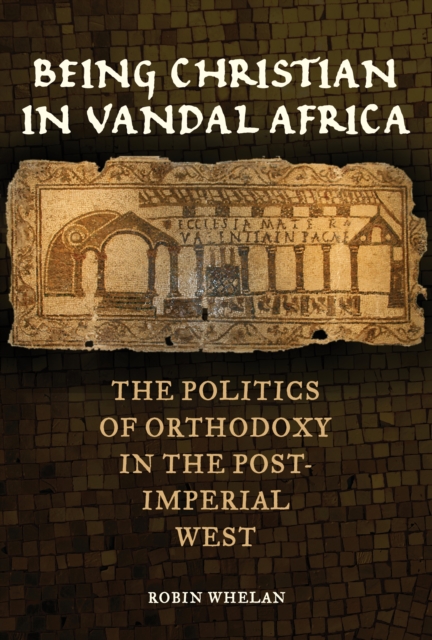
Being Christian in Vandal Africainvestigates conflicts over Christian orthodoxy in the Vandal kingdom, the successor to Roman rule in North Africa, ca.
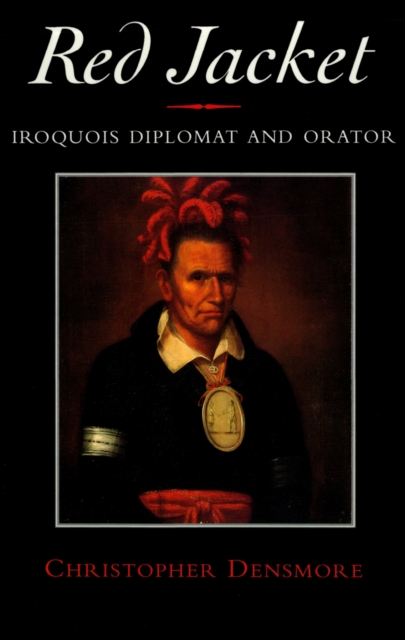
In the first modern biography of Red jacket, Christopher Densmore sheds light on the achievements of this formidable Iroquois diplomat who, as a representative of the Seneca and Six Nations, met and negotiated with American presidents from George Washington to Andrew Jackson.
Islandology is a fast-paced, fact-filled comparative essay in critical topography and cultural geography that cuts across different cultures and argues for a world of islands.
A gripping and groundbreaking history of how ancient cultures developed and used biological, chemical, and other unconventional weapons of warFlamethrowers, poison gases, incendiary bombs, the large-scale spreading of disease: are these terrifying agents of warfare modern inventions?