The twenty-one studies assembled in this volume focus on the apparatus and practitioners of religions in the western Roman empire, the enclaves, temples, altars and monuments that served the cults of a wide range of divinities through the medium of priests and worshippers.
The twenty-one studies assembled in this volume focus on the apparatus and practitioners of religions in the western Roman empire, the enclaves, temples, altars and monuments that served the cults of a wide range of divinities through the medium of priests and worshippers.
Theodor Birts Buch 'Die bekanntesten Geschichten, Biografien & Sagen aus der Zeit des Altertums' ist eine faszinierende Sammlung von Erzählungen aus der antiken Welt.
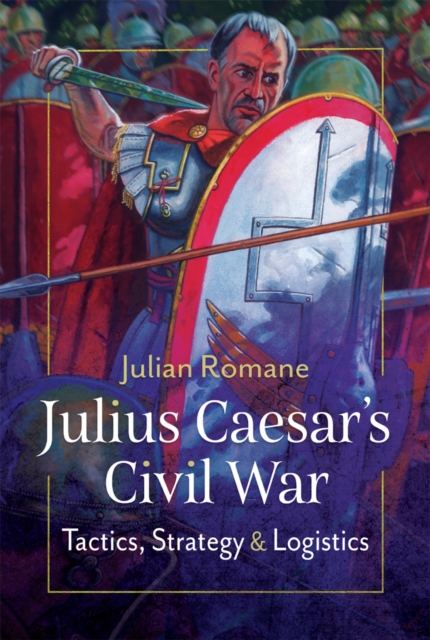
Julian Romane examines the campaigns of Julius Caesar throughout the civil wars that followed his famous crossing of the Rubicon, through to the defeat of the final Pompeian diehards at the battle of Munda.
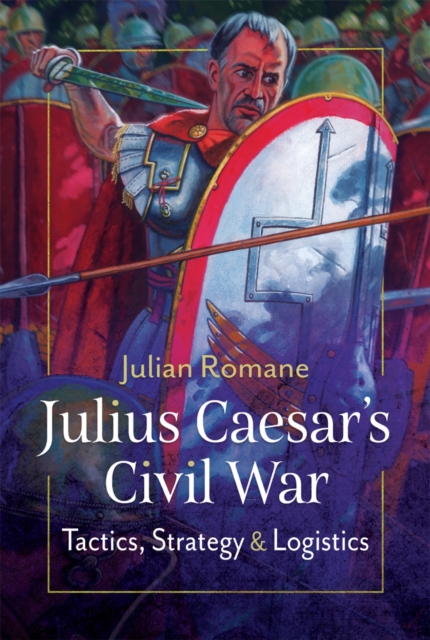
Julian Romane examines the campaigns of Julius Caesar throughout the civil wars that followed his famous crossing of the Rubicon, through to the defeat of the final Pompeian diehards at the battle of Munda.
The papers presented here explore in various ways the interactions between clerics and the society in which Christian churches put down roots in Late Antiquity.
The papers presented here explore in various ways the interactions between clerics and the society in which Christian churches put down roots in Late Antiquity.
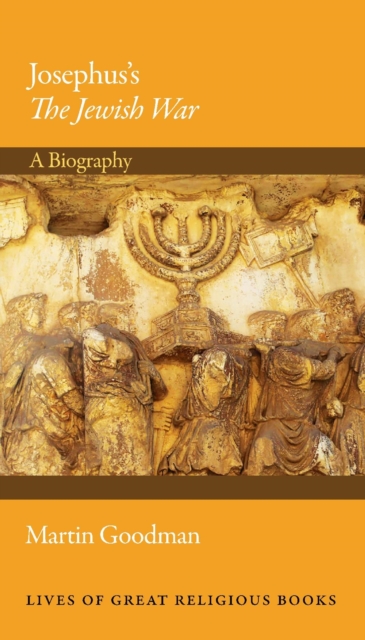
An essential introduction to Josephus's momentous war narrativeThe Jewish War is Josephus's superbly evocative account of the Jewish revolt against Rome, which was crushed in 70 CE with the siege of Jerusalem and the destruction of the Temple.
This award-winning biography delves beyond the myths about Ancient Rome's most famous assassin: "e;A beautifully written and thought-provoking book"e; (Christopher Pelling, author of Plutarch and History).
This inquiry into the collective psychology of the ancient Romans speaks not about military conquest, sober law, and practical politics, but about extremes of despair, desire, and envy.
In the generation after Constantine the Great elevated Christianity to a dominant position in the Roman Empire, his nephew, the Emperor Julian, sought to reinstate the old gods to their former place of prominencein the face of intense opposition from the newly powerful Christian church.
"e;Many of my ardent admirers would be roundly shocked and disturbed if they realized that everything I believe is thoroughly moral, thoroughly Catholic, and that it is these beliefs that give my work its chief characteristics.
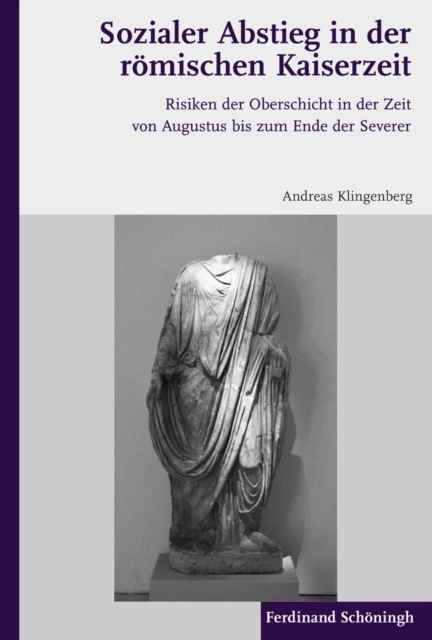
Der römische Geschichtsschreiber Tacitus stellte einst zu seinem Bedauern fest, dass er bei der Darstellung der Frühen Kaiserzeit immer wieder auf den Niedergang einzelner Mitglieder eingehen musste.
Given the intense competition among aristocrats seeking public office in the middle and late Roman Republic, one would expect that their persistent struggles for honor, glory, and power could have seriously undermined the state or damaged the cohesiveness of the ruling class.
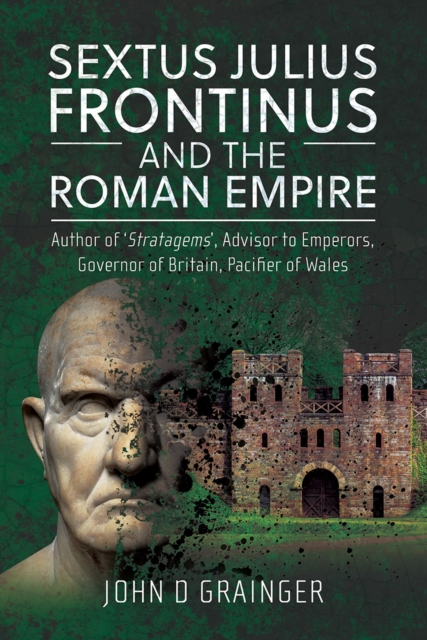
Sextus Iulius Frontinus is best known as author of the military handbook Strategems but, in addition to writing this and other works (now lost), he also had a varied and surprisingly influential career in military and civil posts around the Roman Empire.
At its very center, The Cultivation of Character and Culture in Roman Rhetorical Education: The Available Means is a study of the subtle, organic ways that rhetoric can work to cultivate a particular character.
First published in 1949, Ancient Roman Religion is an introduction to some of the most outstanding features of the complicated religion, or rather series of religions, which flourished in Rome between the earliest recoverable ages of her long history and the close of the classical epoch.
At its very center, The Cultivation of Character and Culture in Roman Rhetorical Education: The Available Means is a study of the subtle, organic ways that rhetoric can work to cultivate a particular character.
First published in 1949, Ancient Roman Religion is an introduction to some of the most outstanding features of the complicated religion, or rather series of religions, which flourished in Rome between the earliest recoverable ages of her long history and the close of the classical epoch.
Stories about brothers were central to Romans' public and poetic myth making, to their experience of family life, and to their ideas about intimacy among men.
Latin epics such as Virgil's Aeneid, Lucan's Civil War, and Statius's Thebaid addressed Roman aristocrats whose dealings in gifts, favors, and payments defined their conceptions of social order.
In Masculinity and Dress in Roman Antiquity, Olson argues that clothing functioned as part of the process of communication by which elite male influence, masculinity, and sexuality were made known and acknowledged, and furthermore that these concepts interconnected in socially significant ways.
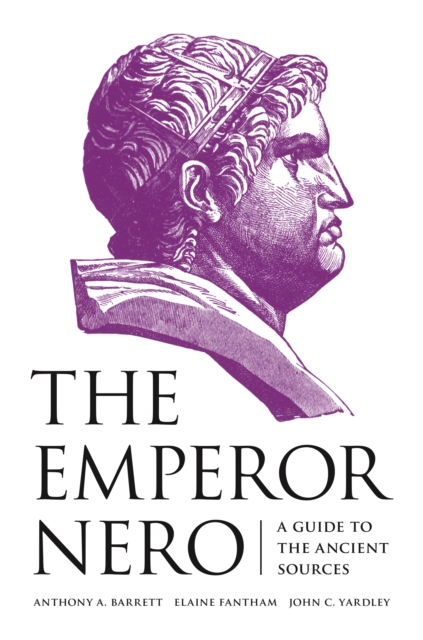
Nero's reign (AD 54-68) witnessed some of the most memorable events in Roman history, such as the rebellion of Boudica and the first persecution of the Christians-not to mention Nero's murder of his mother, his tyranny and extravagance, and his suicide, which plunged the empire into civil war.