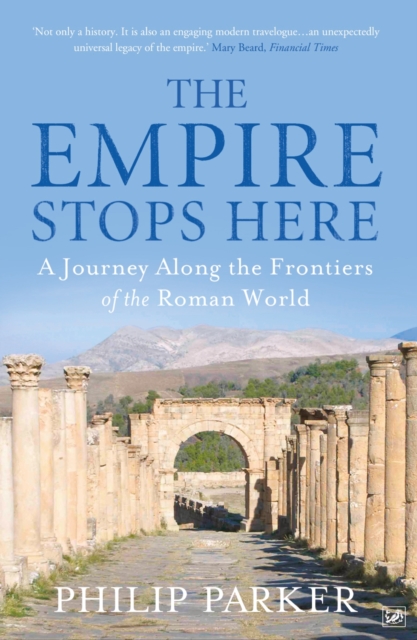
The purpose of this book is to take what we think we know about the Roman Conquest of Britain from historical sources, and compare it with the archaeological evidence, which is often contradictory.
The purpose of this book is to take what we think we know about the Roman Conquest of Britain from historical sources, and compare it with the archaeological evidence, which is often contradictory.
Plutarch's Lives is one of the most influential works of classical literature, shaping how generations have understood leadership, character, and moral responsibility.
Journey through the different phases of Rome's development, from its early days as a Kingdom, through its dynamic period as a Republic, and finally into its expansive era as an Empire in this fascinating history of Ancient Rome.
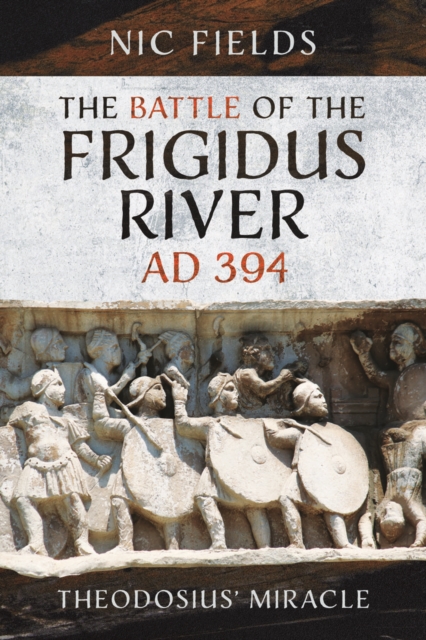
Nic Fields draws on detailed knowledge of available sources and his own visits to the battlefield to set the battle within the context of its political situation and religious impact upon history.
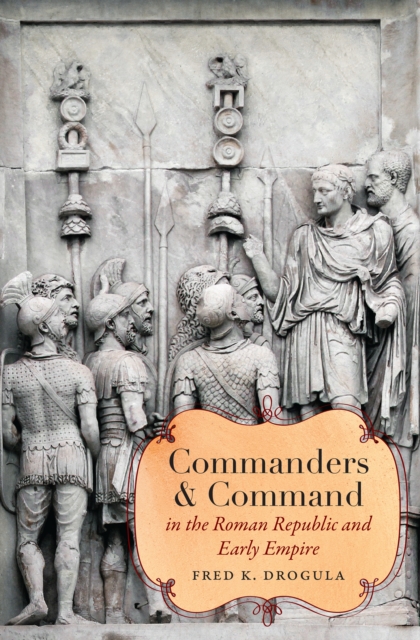
In this work, Fred Drogula studies the development of Roman provincial command using the terms and concepts of the Romans themselves as reference points.
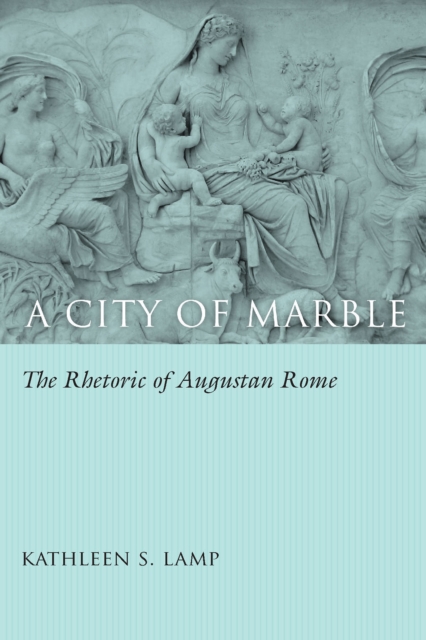
In A City of Marble, Kathleen Lamp argues that classical rhetorical theory shaped the Augustan cultural campaigns and that in turn the Augustan cultural campaigns functioned rhetorically to help Augustus gain and maintain power and to influence civic identity and participation in the Roman Principate (27 b.
In this fascinating collection of texts, Julius Caesar and his time come alive, as ancient writers vividly portray his rise to power, the stunning assassination itself, and the after effects which changed the Mediterranean world.
Bringing the story of Julius Caesar to life in vivid detail, this fascinating history offers a compelling account of a Roman leader whose name has become synonymous with power, strategy, and ambition.
This book is a study of the fourth-century sophist Libanius, a major intellectual figure who ran one of the most prestigious schools of rhetoric in the later Roman Empire.
From his influence on economics and governance to his pivotal role in popularising Christianity, this is a compelling exploration of the transformative reign of Constantine the Great, Roman Emperor from 306 to 337 AD.
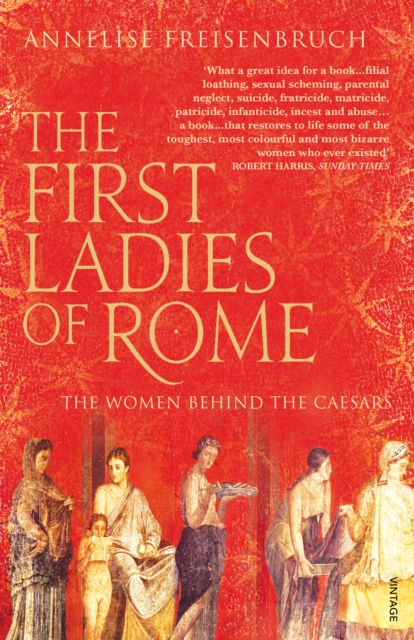
Like their modern counterparts, the 'first ladies' of Rome were moulded to meet the political requirements of their emperors, be they fathers, husbands, brothers or lovers.
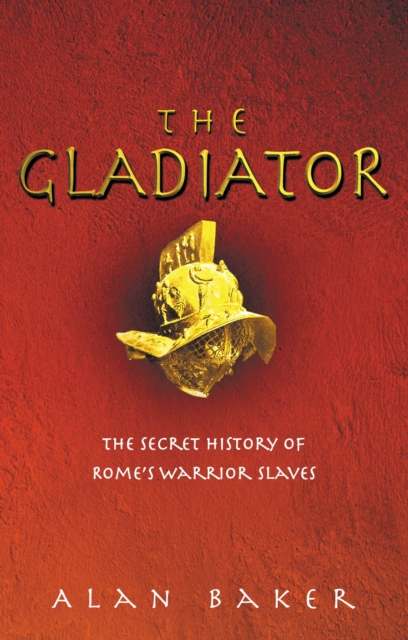
Alan Baker weaves an extraordinary, vivid picture of Roman life as his compelling and evocative history tells the story of Rome's most notable gladiators.
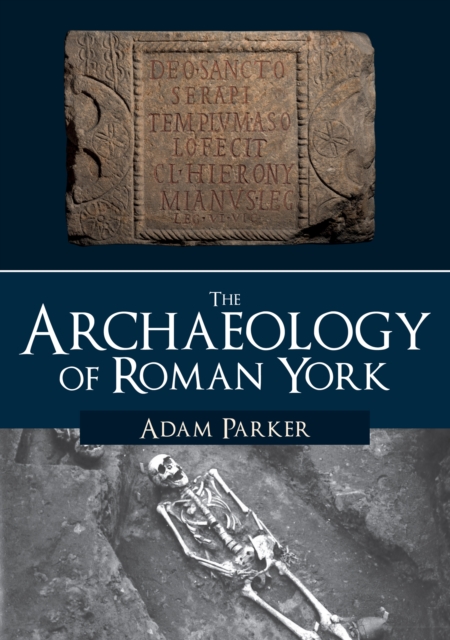
When soldiers of the Roman 9th Legion arrived in AD 70, they built a fortress and this huge military camp formed the foundation of the modern city of York.
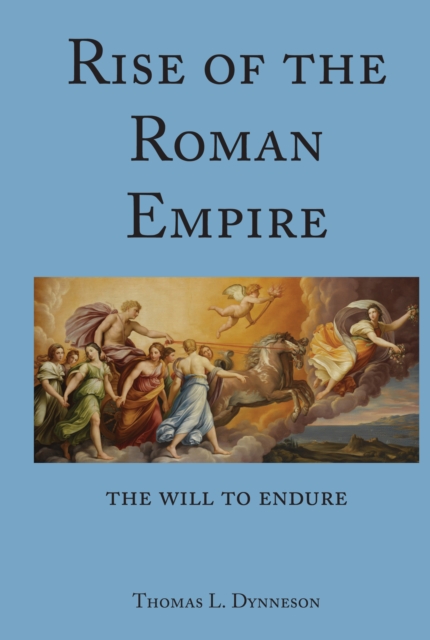
Rome's transition from a republican system of government to an imperial regime comprised more than a century of civil upheaval and rapid institutional change.
Dieses eBook: "Über die Epochen der neueren Geschichte" ist mit einem detaillierten und dynamischen Inhaltsverzeichnis versehen und wurde sorgfältig korrekturgelesen.
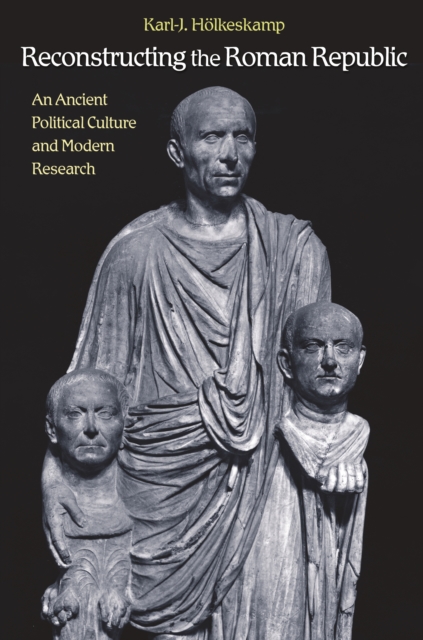
In recent decades, scholars have argued that the Roman Republic's political culture was essentially democratic in nature, stressing the central role of the 'sovereign' people and their assemblies.
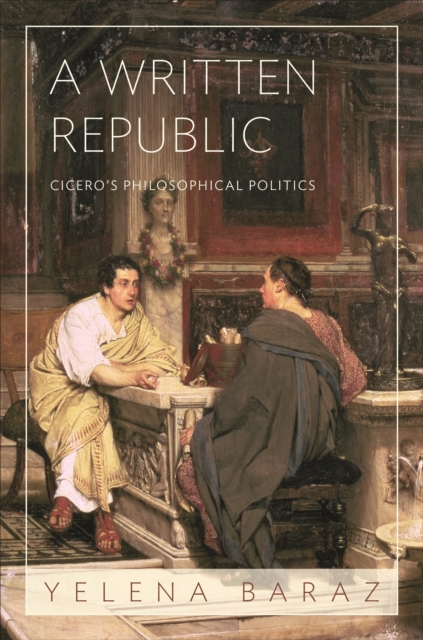
In the 40s BCE, during his forced retirement from politics under Caesar's dictatorship, Cicero turned to philosophy, producing a massive and important body of work.
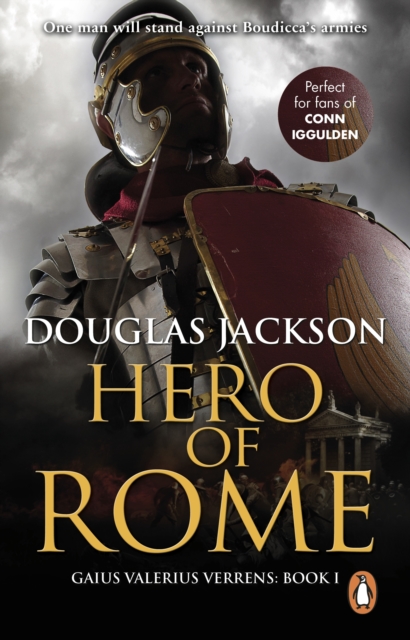
Perfect for fans of Simon Scarrow and Ben Kane, this heart-stopping historical thriller from bestselling author Douglas Jackson will have you on the edge of your seat!
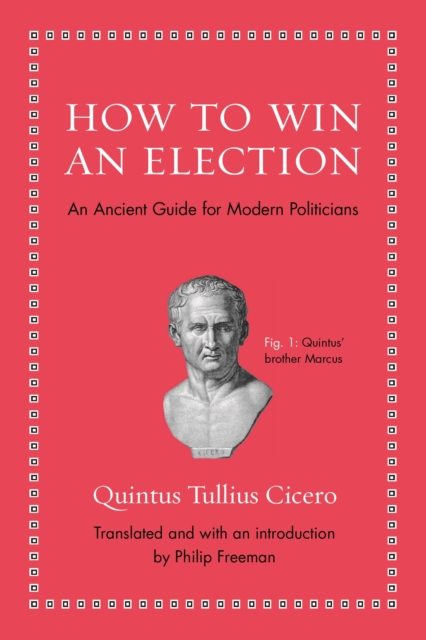
A primer on campaigning in ancient Rome that reads like a strategy memo from a modern political consultantHow to Win an Election is an ancient Roman guide for campaigning that is as up-to-date as tomorrow's headlines.
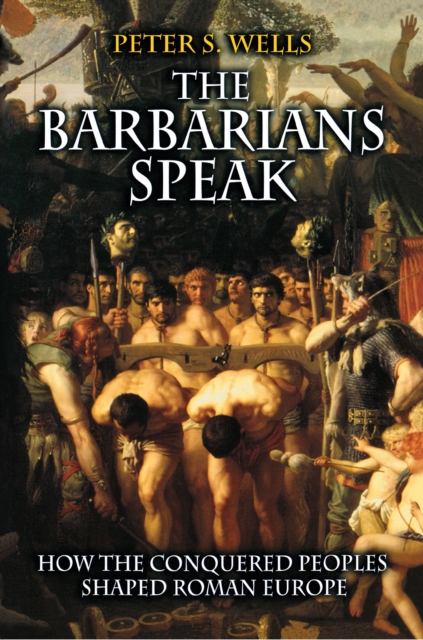
The Barbarians Speak re-creates the story of Europe's indigenous people who were nearly stricken from historical memory even as they adopted and transformed aspects of Roman culture.
In recent decades, scholars have argued that the Roman Republic's political culture was essentially democratic in nature, stressing the central role of the 'sovereign' people and their assemblies.
From the Renaissance to today, the idea that the Roman Republic lasted more than 450 years--persisting unbroken from the late sixth century to the mid-first century BC--has profoundly shaped how Roman history is understood, how the ultimate failure of Roman republicanism is explained, and how republicanism itself is defined.
This book is a study of the fourth-century sophist Libanius, a major intellectual figure who ran one of the most prestigious schools of rhetoric in the later Roman Empire.
Stories about brothers were central to Romans' public and poetic myth making, to their experience of family life, and to their ideas about intimacy among men.