When Roman troops threatened to seize the wealth of the Iceni people, their queen, Boudica, retaliated by inciting a major uprising, allying her tribe with the neighbouring Trinovantes.
When Roman troops threatened to seize the wealth of the Iceni people, their queen, Boudica, retaliated by inciting a major uprising, allying her tribe with the neighbouring Trinovantes.
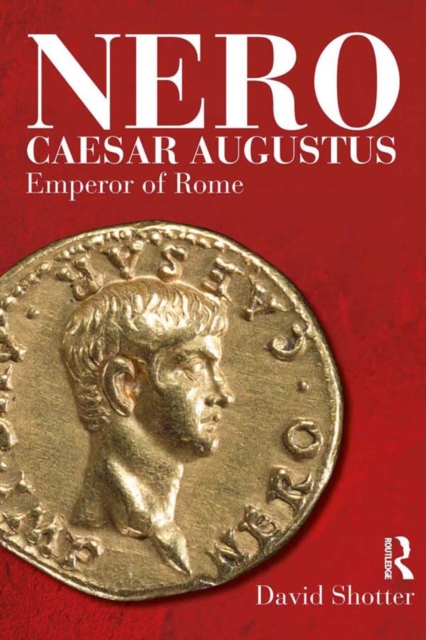
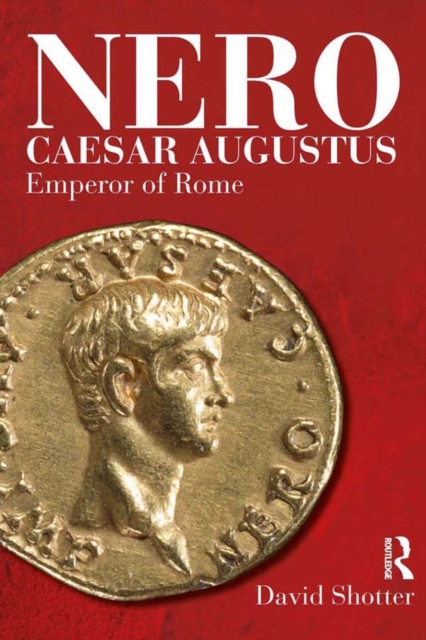
Propelled to power by the age of 17 by an ambitious mother, self-indulgent to the point of criminality, inadequate, paranoid and the perpetrator of heinous crimes including matricide and fratricide, and deposed and killed by 31, Nero is one of Rome's most infamous Emperors.
Propelled to power by the age of 17 by an ambitious mother, self-indulgent to the point of criminality, inadequate, paranoid and the perpetrator of heinous crimes including matricide and fratricide, and deposed and killed by 31, Nero is one of Rome's most infamous Emperors.
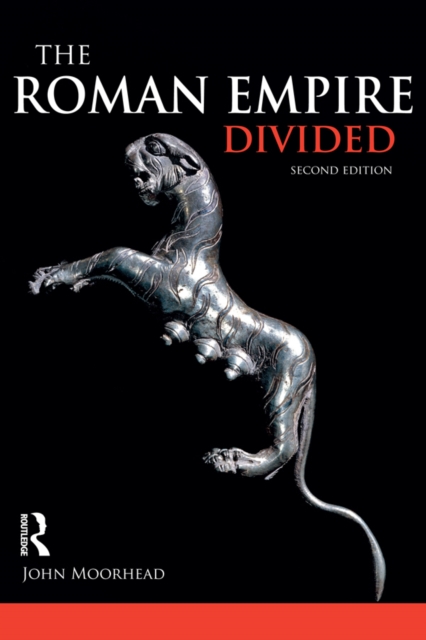
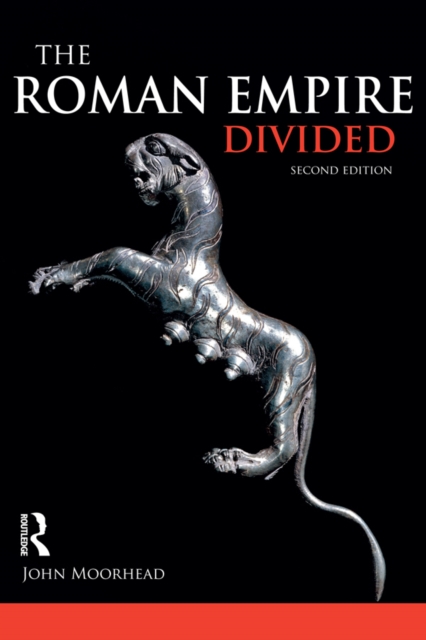
In 400 the mighty Roman Empire was almost as large as it had ever been; within three centuries, advances by Germanic peoples in western Europe, Slavs in eastern Europe and Arabs around the eastern and southern shores of the Mediterranean had brought about the loss of most of its territory.
In 400 the mighty Roman Empire was almost as large as it had ever been; within three centuries, advances by Germanic peoples in western Europe, Slavs in eastern Europe and Arabs around the eastern and southern shores of the Mediterranean had brought about the loss of most of its territory.
The Sacred Identity of Ephesos offers a full-length interpretation of one of the largest known bequests in the Classical world, made to the city of Ephesos in AD 104 by a wealthy Roman equestrian, and challenges some of the basic assumptions made about the significance of the Greek cultural renaissance known as the 'Second Sophistic'.
The Sacred Identity of Ephesos offers a full-length interpretation of one of the largest known bequests in the Classical world, made to the city of Ephesos in AD 104 by a wealthy Roman equestrian, and challenges some of the basic assumptions made about the significance of the Greek cultural renaissance known as the 'Second Sophistic'.
Rome and the Friendly King, first published in 1984, offers a functional definition of what is usually called client kingship - to show what a client king (or 'friendly king', to use the Roman term) was in practice.
Rome and the Friendly King, first published in 1984, offers a functional definition of what is usually called client kingship - to show what a client king (or 'friendly king', to use the Roman term) was in practice.
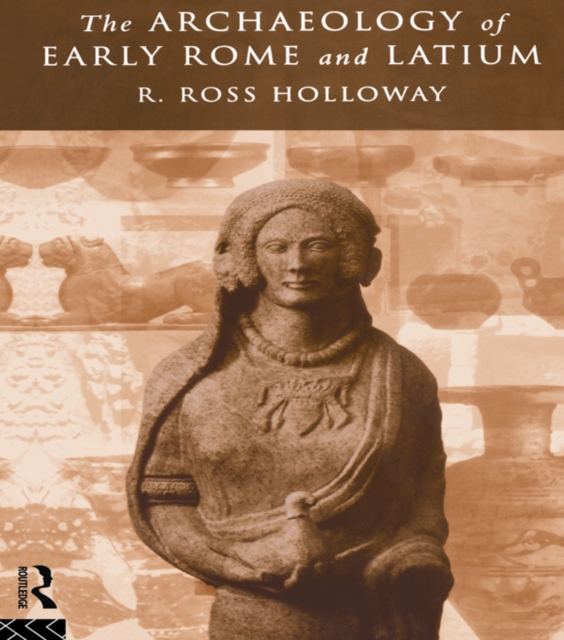
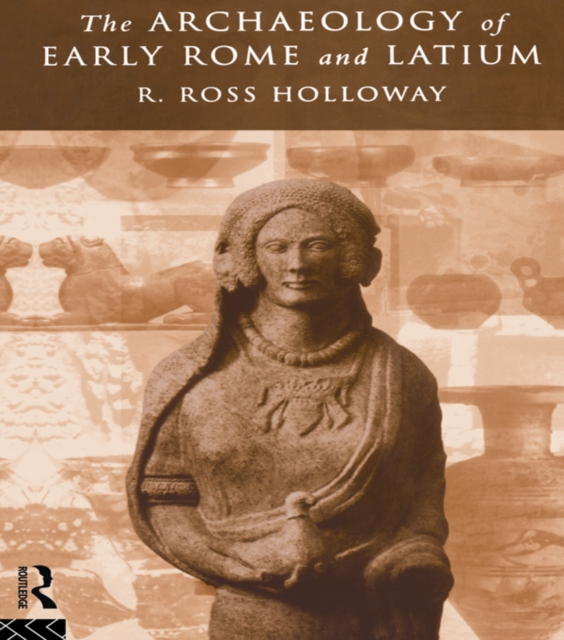
The archaeology of early Rome has progressed rapidly and dramatically over the last century; most recently with the discovery of the shrine of Aeneas at Lavinium and the reports of the walls of the Romulan city discovered on the city slopes of the Palatine Hill.
The archaeology of early Rome has progressed rapidly and dramatically over the last century; most recently with the discovery of the shrine of Aeneas at Lavinium and the reports of the walls of the Romulan city discovered on the city slopes of the Palatine Hill.
Later Roman Britain, first published in 1980, charts the end of Roman rule in Britain and gives an overall impression of the beginning of the so-called 'Dark Ages' of British history, the transitional period which saw the breakdown of Roman administration and the beginnings of Saxon settlement.
Later Roman Britain, first published in 1980, charts the end of Roman rule in Britain and gives an overall impression of the beginning of the so-called 'Dark Ages' of British history, the transitional period which saw the breakdown of Roman administration and the beginnings of Saxon settlement.
The Roman Mother, first published in 1988, traces the traditional Roman attitude towards mothers to its republican origins, examining the diverse roles and the relative power and influence associated with motherhood.
The Roman Mother, first published in 1988, traces the traditional Roman attitude towards mothers to its republican origins, examining the diverse roles and the relative power and influence associated with motherhood.
In Pannonia and Upper Moesia, first published 1974, Andras Mocsy surveys the Middle Danube Provinces from the latest pre-Roman Iron Age up to the beginning of the Great Migrations.
In Pannonia and Upper Moesia, first published 1974, Andras Mocsy surveys the Middle Danube Provinces from the latest pre-Roman Iron Age up to the beginning of the Great Migrations.
The Coming of Rome, first published in 1979, examines some basic features of Roman Britain: the cities, the towns, and the monuments of an urban culture.
The Coming of Rome, first published in 1979, examines some basic features of Roman Britain: the cities, the towns, and the monuments of an urban culture.
This study, first published in 1969, presents an astute and authoritative depiction of the cultural, religious and secular developments which shook the Roman world in the late 3rd and early 4th centuries AD, much of it under the auspices of the Emperor, Constantine the Great.
This study, first published in 1969, presents an astute and authoritative depiction of the cultural, religious and secular developments which shook the Roman world in the late 3rd and early 4th centuries AD, much of it under the auspices of the Emperor, Constantine the Great.
Roman Stoicism, first published in 1911, offers an authoritative introduction to this fascinating chapter in the history of Western philosophy, which throughout the 20th century has been rediscovered and rehabilitated among philosophers, theologians and intellectual historians.
Roman Stoicism, first published in 1911, offers an authoritative introduction to this fascinating chapter in the history of Western philosophy, which throughout the 20th century has been rediscovered and rehabilitated among philosophers, theologians and intellectual historians.
Julian: An Intellectual Biography, first published in 1981, presents a penetrating and scholarly analysis of Julian's intellectual development against the background of philosophy and religion in the late Roman Empire.
Julian: An Intellectual Biography, first published in 1981, presents a penetrating and scholarly analysis of Julian's intellectual development against the background of philosophy and religion in the late Roman Empire.
Roman Britain, first published in 1972, gives the young reader a vivid impression of the British Isles immediately preceding, during and after the Roman occupation, which lasted for 400 years.
Roman Britain, first published in 1972, gives the young reader a vivid impression of the British Isles immediately preceding, during and after the Roman occupation, which lasted for 400 years.