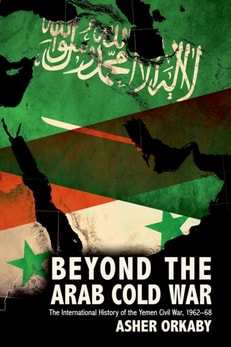
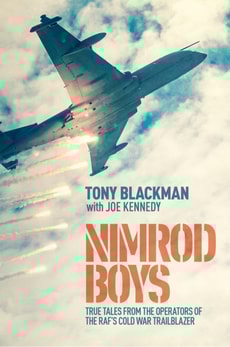
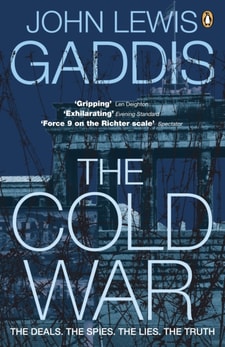
The Cold War was a period of intense political rivalry, in which diplomacy and international relations in Asia and the Middle East acquired huge global significance.
The Soviet invasion of Afghanistan, in support of a Marxist-Leninist government, and the subsequent nine-year conflict with the indigenous Afghan Mujahedeen was one of the bloodiest conflicts of the Cold War.
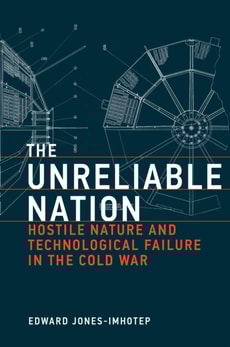
Shortlisted for the PEN Hessell-Tiltman Prize 2022Longlisted for the 2021 National Book Award for NonfictionThe Cold War was not just a contest of power.
A Times History Book of the Year 2022From the #1 bestselling historian Max Hastings 'the heart-stopping story of the missile crisis' Daily TelegraphThe 1962 Cuban Missile Crisis was the most perilous event in history, when mankind faced a looming nuclear collision between the United States and Soviet Union.
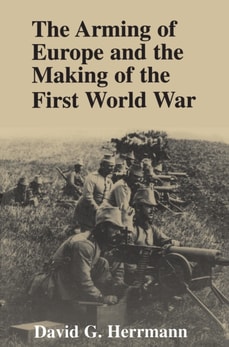
David Herrmann's work is the most complete study to date of how land-based military power influenced international affairs during the series of diplomatic crises that led up to the First World War.
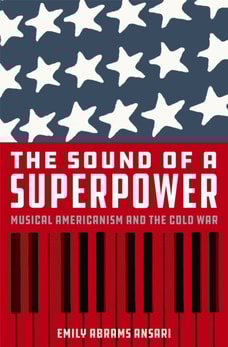
From the mid-1950s to the late 1970s, jazz was harnessed as America's "e;sonic weapon"e; to promote an image to the world of a free and democratic America.
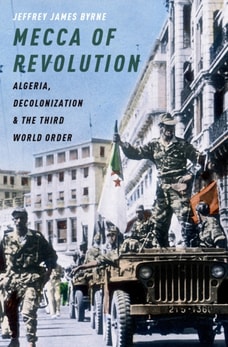
Mecca of Revolution traces the ideological and methodological evolution of the Algerian Revolution, showing how an anticolonial nationalist struggle culminated in independent Algeria's ambitious agenda to reshape not only its own society, but international society too.
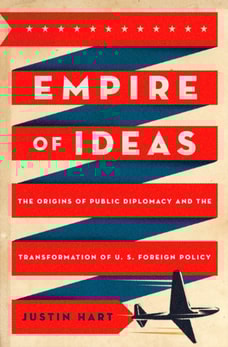
Covering the period from 1936 to 1953, Empire of Ideas reveals how and why image first became a component of foreign policy, prompting policymakers to embrace such techniques as propaganda, educational exchanges, cultural exhibits, overseas libraries, and domestic public relations.
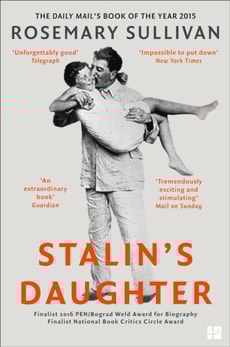
Winner of the Hilary Weston Writers' Trust Prize for Non-FictionA New York Times Notable Book of 2015A painstakingly researched, revelatory biography of Svetlana Stalin, a woman fated to live her life in the shadow of one of history's most monstrous dictators - her father, Josef Stalin.
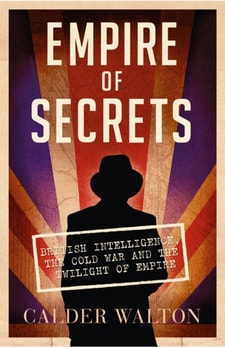
The winner of the 2013 Longman-History Today Book Prize is the gripping and largely untold story of the role of the intelligence services in Britain's retreat from empire.
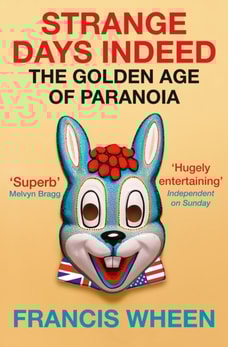
Strange Days Indeed tells the story of how the paranoia exemplified by Nixon and Wilson became the defining characteristic of western politics and culture in the 1970s.
This handbook provides an overview of scholarly research on sexuality in East Central Europe for both students and academics, focusing on the Czech Republic, Hungary, Poland, and Slovakia, from the late nineteenth century to the present.
Shortlisted for the Wolfson History Prize 2018 This book is the first to offer a full account of the varied contributions of German Jews to Imperial Germany’s endeavors during the Great War.
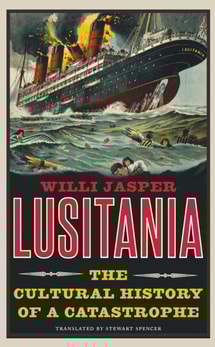
A fascinating reassessment of a turning point in the First World War, revealing its role in shaping the German psyche On May 7, 1915, the Lusitania, a large British luxury liner, was sunk by a German submarine off the Irish coast.
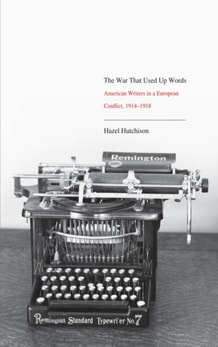
In this provocative study, Hazel Hutchison takes a fresh look at the roles of American writers in helping to shape national opinion and policy during the First World War.
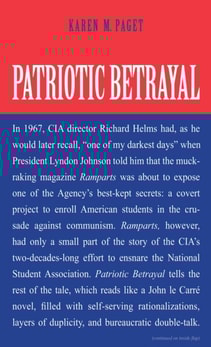
The previously untold true story of the CIA’s clandestine use of American students as undercover operatives during the Cold War In 1967, CIA director Richard Helms had, as he would later recall, “one of my darkest days” when President Lyndon Johnson told him that the muckraking magazine Ramparts was about to expose one of the Agency’s best-kept secrets: a covert project to enroll American students in the crusade against communism.
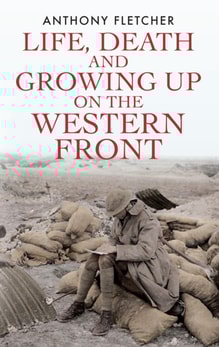
A powerful account of life and loss in the Great War, as told by British soldiers in their letters home This book was inspired by the author’s discovery of an extraordinary cache of letters from a soldier who was killed on the Western Front during the First World War.
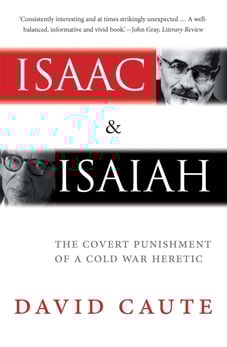
Two high-voltage scholars engage in a bitter conflict in this irresistible tale of principle and politics in the Cold War years Rancorous and highly public disagreements between Isaiah Berlin and Isaac Deutscher escalated to the point of cruel betrayal in the mid-1960s, yet surprisingly the details of the episode have escaped historians’ scrutiny.
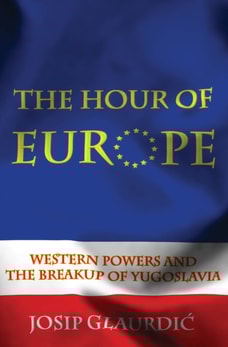
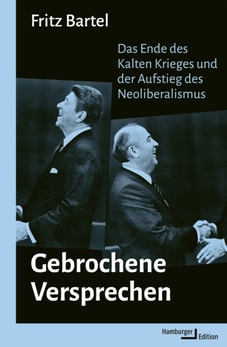
By looking through the prism of the West's involvement in the breakup of Yugoslavia, this book presents a new examination of the end of the Cold War in Europe.
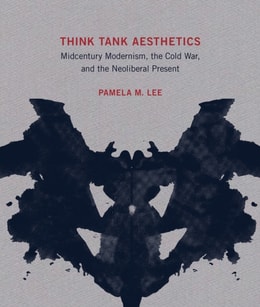
How the approaches and methods of think tanks—including systems theory, operational research, and cybernetics—paved the way for a peculiar genre of midcentury modernism.
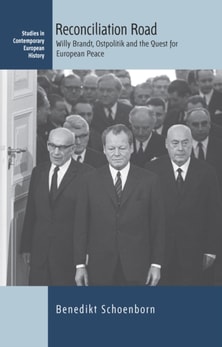
Among postwar political leaders, West German Chancellor Willy Brandt played one of the most significant roles in reconciling Germans with other Europeans and in creating the international framework that enabled peaceful reunification in 1990.
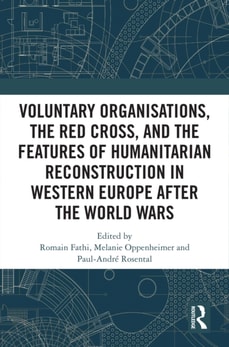
This book explores the ways in which non-government organisations have contributed to the reconstruction of, and care for populations in, Western European countries including but not limited to Belgium, France, Germany, Italy and the United Kingdom in the aftermath of the World Wars.
This book, spanning the years 1965-1967 - the years leading up to and culminating in the June 1967 Six-Day War - is the fourth in a four-volume collection of documents from the Russian Federation and the Israeli State Archive portraying relations between the Soviet Union and the State of Israel.
LONGLISTED FOR THE ALCS GOLD DAGGER FOR NON-FICTION'One of the mysteries I've long been fascinated by, and I am so grateful that Ravi Somaiya has cracked it open so brilliantly' David Grann, author of Killers of the Flower MoonA PLANE CRASH IN THE JUNGLE.
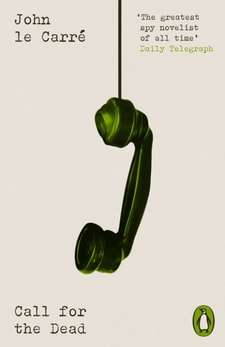
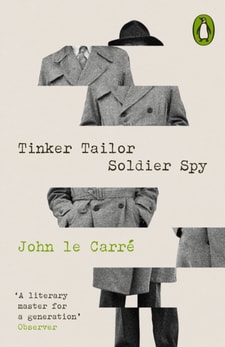
Discover the new Penguin Crime and Espionage seriesA Russian mole has infiltrated the British establishment - and the spymaster Smiley must dig them out.