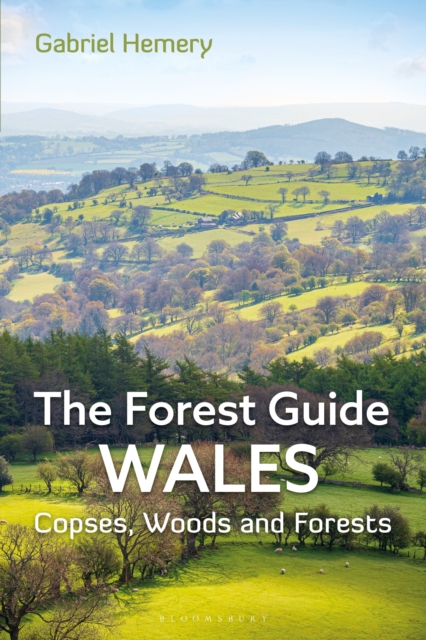
By choosing to concentrate upon discovering what forest resources were available to the French navy during the ancien régime and what use it was able to make of them, Mr.
The movement of one cultural group into the territory of another has always produced conflict: a conflict which is resolved at times by the obliteration of one group, but more often by a gradual fusion of elements drawn from both.
Since the beginning of the twentieth century, Toronto’s Kensington Market neighbourhood has been home to a multicultural mosaic of immigrant communities: Jewish, Portuguese, Chinese, South Asian, Caribbean, and many others.
Since the beginning of the twentieth century, Toronto’s Kensington Market neighbourhood has been home to a multicultural mosaic of immigrant communities: Jewish, Portuguese, Chinese, South Asian, Caribbean, and many others.
This groundbreaking volume offers a fresh approach to conceptualizing the historical geography of North America by taking a thematic rather than a traditional regional perspective.
The thirtieth volume of Geographers: Biobibliographical Studies adds significantly to the corpus of scholarship on geography's multiple histories and biographies with nine essays on figures from Britain, France, the USA and Spain.
The thirtieth volume of Geographers: Biobibliographical Studies adds significantly to the corpus of scholarship on geography's multiple histories and biographies with nine essays on figures from Britain, France, the USA and Spain.
The twenty-seventh volume of Geographers: Biobibliographical Studies includes essays covering the geographical work and lasting significance of eight individuals between the late sixteenth century and the early twentieth century.
The twenty-seventh volume of Geographers: Biobibliographical Studies includes essays covering the geographical work and lasting significance of eight individuals between the late sixteenth century and the early twentieth century.
Not your run-of-the-mill world history tome, this book takes readers on a fascinating journey through time to examine world history through the closely related discipline of geography.
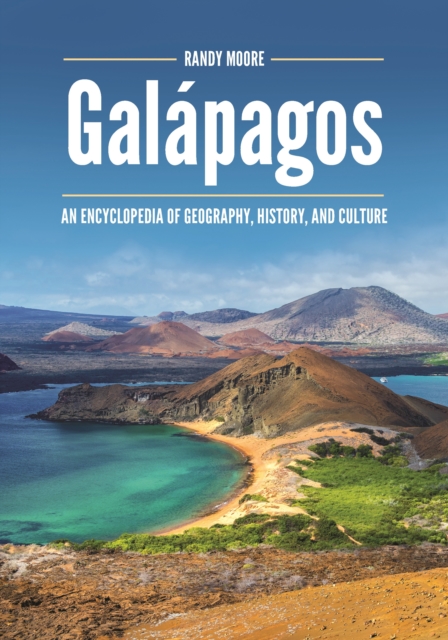
Winner, 2022 RUSA Outstanding Reference SourceThis encyclopedia provides readers with a comprehensive look at the Galapagos Islands, from the wildlife and scientists that made them famous to the challenges and issues the islands face today.
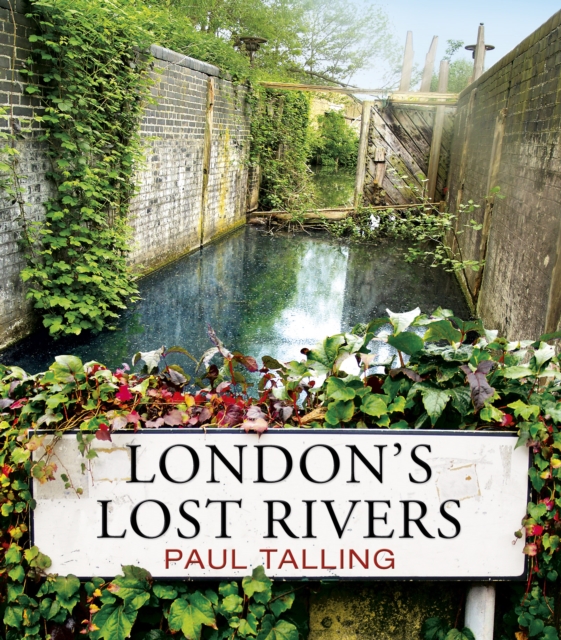
Packed with surprising and fascinating information, London's Lost Rivers uncovers a very different side to London - showing how waterways shaped our principal city and exploring the legacy they leave today.
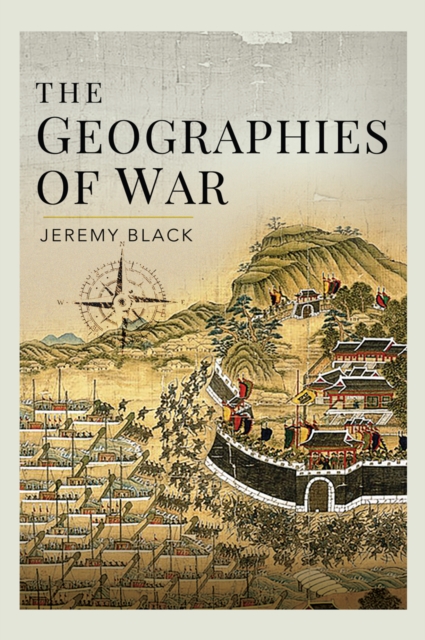
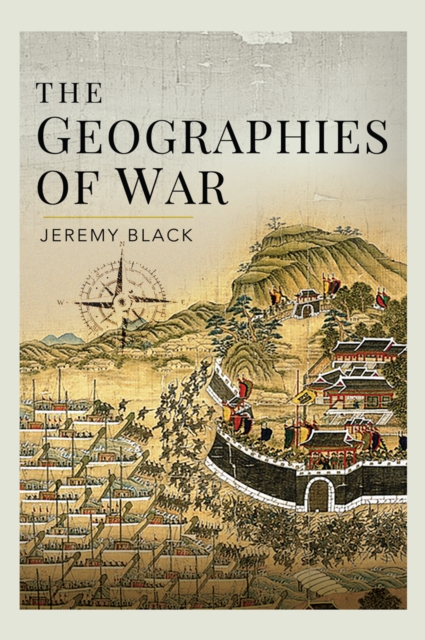
A global history of the geography of war from antiquity to modern and contemporary conflict illustrated and brought to life by histories of inter-state war, geopolitical rivalry, 'hot' and 'cold' war and terrorism.
A global history of the geography of war from antiquity to today featuring accounts of inter-state war, geopolitical rivalry, hot & cold war and terrorism.
This much anticipated volume looks at the historical evolution of towns and cities in medieval India from the early thirteenth to the late eighteenth century.
This much anticipated volume looks at the historical evolution of towns and cities in medieval India from the early thirteenth to the late eighteenth century.
Bringing together theoretical and empirical research from 22 countries in Europe, North America, Australia, South America and Japan, this book offers a state-of-the-art survey of conceptual and methodological research and planning issues relating to landscape, heritage, [and] development.
Bringing together theoretical and empirical research from 22 countries in Europe, North America, Australia, South America and Japan, this book offers a state-of-the-art survey of conceptual and methodological research and planning issues relating to landscape, heritage, [and] development.
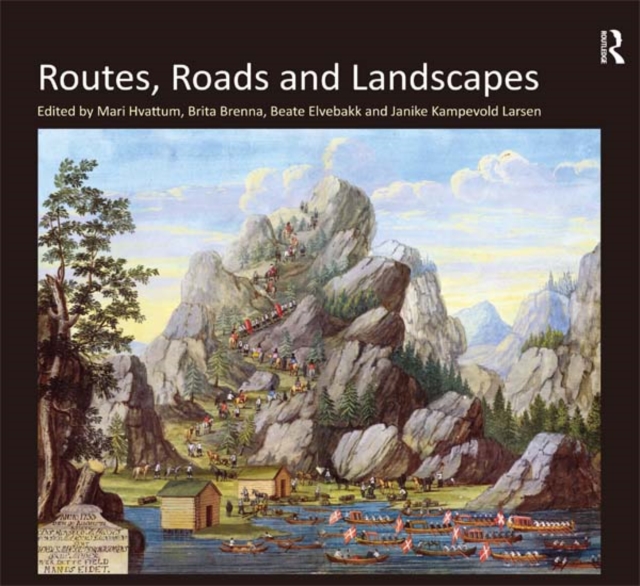
Routes and roads make their way into and across the landscape, defining it as landscape and making it accessible for many kinds of uses and perceptions.
Routes and roads make their way into and across the landscape, defining it as landscape and making it accessible for many kinds of uses and perceptions.
This book looks at the evolution of rural settlement in Scotland from the Mesolithic period through to the improving movement of the 18th and 19th centuries.
This book looks at the evolution of rural settlement in Scotland from the Mesolithic period through to the improving movement of the 18th and 19th centuries.
Travel, Communication and Geography in Late Antiquity brings together a set of papers that consider anew issues of travel, communication and landscape in Late Antiquity.
Travel, Communication and Geography in Late Antiquity brings together a set of papers that consider anew issues of travel, communication and landscape in Late Antiquity.
Many European towns have experienced loss of population, degradation of physical structure and profound economic change at least once since the height of the Roman Empire.
Many European towns have experienced loss of population, degradation of physical structure and profound economic change at least once since the height of the Roman Empire.
Despite the considerable volume of research into various aspects of the social and economic, cultural and political history of eighteenth-century British towns, remarkably little has focused upon, or even reflected upon the distinctive experience of women in the urban context.
Despite the considerable volume of research into various aspects of the social and economic, cultural and political history of eighteenth-century British towns, remarkably little has focused upon, or even reflected upon the distinctive experience of women in the urban context.
Arguing that historical analysis is an important, yet heretofore largely underexplored dimension of scholarship in animal geographies, this book seeks to define historical animal geography as the exploration of how spatially situated human-animal relations have changed through time.
Arguing that historical analysis is an important, yet heretofore largely underexplored dimension of scholarship in animal geographies, this book seeks to define historical animal geography as the exploration of how spatially situated human-animal relations have changed through time.