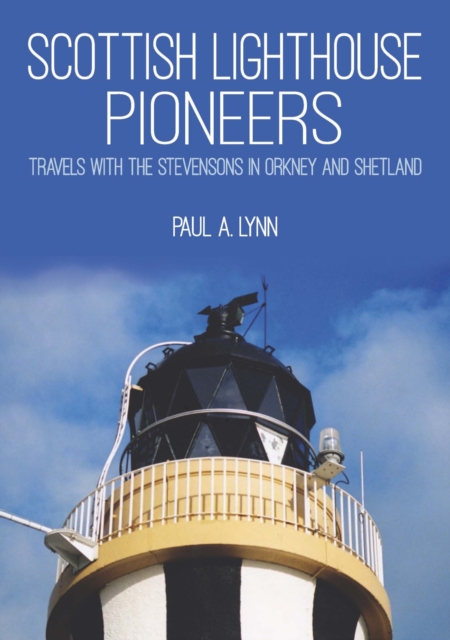
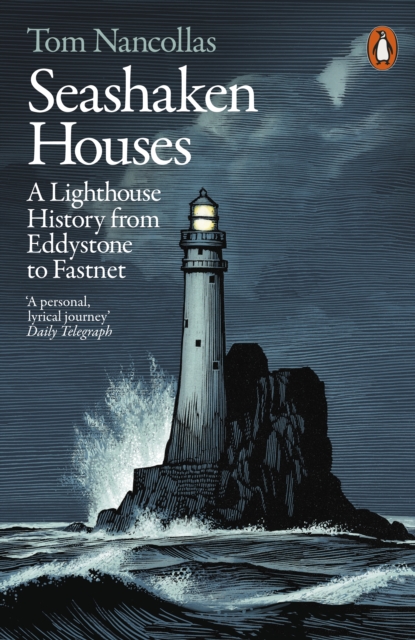
In the 19th century, the Stevenson engineers pioneered marvellous lighthouses around the coasts of Scotland - lighthouses which inspire with their architectural elegance, and speak of compassion for sailors and fishermen risking their lives in these notoriously dangerous waters.
'A thrilling celebration of lighthouses' i newspaperAn enthralling history of Britain's rock lighthouses, and the people who built and inhabited themLighthouses are enduring monuments to our relationship with the sea.
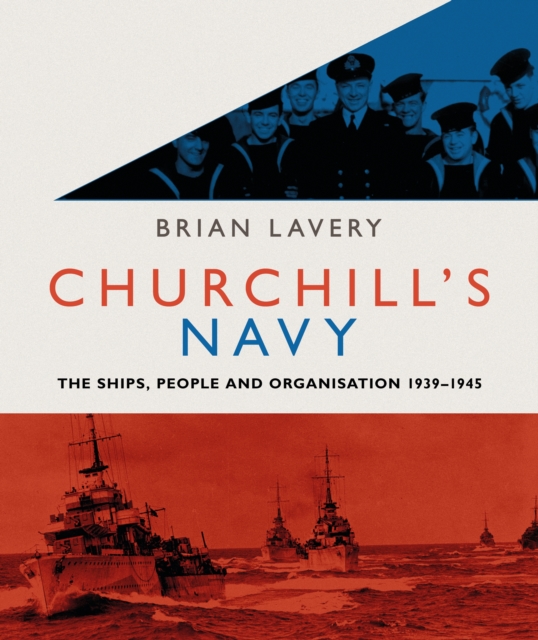
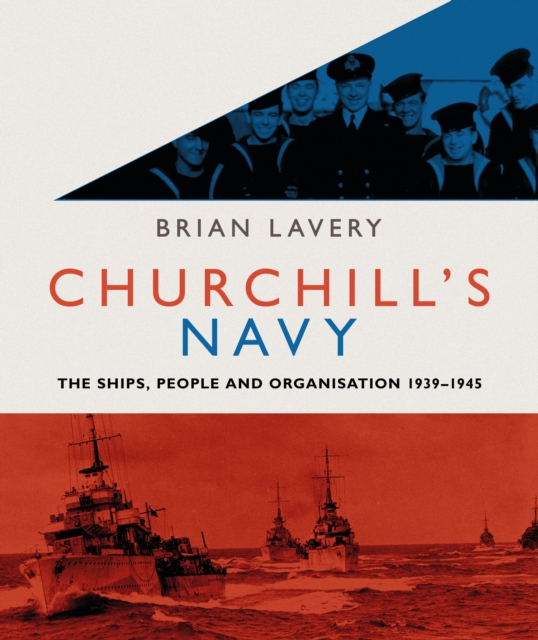
In this remarkable book, now reissued in paperback, Brian Lavery examines every aspect of the Royal Navy, both ashore and at sea, during the Second World War, and casts a lucid eye over the strengths and weaknesses of an organisation that was put under acute strain during the period, yet rose to the challenge with initiative and determination.
In this remarkable book, now reissued in paperback, Brian Lavery examines every aspect of the Royal Navy, both ashore and at sea, during the Second World War, and casts a lucid eye over the strengths and weaknesses of an organisation that was put under acute strain during the period, yet rose to the challenge with initiative and determination.
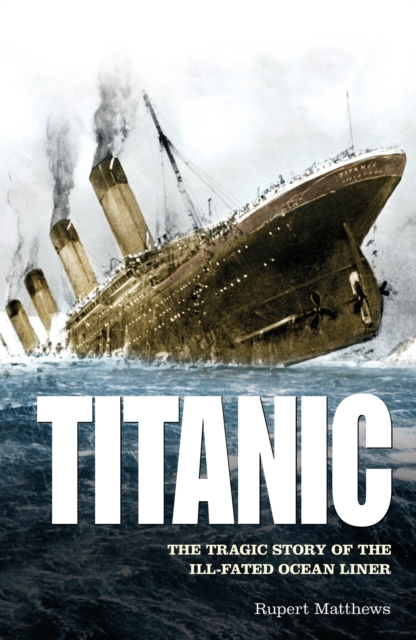
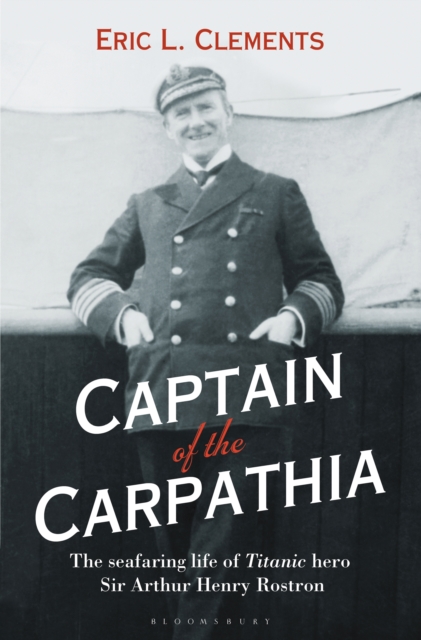
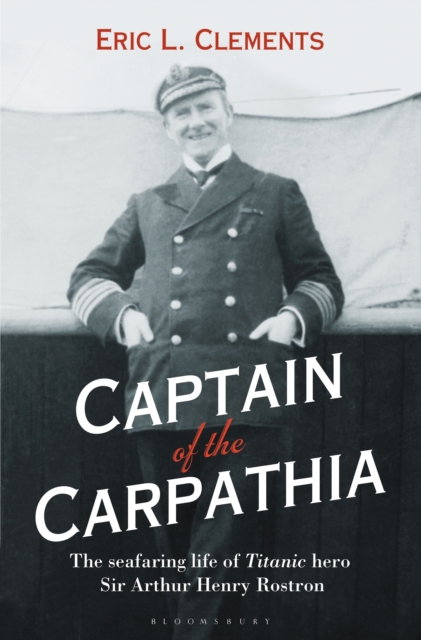
Responding to Titanic's distress calls in the early hours of 15 April 1912, Captain Arthur Rostron raced the Cunard liner Carpathia to the scene of the sinking, rescued the seven hundred survivors of the world's most famous shipwreck and then carried them to safety at New York.
Responding to Titanic's distress calls in the early hours of 15 April 1912, Captain Arthur Rostron raced the Cunard liner Carpathia to the scene of the sinking, rescued the seven hundred survivors of the world's most famous shipwreck and then carried them to safety at New York.
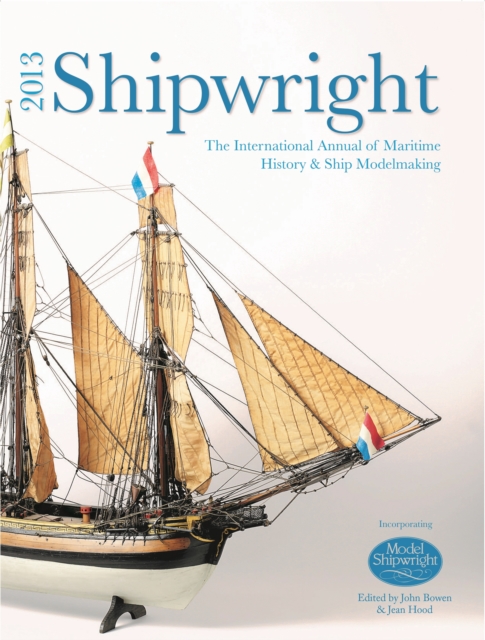
The fourth edition of the acclaimed full-colour annual focusing on all facets of 'scratch-built' model shipbuilding, as well as related articles on restoration, archaeology, historical research and marine art.
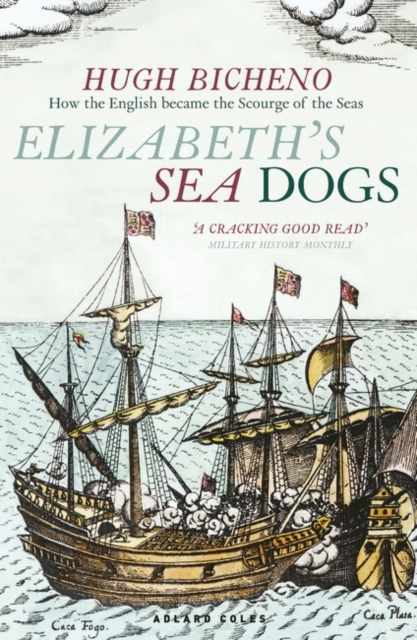
Elizabeth's Sea Dogs investigates the rise and fall of a unique group of adventurers men like Francis Drake, John Hawkins, Martin Frobisher and Walter Raleigh.
The Ancient Explorers (1929) examines the motives of ancient exploration by the different civilizations of the time, the primary of these being the Greeks and the Romans, and looks at the means of travel at their disposal.
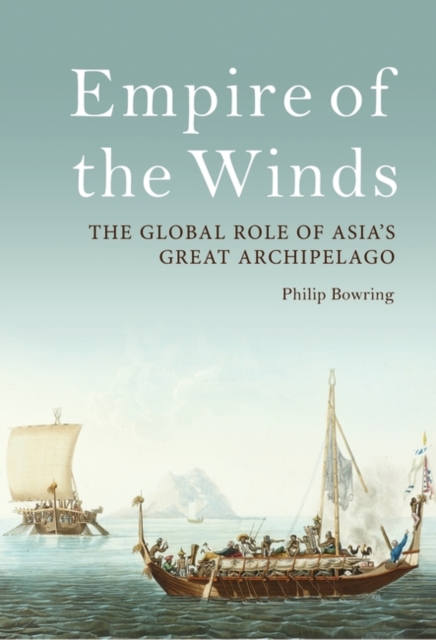
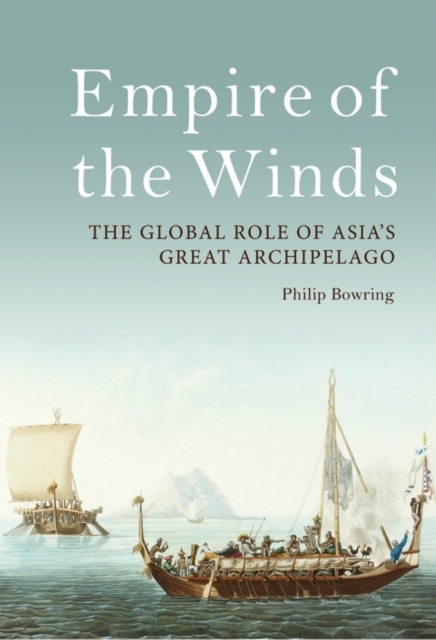
Winner of the Penang Book Prize 2019Nusantaria often referred to as 'Maritime Southeast Asia' is the world's largest archipelago and has, for centuries, been a vital cultural and trading hub.
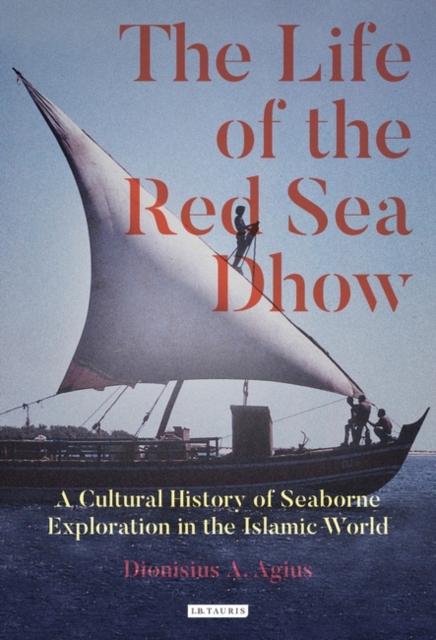
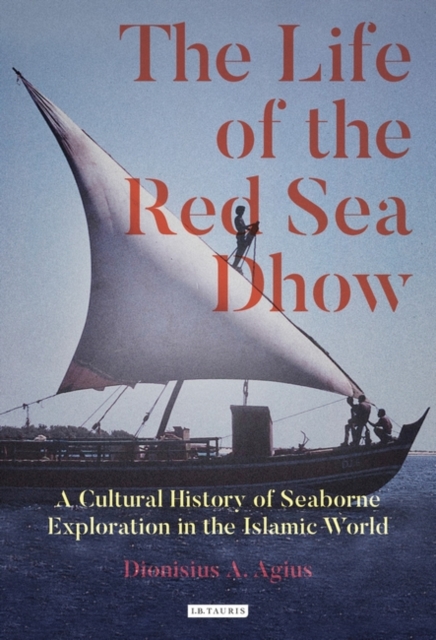
Few images are as evocative as the silhouette of the Arab dhow as, under full sail, it tacks to windward on glittering waters of Red Sea before moving across the face of the rising or setting sun.
Winner of the Penang Book Prize 2019Nusantaria often referred to as 'Maritime Southeast Asia' is the world's largest archipelago and has, for centuries, been a vital cultural and trading hub.
Few images are as evocative as the silhouette of the Arab dhow as, under full sail, it tacks to windward on glittering waters of Red Sea before moving across the face of the rising or setting sun.
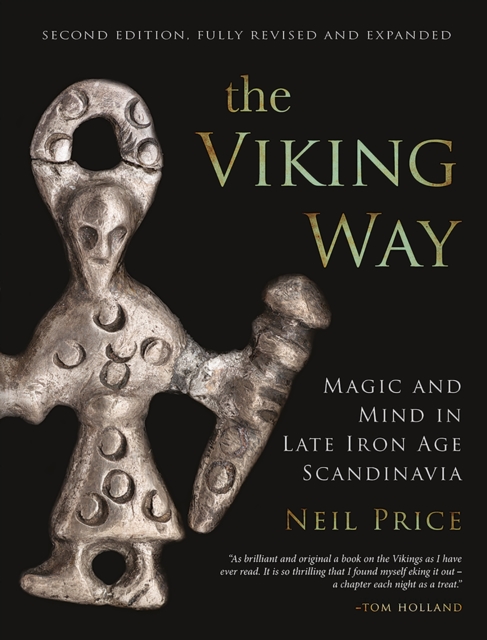
Magic, sorcery and witchcraft are among the most common themes of the great medieval Icelandic sagas and poems, the problematic yet vital sources that provide our primary textual evidence for the Viking Age that they claim to describe.
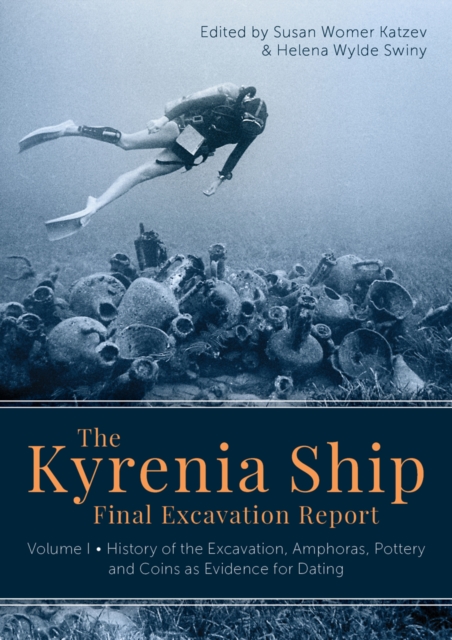
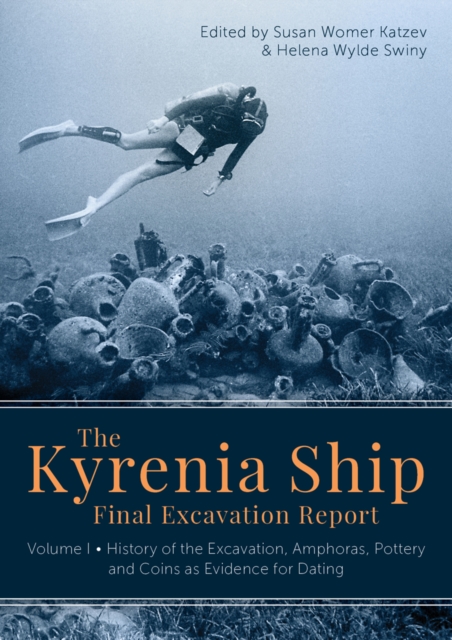
The Kyrenia Ship, a Greek merchantman built around 315 BC, which sank off the north coast of Cyprus, was excavated between 1968 and 1972 under the direction of Michael L.
The Kyrenia Ship, a Greek merchantman built around 315 BC, which sank off the north coast of Cyprus, was excavated between 1968 and 1972 under the direction of Michael L.
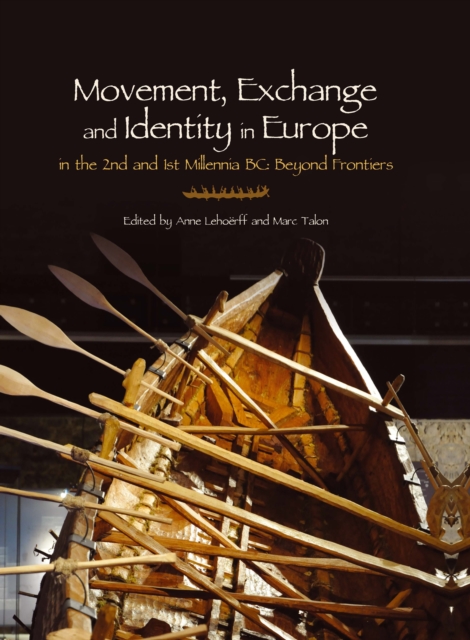
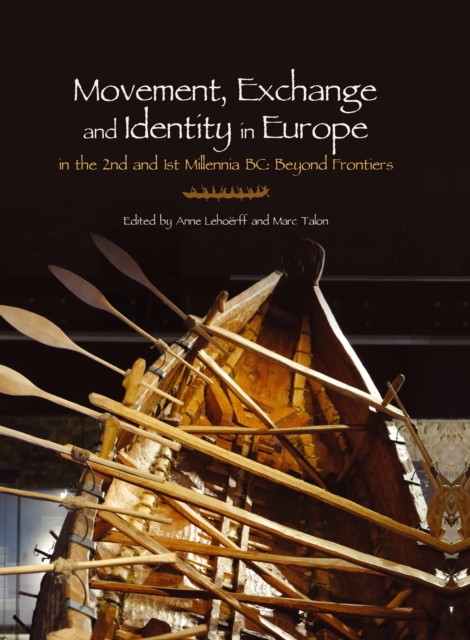
This collection of papers by an international chort of contributors explores the nature of the maritime connections that appear to have existed in the Transmanche/English Channel Zone during later prehistory.
This collection of papers by an international chort of contributors explores the nature of the maritime connections that appear to have existed in the Transmanche/English Channel Zone during later prehistory.