Martin Stauber, ein nicht minder begabter Freund des Astronomen und Mathematikers Johannes Kepler, ist von frühester Jugend von allem Lebendigen fasziniert.
These articles deal with the functioning, and malfunctioning, of the Carreira da India, the round voyages made between Portugal and its possessions in India that began after Vasco da Gama had opened up the route round the Cape of Good Hope in 1497-99.
Die ESTONIA: 25 Jahre nach dem Untergang - neue Beweise, neue ErkenntnisseEs war die größte zivile Schifffahrtskatastrophe nach dem Zweiten Weltkrieg: Am 28.
Analysing a struggle for neutrality amid a rapidly changing European scene, this book illustrates how the small state of Tuscany cunningly managed to preserve its sovereignty and independence during a dangerous diplomatic dispute with England.
Embark on a thrilling voyage through history with "e;Naval Battles Of The World: Great And Decisive Contests On The Sea"e; by Edward Shippen, where the clash of titanic warships and the strategic brilliance of naval commanders shape the fate of nations.
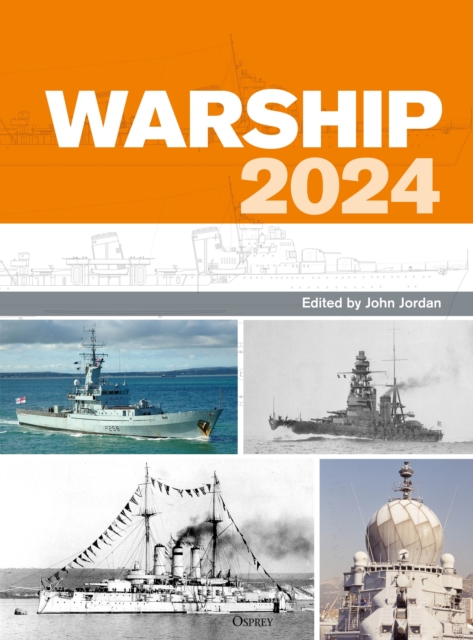
The 2024 edition of Warship, the celebrated annual publication featuring original research on the history, development, and service of the world's warships.
This book examines the Southern Indian Ocean corridor as a geographic, geological, and atmospheric space, taking a critical oceanic humanities approach while never losing sight of the land and water interface.
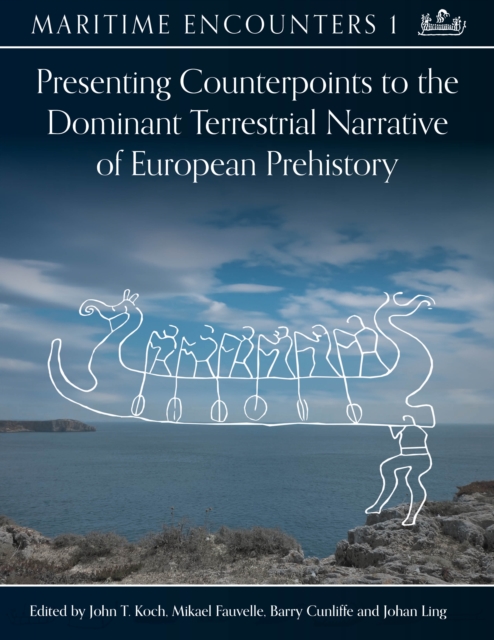
Challenges the terrestrial focus of European prehistory, emphasizing the significance of seascapes, maritime networks, and coastal societies in shaping prehistoric Europe.
First published in 1971, The Swahili Coast deals with a sixty-year period in which Arabs from Oman in Arabia extended their influence over the East African coast from Mogadishu in the north to Cape Delgado in the South.
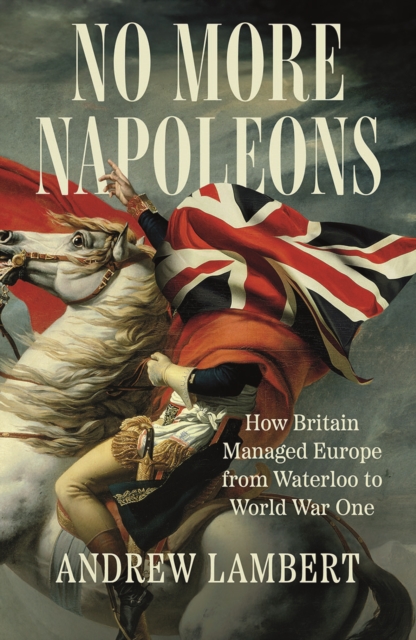
How, for just over a century, Britain ensured it would not face another Napoleon Bonaparte-manipulating European powers while building a global maritime empire At the conclusion of the Napoleonic Wars, a fragile peace emerged in Europe.
From a brilliant Brookings Institution expert, an ';important' (The Wall Street Journal) and ';penetrating historical and political study' (Nature) of the critical role that oceans play in the daily struggle for global power, in the bestselling tradition of Robert Kaplan's The Revenge of Geography.
For years before the outbreak of the First World War, it was the expectation of most officers of the Royal Navy and the Imperial German Navy that very shortly thereafter; a decisive fleet action would be fought.
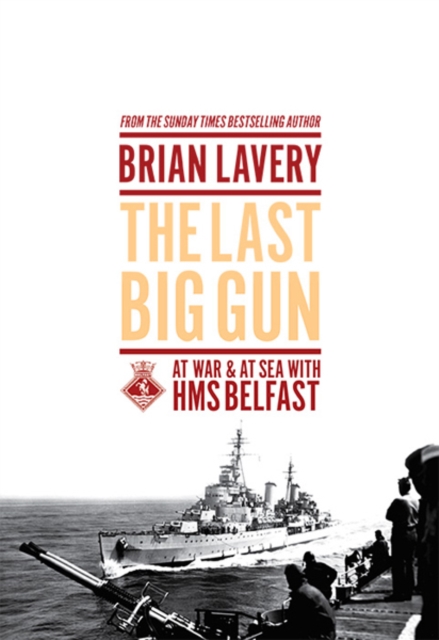
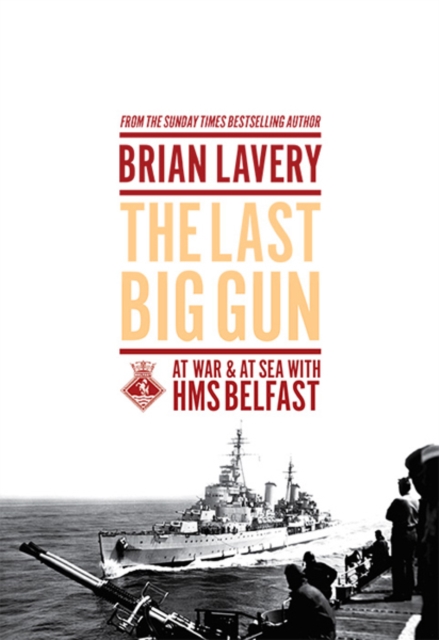
As she lay in dry dock, devastatingly damaged by one of Hitler’s newly deployed magnetic mines after barely two months in service, few could have predicted the illustrious career that lay ahead for the cruiser HMS Belfast.
As she lay in dry dock, devastatingly damaged by one of Hitler’s newly deployed magnetic mines after barely two months in service, few could have predicted the illustrious career that lay ahead for the cruiser HMS Belfast.
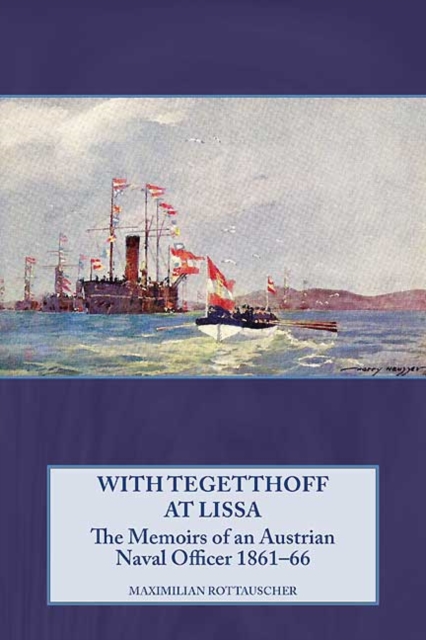
The imperial Austrian navy which fought and won the signal victory of Lissa on 20 July 1866, during the so-called Seven Weeks' War of 1866, has in recent years been subjected to more detailed scrutiny than has hitherto been its lot, and it is with an eye to following this trend that we present the following translation of part of the memoirs of one of its officers.
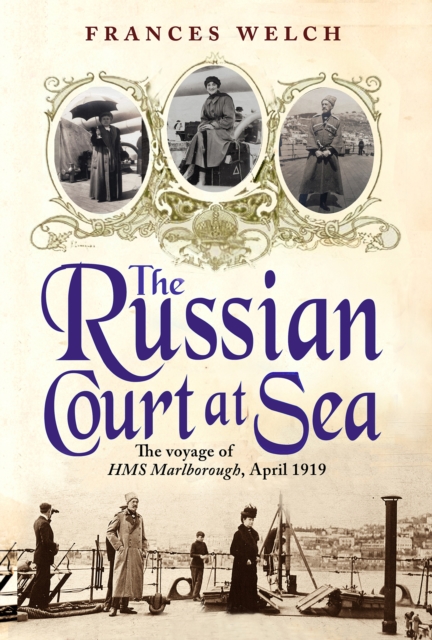
On 11th April 1919, less than a year after the assassination of the Romanovs, the British battleship HMS Marlborough left Yalta carrying 17 members of the Russian Imperial Family into perpetual exile.
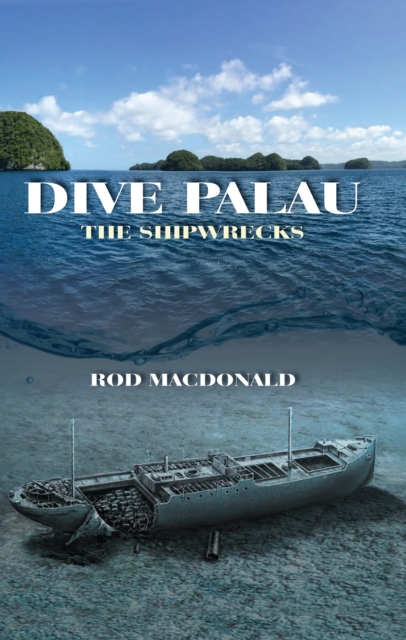
Recounted with his usual level of meticulous historical research, Rod weaves an easily readable account of the build-up to and implementation of Operation Desecrate 1 - the raid undertaken to destroy Japanese ships and aircraft in the lagoons of Palau.
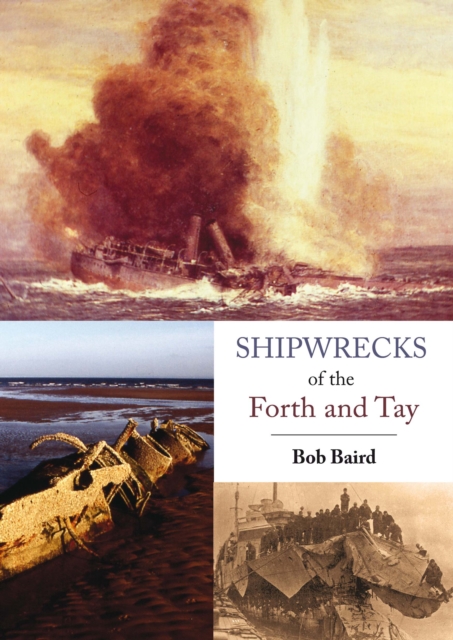
This is a meticulously-researched reference guide to 300 shipping losses, and the events surrounding their sinking, off the coast of Scotland from Berwick-on-Tweed to the Forth and Tay, and northwards to Stonehaven.
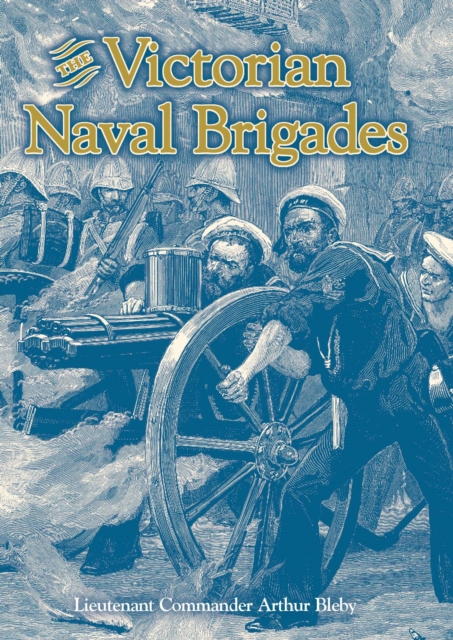
A record of the Naval Brigades' extraordinary exploits and achievements during eleven 'Wars of the Empire' in the 19th centuryThere is a view that, in Victorian times, whilst the Army was engaged in a series of wars, the Navy enjoyed a peaceful existence - however, this was not the case.
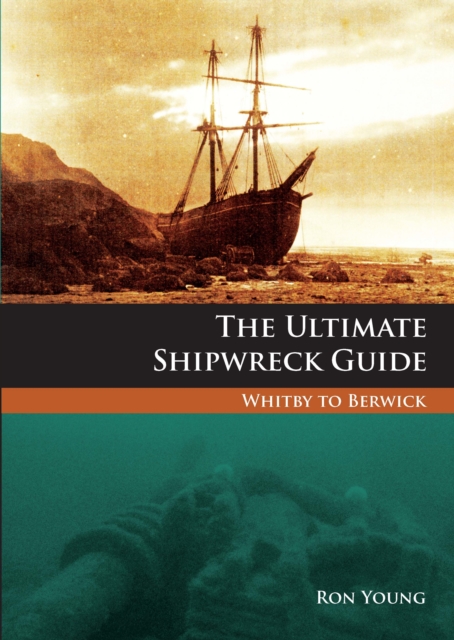
The author has acquired a vast wealth of knowledge, data and experience in boat angling, sport and wreck diving over a period of almost 50 years and has written various wreck books, including two volumes about shipwrecks off the north-east coast of England.
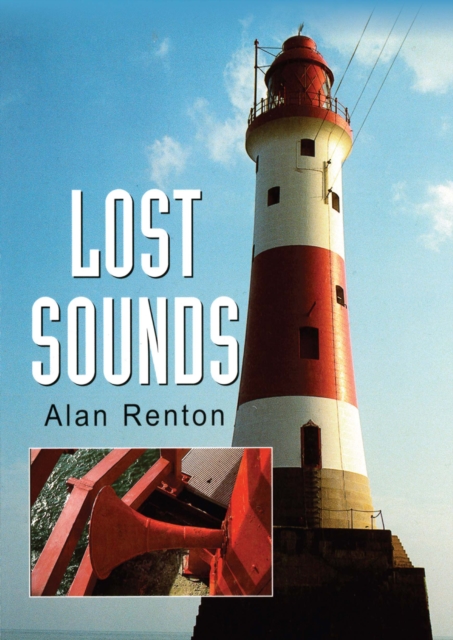
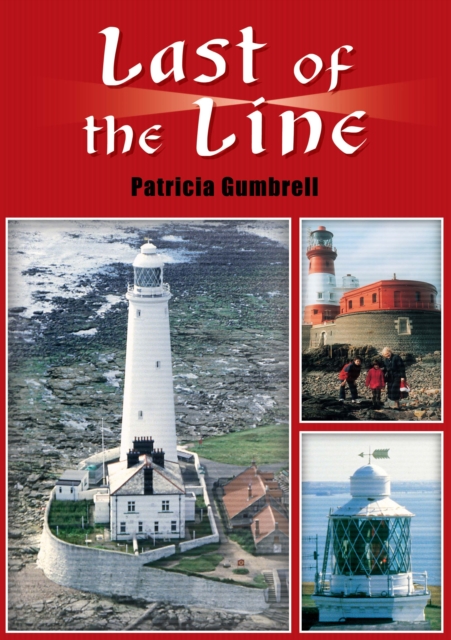
Now that lighthouse automation has been completed, what of the service and dedication to duty that was unfailingly provided by keepers, their associates and their families?
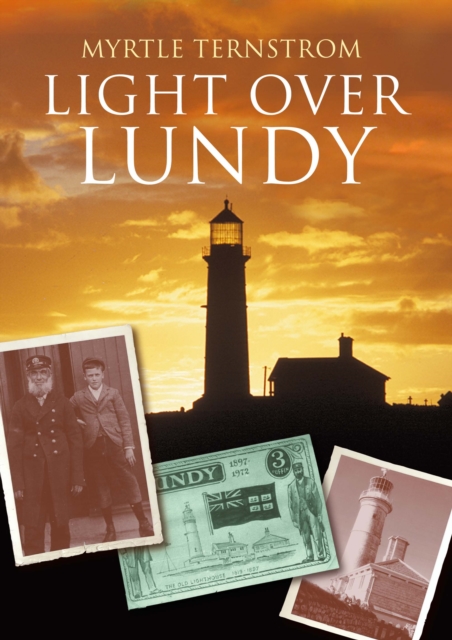
Set atop the rocky plateau of Lundy Island in the Bristol Channel, the Old Light stands proudly - a monument to the skill of its builder, Joseph Nelson.