When originally published in 1984, and based on archival research, this book was the first fully documented discussion of German naval strategy and planning from 1862-1914 against France, Russia, Great Britain, the United States and Japan.
When originally published in 1945 this book was the first to give a detailed account, based largely upon original sources, of the 'Scheldt Question' from its medieval origins to the settlement of 1839 and to set it against an adequate background of political and economic history.
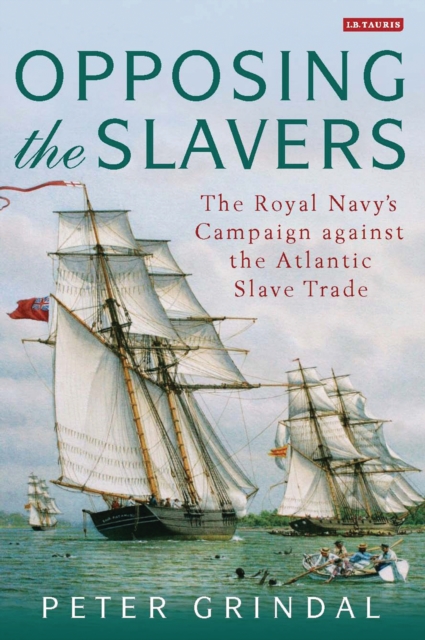
Much is known about Britain's role in the Atlantic slave trade during the eighteenth century but few are aware of the sustained campaign against slaving conducted by the Royal Navy after the passing of the Slave Trade Abolition Act of 1807.
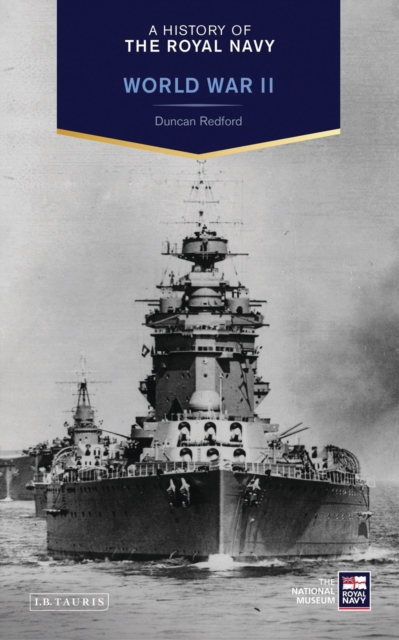
The Royal Navy's operations in World War II started on 3 September 1939 and continued until the surrender of Japan in August 1945 - there was no 'phoney war' at sea.
For many years the naval warfare of World War I has been largely overlooked; yet, at the outbreak of that war, the British Government had expected and intended its military contribution to the conflict to be largely naval.
From 1501, when the first slaves arrived in Hispaniola, until the nineteenth century, some twelve million people were abducted from west Africa and shipped across thousands of miles of ocean - the infamous Middle Passage - to work in the colonies of the New World.
Much is known about Britain's role in the Atlantic slave trade during the eighteenth century but few are aware of the sustained campaign against slaving conducted by the Royal Navy after the passing of the Slave Trade Abolition Act of 1807.
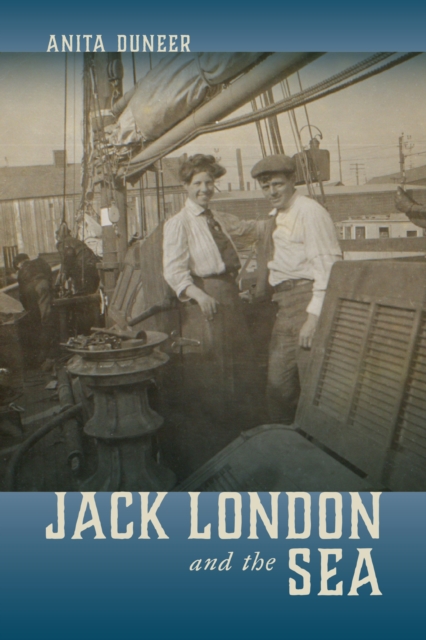
The first book-length study of London as a maritime writer Jack London's fiction has been studied previously for its thematic connections to the ocean, but Jack London and the Sea marks the first time that his life as a writer has been considered extensively in relationship to his own sailing history and interests.
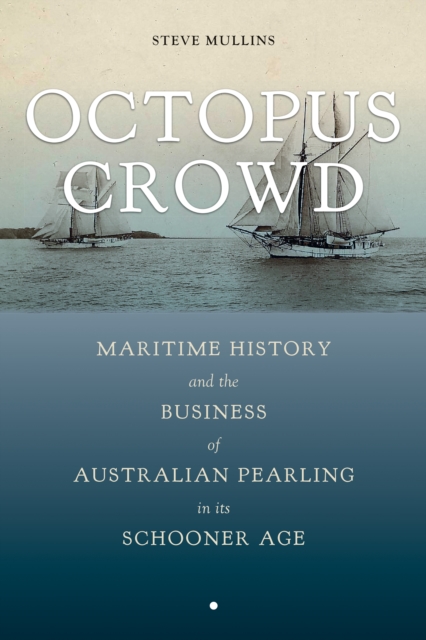
A detailed study of the origins and demise of schooner-based pearling in Australia For most of its history, Australian pearling was a shore-based activity.
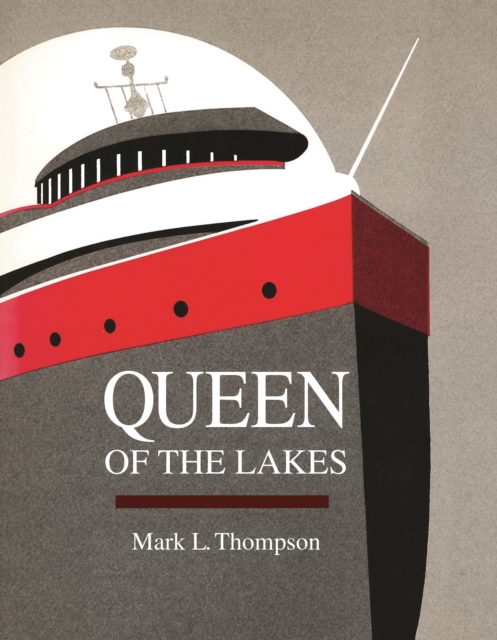
Queen of the Lakes, perfect for coffee tables, lakefront cabins, and boat lovers' bookshelves, tells the story of each of the ships that has been honored with the title "Queen of the Great Lakes.
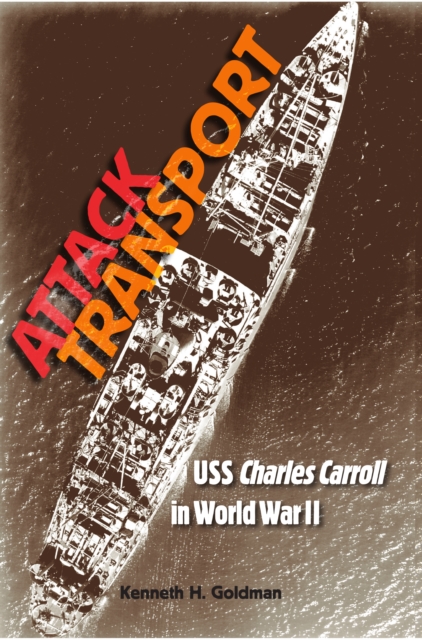
The story of the Lucky Chuck, which earned six battle stars during WWIIIn November 1942, the amphibious transport ship USS Charles Carroll carried troops from Norfolk to invade North Africa.
The troubled chain of events involving Captain Kidd's capture of the Quedagh Merchant and his eventual execution for piracy in 1701 are well known, but the exact location of the much sought-after ship remained a mystery for more than 300 years.
The history and groundbreaking discovery of a 1559 shipwreck and an ill-fated early Florida colonyHonorable Mention, North American Society for Oceanic History John Lyman Book Award in the Naval and Maritime Science and Technology CategoryIn 1559, Spanish explorer Tristn de Luna led a fleet of ships from Mexico to Pensacola Bay to settle the Florida frontier for the Kingdom of Spain.
Thousands of cargo ships sailed in both the Atlantic and Pacific theaters of World War II manned by young men who braved blockades, torpedoes, and bombings to deliver vital supplies to the Allied forces and make victory possible.
Queen of the Lakes, perfect for coffee tables, lakefront cabins, and boat lovers' bookshelves, tells the story of each of the ships that has been honored with the title "Queen of the Great Lakes.
For as long as humanity has ventured on the seas, naval warfare has been an integral part of their activities and the focal point for many histories and ideas of heritage.
In 2014 media around the world buzzed with news that an archaeological team from Parks Canada had located and identified the wreck of HMS Erebus, the flagship of Sir John Franklin's lost expedition to find the Northwest Passage.
In 2014 media around the world buzzed with news that an archaeological team from Parks Canada had located and identified the wreck of HMS Erebus, the flagship of Sir John Franklin's lost expedition to find the Northwest Passage.
Before contact with white people, the Northwest Coast natives had traded amongst themselves and with other indigenous people farther inland, but by the end of the 1780s, when Russian coasters had penetrated the Gulf of Alaska and British merchantmen were frequenting Nootka Sound, trade had become the dominant economic activity in the area.
From the book: "e;They were five weeks out of England, driving through a storm on the icy edge of the world, when a sudden blast knocked Gabriel on her side.
Carefully crafted from oral interviews, diaries, letters, written recollections, census data, and other historical sources, Obligation and Opportunity opens a window into the world of the women who moved from the Maritimes to New England for work.