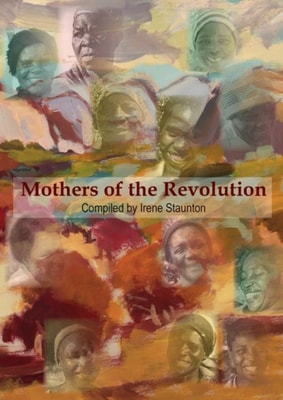
The epistemic Eurocentric boarders, expand towards the global south, they dehumanise and obliterate existing forms of thinking through colonialism and coloniality.
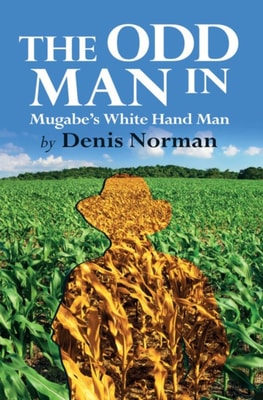
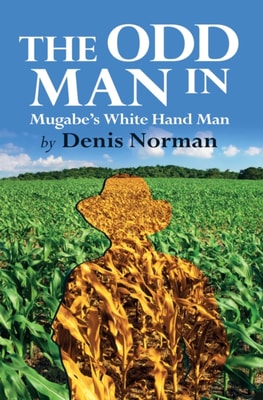
Denis Norman was born into an ordinary farming family in Oxfordshire, England in 1931, and 22 years later he travelled to Africa to become an assistant on a tobacco farm in Southern Rhodesia.
Denis Norman was born into an ordinary farming family in Oxfordshire, England in 1931, and 22 years later he travelled to Africa to become an assistant on a tobacco farm in Southern Rhodesia.
The epistemic deficiency of contending issue in post-imperial Africa, Zimbabwe in particular influence the author to take readers on the interesting journey of joining the reflections of ghetto life into concept and culture.
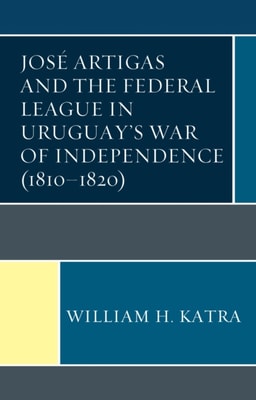
This is a history book that studies the thought and actions of Jose Gervasio Artigas throughout the decade of his prominence (1810 -1820) as leader of the Federal League, which united his native territory of Uruguay to four neighboring provinces in today's Argentina.
This book investigates the impact of commercial banks in Kenya right through from their origins, to their role during the colonial period, the process of adaptation following independence, and up to their responses to new challenges and economic policies in the twenty-first century.
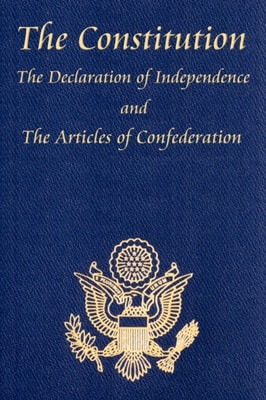
Collected here in one affordable volume are the most important documents of the United States of America: The Constitution of the United States of America, with the Bill of Rights and all of the Amendments; The Declaration of Independence; and the Articles of Confederation.
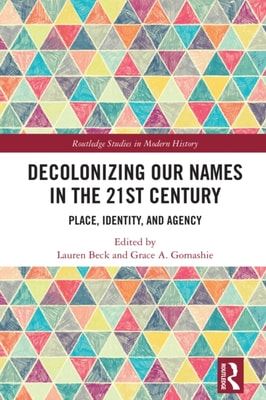
This book combines different decolonial approaches from around the world to offer a roadmap for updating names and naming practices, restoring and protecting precolonial ones, and reimagining or recontextualizing the relationship between place, identity, and names.
This landmark collection of eighty documents created by the American colonists-and not English officials-is the genesis of American fundamental law and constitutionalism.
This is the story of Gandhis spiritual evolution the turning points and choices that made him not just a great political leader but also a timeless icon of nonviolence.
James Weldon Johnson (1871-1938) was an American civil rights activist and writer who led the National Association for the Advancement of Colored People (NAACP).
As imperial political authority was increasingly challenged, sometimes with violence, locally recruited police forces became the front-line guardians of alien law and order.
Professor Drummond's two pioneering studies, British Economic Policy and the Empire 1919-1939, 1972, and Imperial Economic Policy 1917-1939, 1974, helped to revive interest in Empire migration and other aspects of inter-war imperial economic history.
It is impossible to understand capitalism without analyzing slavery, an institution that tied together three world regions: Europe, the Americas, and Africa.
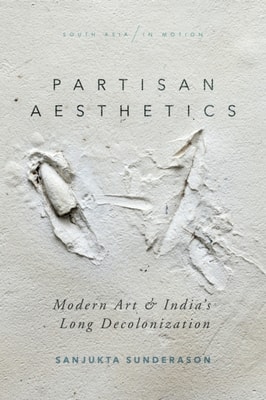
Partisan Aesthetics explores art's entanglements with histories of war, famine, mass politics and displacements that marked late-colonial and postcolonial India.
Partition-the physical division of territory along ethno-religious lines into separate nation-states-is often presented as a successful political "e;solution"e; to ethnic conflict.
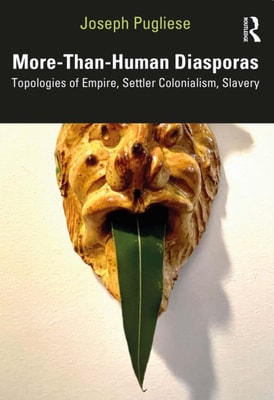
Pugliese's More Than Human Diasporas breaks the confines of existing scholarship in its vision of the way that more than human diasporic entities-such as water, trees, clay, stone and architectural styles-have functioned as agents within the context of empire, settler colonialism and a largely effaced history of Mediterranean enslavement, a history that pre existed and then coincided with the Atlantic slave trade.
This book combines different decolonial approaches from around the world to offer a roadmap for updating names and naming practices, restoring and protecting precolonial ones, and reimagining or recontextualizing the relationship between place, identity, and names.
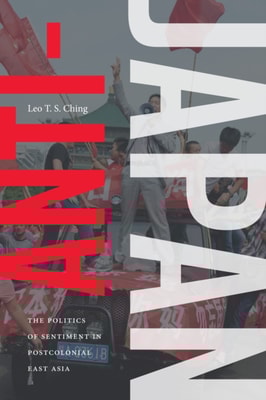
Although the Japanese empire rapidly dissolved following the end of World War II, the memories, mourning, and trauma of the nation's imperial exploits continue to haunt Korea, China, and Taiwan.
This book investigates the impact of commercial banks in Kenya right through from their origins, to their role during the colonial period, the process of adaptation following independence, and up to their responses to new challenges and economic policies in the twenty-first century.