This book offers a compelling study of contemporary developments in European migration studies and the representation of migration in the arts and cultural institutions.
This book offers a compelling study of contemporary developments in European migration studies and the representation of migration in the arts and cultural institutions.
The violent colonization of Africa by European nations toward the end of the 19th century-a colonization justified by theories about the African Mind promulgated in the Age of Reason-had a profound impact upon the mind of Black Africa.
In this first comparative study of Chinese and Zimbabwean railway experiences, Gao examines the role played by technological progress in generating significant social change.
The eighth volume in Frederick Madden's monumental documentary history of the British Empire, this volume deals with some of the dependencies-the West Indies, British Honduras, Hong Kong, Fiji, Cyprus, Gibraltar and the Falklands-since 1948.
One hundred years after the Boer War, the British continue to debate what went wrong, while the war has significant nationalist overtones in today's South Africa.
'Should be required reading for everyone - including unionists - who are interested in and concerned about the fate of this island' Dublin Review of Books'Compelling' Financial TimesWill Ireland really reunite?
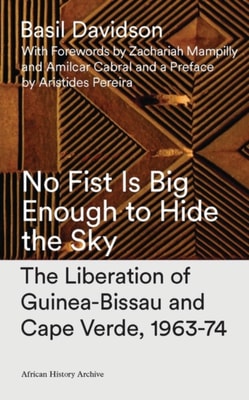
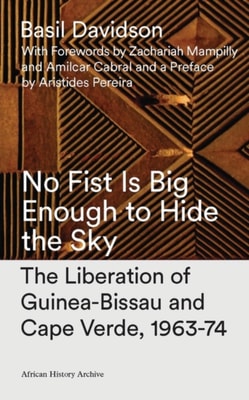
No Fist Is Big Enough to Hide the Sky stands as a key text in the history of the eleven-year struggle against Portuguese rule in Guinea-Bissau and Cape Verde.
No Fist Is Big Enough to Hide the Sky stands as a key text in the history of the eleven-year struggle against Portuguese rule in Guinea-Bissau and Cape Verde.
"e;One of those rare, transformative novels"e; KARIM MISKE"e;Funny and poignant"e; TIFFANY TSAO, author of The MajestiesInitially a little intrigued, all babies eventually return the security guard's smile.
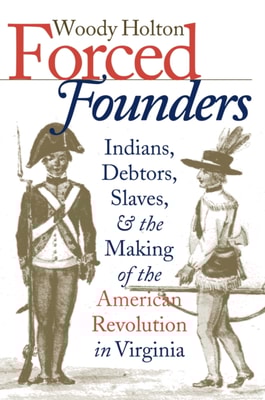
In this provocative reinterpretation of one of the best-known events in American history, Woody Holton shows that when Thomas Jefferson, George Washington, and other elite Virginians joined their peers from other colonies in declaring independence from Britain, they acted partly in response to grassroots rebellions against their own rule.
This book critically analyzes the state-based regime of international law, eliciting its colonial and decolonial origins and proposing a new sub-regional basis for dealing with contemporary global challenges.
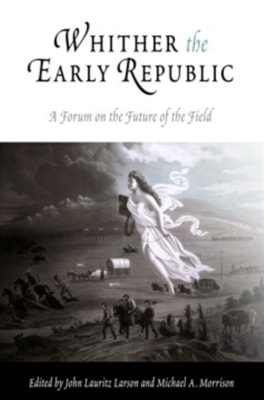
Penned by leading historians, the specially-commissioned essays of Whither the Early Republic represent the most stimulating and innovative work being done on imperialism, environmental history, slavery, economic history, politics, and culture in the early Republic.
The Present as History is a rare opportunity to hear world-renowned scholars speak on the new imperialism, feminism and human rights, secularism and Islam, post-colonialism, and the global economy.
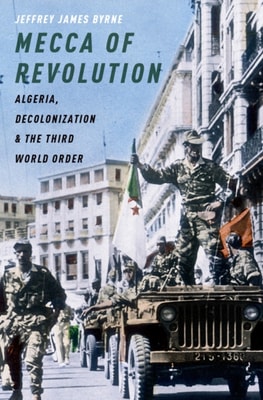
Mecca of Revolution traces the ideological and methodological evolution of the Algerian Revolution, showing how an anticolonial nationalist struggle culminated in independent Algeria's ambitious agenda to reshape not only its own society, but international society too.
In the sequel to his bestselling JFK in Ireland, the Emerald Isle's favourite son delves into his country's past to celebrate the Irish people who through their skills and endeavours helped make the British Isles great.
Although shattered by war, in 1945 Britain and France still controlled the world's two largest colonial empires, with imperial territories stretched over four continents.
Although shattered by war, in 1945 Britain and France still controlled the world's two largest colonial empires, with imperial territories stretched over four continents.
'A vivid, absorbing read' Sunday Times'Magisterial' Literary ReviewThe magnificent new biography of Gandhi by India's leading historianA New York Times Notable Book of 2018Gandhi lived one of the great 20th-century lives.
From the author of 'Edge of Empire' comes a fascinating, thought-provoking and alternative history of the American Revolution - that of those Americans who remained loyal to the British Empire.
The dramatic and little-known story of how, in the summer of 1920, Lenin came within a hair's breadth of shattering the painstakingly constructed Versailles peace settlement and spreading Bolshevism to western Europe.
In academic institutions worldwide, the call to decolonize the syllabus, curriculum, and the entire university experience is growing louder and more urgent.
A definitive history of ideas about land redistribution, allied political movements, and their varied consequences around the world "e;An epic work of breathtaking scope and moral power, The Long Land War offers the definitive account of the rise and fall of land rights around the world over the last 150 years.
A study of the internal tensions of British imperial rule told through murder and insanity trialsUnsound Empire is a history of criminal responsibility in the nineteenth century British Empire told through detailed accounts of homicide cases across three continents.
A new history of the abolition of the British slave trade "e;Easily the most scholarly, clear and persuasive analysis yet published of the rise to dominance of the British in the Atlantic slave trade-as well as the implementation of abolition when that dominance was its peak.
A comprehensive study of the connection between Calvinist missions and Dutch imperial expansion during the early modern period "e;A tour de force offering the reader the best study of global Calvinism in the realms of the Dutch East India Company.
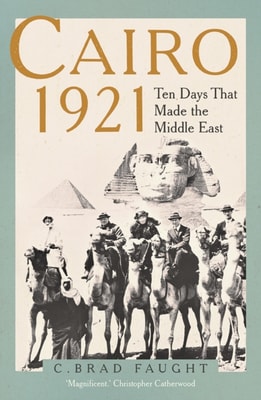
The first comprehensive history of the 1921 Cairo Conference which reveals its enduring impact on the modern Middle East Called by Winston Churchill in 1921, the Cairo Conference set out to redraw the map of the Middle East in the wake of the First World War and the collapse of the Ottoman Empire.