The 2006 elections for the Palestinian Legislative Council, the first in which both Fatah and Hamas fielded candidates, resulted in a resounding victory for Hamas.
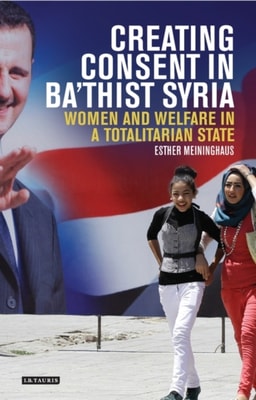
The challenge of maintaining dictatorial regimes through control, co-option and coercion while upholding a facade of legitimacy is something that has concerned leaders throughout the Middle East and beyond.
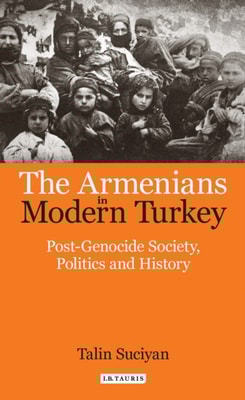
After the Armenian genocide of 1915, in which over a million Armenians died, thousands of Armenian-Turks lived and worked in the Turkish state alongside those who had persecuted their communities.
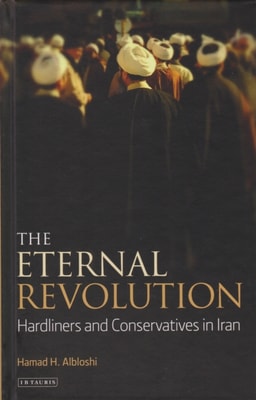
Since the Revolution of 1978/79, which eventually brought to power Ayatollah Khomeini and his circle of conservative, though politically active, clerics, the relationship between Iran and the USA has represented one of the world's most complex and hostile international entanglements.
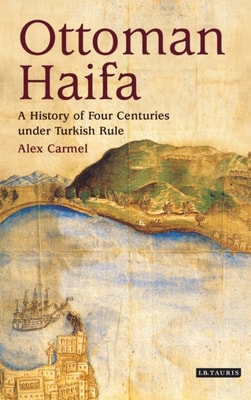
Under Ottoman rule, the city of Haifa, located at the southern point of the largest bay on the coast of what today is Israel, was transformed from a scarcely-inhabited fortress town to a major modern city.
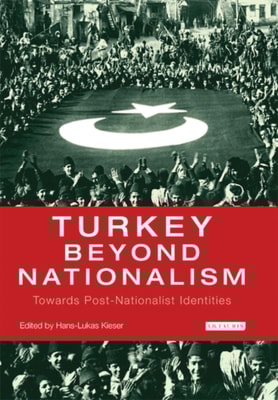
Nationalism was a defining characteristic of Turkey in the twentieth century and was a central driving force in Kemal Ataturk's foundation of the Republic in 1923.
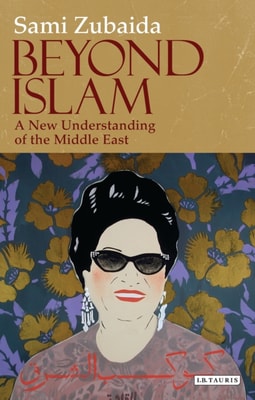
In this magisterial work, Sami Zubaida draws on a distinguished career's worth of experience trying to understand the region to address the fundamental question in Middle East studies: what is the Middle East?
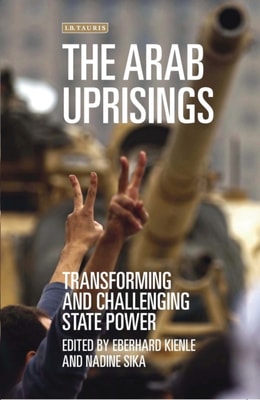
The uprisings which spread across the Middle East and North Africa in late 2010 and 2011 irrevocably altered the way in which the region is now perceived.
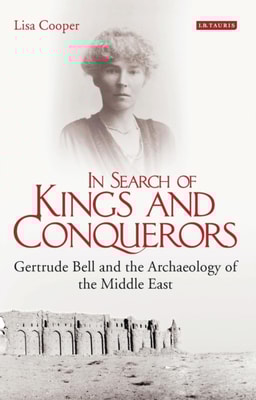
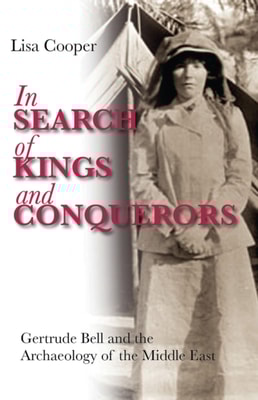
At the height of her career, Bell journeyed into the heart of the Middle East retracing the steps of the ancient rulers who left tangible markers of their presence in the form of castles, palaces, mosques, tombs and temples.
After the creation of the State of Israel in 1948, Palestinian refugees fled over the border into Jordan, which in 1950 formally annexed the West Bank.
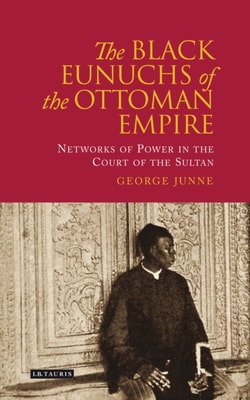
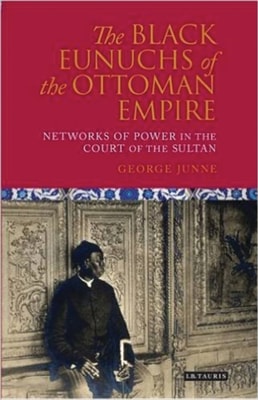
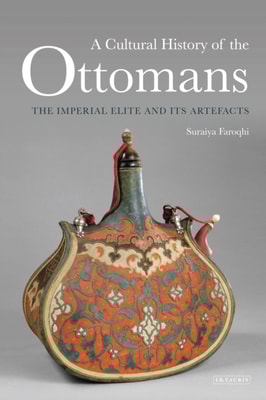
The Chief Black Eunuch, appointed personally by the Sultan, had both the ear of the leader of a vast Islamic Empire and held power over a network of spies and informers, including eunuchs and slaves throughout Constantinople and beyond.
In this book, Ahmed Tohamy analyses the often-neglected trajectory that led up to the protests in Egypt that culminated in the fall of Hosni Mubarak in February 2011.
Economic aid is one of the cornerstones of the Egyptian-American relationship, and plays a significant role in promoting US policy objectives in the Middle East.
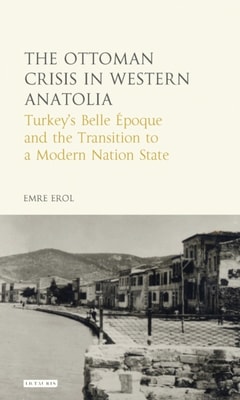
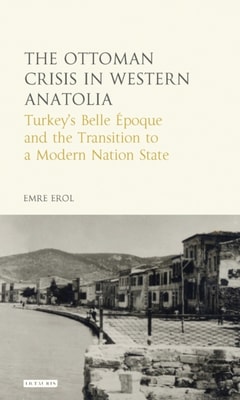
Ottoman Turkey's coastal provinces in the early nineteenth century were economic powerhouses, teeming with innovation, wealth and energy a legacy of the Ottoman s outward-looking and trade-orientated diplomacy.
This is the story of the House of Osman, the imperial dynasty that ruled the Ottoman Empire for more than seven centuries, an empire that once stretched from central Europe to North Africa and from Persia to the Adriatic.
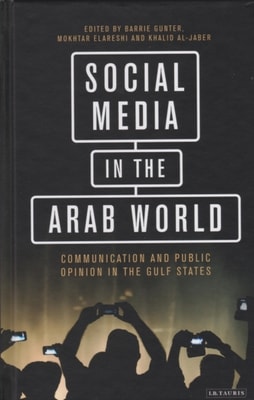
Following the Arab Spring, the use of social media has become instrumental in organising activist movements and spreading political dissent in the Middle East.
The Mediterranean sea has been a key geopolitical territory in the global international relations of the twentieth century; of crucial importance to the US, the Middle East and in the history of the EU.
Ottoman Turkey's coastal provinces in the early nineteenth century were economic powerhouses, teeming with innovation, wealth and energy a legacy of the Ottoman s outward-looking and trade-orientated diplomacy.
The Chief Black Eunuch, appointed personally by the Sultan, had both the ear of the leader of a vast Islamic Empire and held power over a network of spies and informers, including eunuchs and slaves throughout Constantinople and beyond.
At the height of her career, Bell journeyed into the heart of the Middle East retracing the steps of the ancient rulers who left tangible markers of their presence in the form of castles, palaces, mosques, tombs and temples.
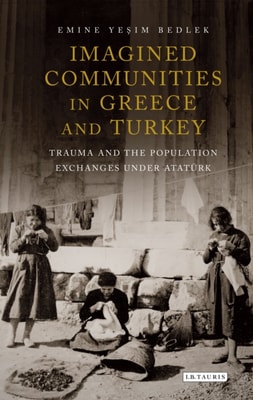
In 1923 the Turkish government, under its new leader Kemal Ataturk, signed a renegotiated Balkan Wars treaty with the major powers of the day and Greece.
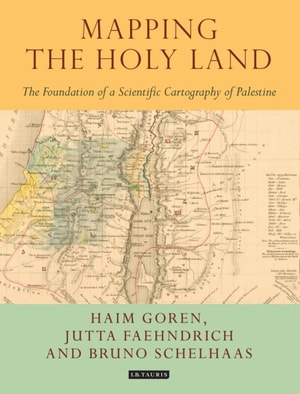
Through a detailed study of the work of three of the leading figures of the era - Augustus Petermann, Physical Geographer Royal to Queen Victoria; cartographer Charles Meredith van de Velde, who produced the finest map of the region at the time; and Edward Robinson, founder of modern Palestinology - the authors explore the complex cultural, cartographic and technical processes that shaped and determined the resulting maps of the region.
The challenge of maintaining dictatorial regimes through control, co-option and coercion while upholding a facade of legitimacy is something that has concerned leaders throughout the Middle East and beyond.