Azerbaijan's Soviet and post-Soviet political history has been tumultuous and varied, particularly with regard to the struggle for independence, democracy and sovereignty.
The relationship between Islam and the West has frequently been subject to misunderstanding and mistrust and recent events in the international arena have only deepened this perceived divide, culturally and politically.
The Arab media is in the midst of a revolution that will inform questions of war and peace in the Middle East, political and societal reform, and relations between the West and the Arab World.
Debates on the relationship between Islam and the West rage on, from talk of clashing civilizations to political pacification, from ethical and historical perspectives to distrust, xenophobia and fear.
Most analysts agree that Turkey's foreign policy is essentially peaceful, using diplomacy and multilateralism in the resolution of its conflicts with other states.
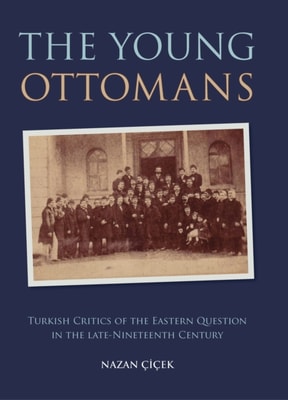
The Eastern Question, as it was termed by the European Powers in the nineteenth century, was a debate primarily concerned with the issue of 'what to do with the Turk?
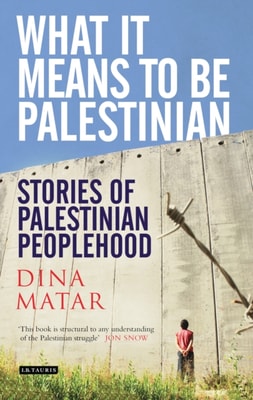
"e;What It Means to be Palestinian"e; is a narrative of narratives, a collection of personal stories, remembered feelings and reconstructed experiences by different Palestinians whose lives were changed and shaped by history.
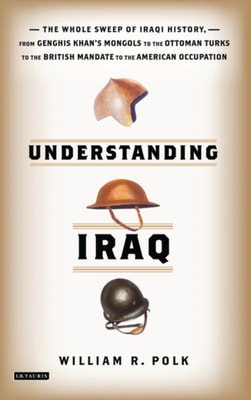
The assault on Samarra, which was built in the period of the Abbasid caliphate in the ninth century CE, therefore came to represent for many a symbol of the destructive civil conflict which engulfed Iraq following the 2003 US-led invasion.
From Mandate Palestine to refugee camps in Jordan today, generations of Palestinians have been affected by the reach of the state into their everyday lives.
In the midst of turmoil in the Middle East, and in the face of protests and demonstrations from Homs to Damascus and other places all over Syria, the Ba'th Party and Bashar al-Asad are truly caught up in a struggle to hold onto power in Syria.
In recent years there has been a remarkable surge in Iranian films expressing contentious issues which would otherwise be very difficult to discuss publicly inside the Islamic Republic of Iran - such as the role of clergy in Iranian society.
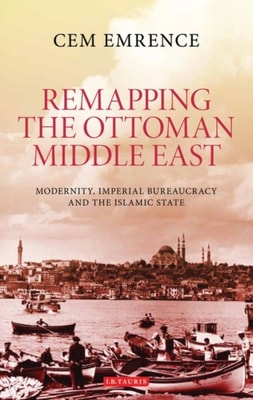
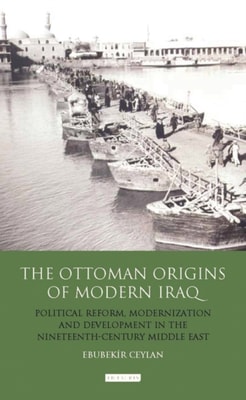
As a result of the various reforms of the mid-nineteenth century Tanzimat ('reorganisation') era, Ottoman authority in Iraq was much stronger and better administered by the 1870s, than it had been when the Ottomans imposed direct rule over the region in the 1830s.
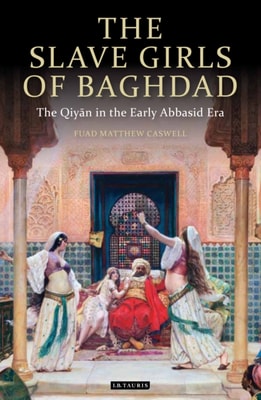
The history of courtesans and slave girls in the medieval Arab world transcends traditional boundaries of study and opens up new fields of sociological and cultural enquiry.
The decisive consequences of the Young Turk Revolution of 1908 had ramifications over the entire Ottoman Empire - and the Ottoman territory of Palestine was no exception.
Once hailed as 'the eternal state', the Ottoman Empire was in decline by the end of the nineteenth century, finally collapsing under the pressures of World War I.
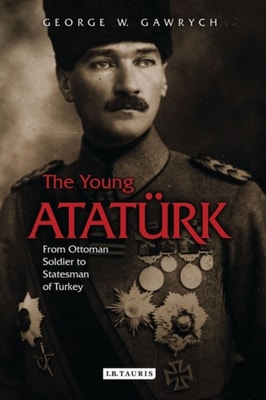
Winner of a 2014 Distinguished Book Award from The Society of Military History and Shortlisted for the 2014 Longman-History Today Book Prize Mustafa Kemal - latterly and better known as Ataturk - is without doubt the most famous figure in modern Turkish history.
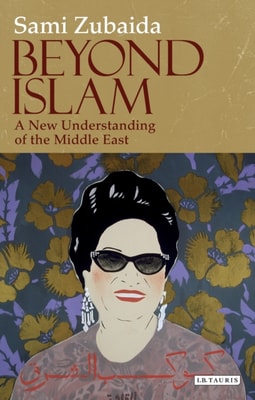
In this magisterial work, Sami Zubaida draws on a distinguished career's worth of experience trying to understand the region to address the fundamental question in Middle East studies: what is the Middle East?
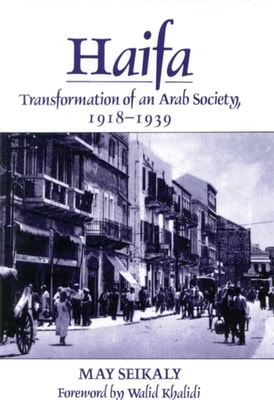
This text looks at the process by which the Arab community of Haifa was transformed during a crucial period in the history of modern Palestine by British mandatory rule, the advent of Zionism and internal dynamics.
The grand narrative of "The Young Turk Legacy and Nation Building" is that of the essential continuity of the late Ottoman Empire with the Republic of Turkey that was founded in 1923.
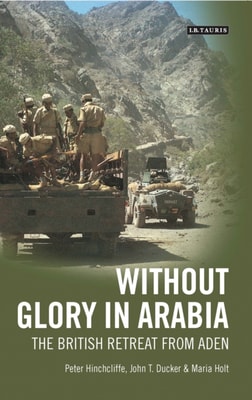
'So we left without glory but without disaster ' Sir Humphrey Trevelyan, the last High Commissioner of the Federation of South ArabiaIn 1967, 139 years after their arrival in Aden, the British withdrew from the southern tip of the Arabian Peninsula.
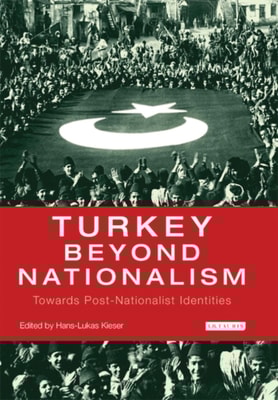
Nationalism was a defining characteristic of Turkey in the twentieth century and was a central driving force in Kemal Ataturk's foundation of the Republic in 1923.
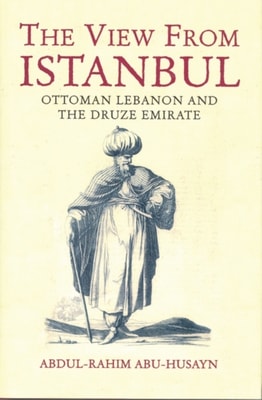
In 1860, Damascus was a sleepy provincial capital of the weakening Ottoman Empire, a city defined in terms of its relationship to the holy places of Islam in the Arabian Hijaz and its legacy of Islamic knowledge.
For centuries, the food and culinary delights of the Byzantine empire - centred on Constantinople - have captivated the west, although it appeared that very little information had been passed down to us.
'The best travel guide to Istanbul' - The TimesPractical and informative, readable and vividly described, this is the definitive guide to and story of Istanbul, by those who know it best.
The Qajar Pact explores new perspectives on the nineteenth-century Iranian state and society, and is the first broad study of lower social groups in this period.
The Safavid dynasty originated as a fledgling apocalyptic mystical movement based in Iranian Azarbaijan, and grew into a large, cosmopolitan Irano-Islamic empire stretching from Baghdad to Herat.
The complex relationship between Syria and Lebanon is the political fulcrum of the Middle East, and has dominated headlines since the withdrawal of French colonial forces from the Levant in 1943.
Nationalism, nation-building and 'defensive modernisation' were the main themes of the 'cultural revolution' underpinning the totalitarian and secular regimes of Ataturk and Reza Shah which replaced the traditional Qajar state of Iran and the long-declining Ottoman Empire.