The first decade of independence (1943-1952) was crucial to the political history of Lebanon, following the creation of the state in 1920 and the subsequent years of French tutelage.
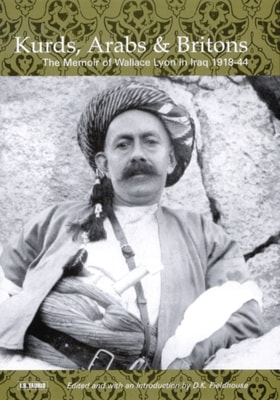
Wallace Lyon was Provincial Administrator and Administrative Inspector in northern Iraq - an area known unofficially as 'Kurdistan' - between 1918 and 1945.
The Bakhtiyari are one of the most important nomadic societies in the Middle East but although this tribe has many powerful romantic associations it has also been the subject of much misunderstanding, even today.
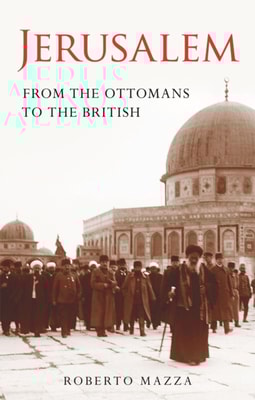
Led by General Allenby, British troops entered Jerusalem in December 1917, thereby ending Ottoman rule and opening a new and important era in the history of Jerusalem.
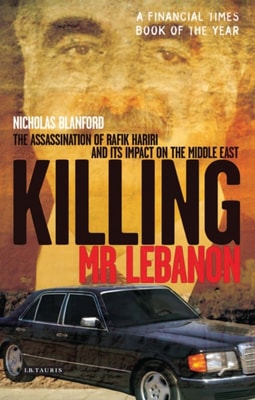
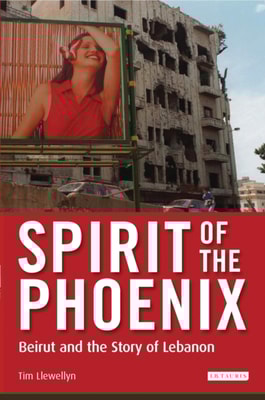
On Valentine's Day 2005 former Lebanese PM Rafik Hariri, nicknamed 'Mr Lebanon' for his local power and patronage, was killed by a massive explosion as he drove along the Beirut seafront.
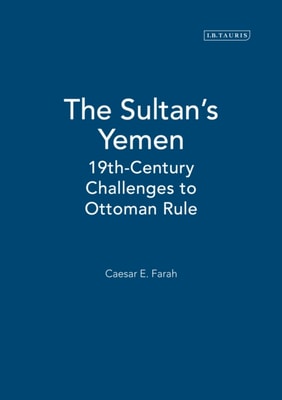
In the 19th century, when the Ottoman Empire restored direct rule over Yemen, the resulting turmoil came to threaten the security of the entire Arabian Peninsula.
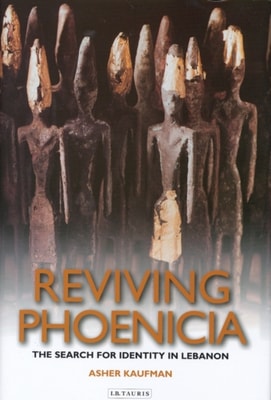
Reviving Phoenicia follows the social, intellectual and political development of the Phoenician myth of origin in Lebanon from the middle of the nineteenth century to the end of the twentieth.
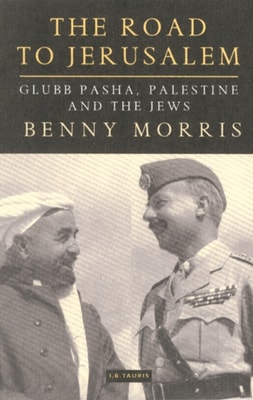
General Sir John Glubb, the last British pro-Consul in the region, could be seen as midwife to the birth of the modern Middle East - a birth as painful and tortuous as its subsequent history.
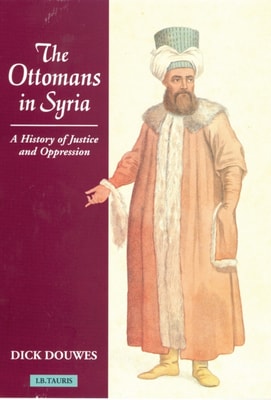
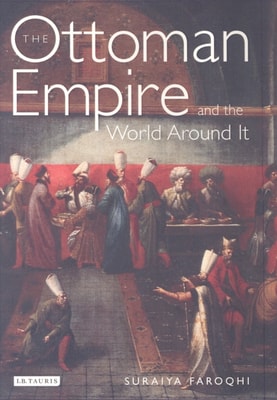
The Ottoman state administered vast and complex territories and its main task was the maintenance of justice _adalet_ the key concept of government in the Ottoman view of society and state.
In Islamic law the world was made up of the 'House of Islam' and the 'House of War' with the Ottoman Sultan - successor to the early Caliphs - as supreme ruler of the Islamic world.
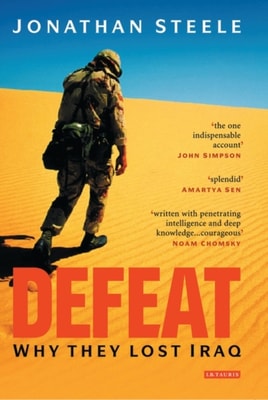
In the West, the Iraqi invasion of Kuwait in August 1990 and later Saddam Husain's political survival following a punishing defeat in war have been greeted with bewilderment and incomprehension.
Gandhi's involvement in Middle Eastern politics is largely forgotten yet it goes to the heart of his teaching and ambition - to lead a united freedom movement against British colonial power.
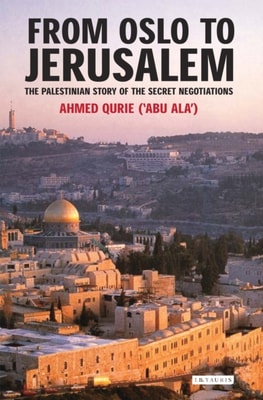
With the Israeli-Palestinian Peace process still unresolved, the man who led the emerging Palestinian state through the turbulent post-Arafat era, former Prime Minister Ahmed Qurie, unveils for the first time his record of the 1993 Oslo negotiations which led to this point.
Although today the region is mostly identified with Islam, it has been home to many other great cultures, and the civilization of the Islamic world is itself indebted to the various peoples that the Arabs subdued in the 7th and 8th centuries.
In its transition from 18th century capital of the Ottoman Empire to economic powerhouse of the Turkish Republic, the city of Istanbul has been transformed beyond recognition.
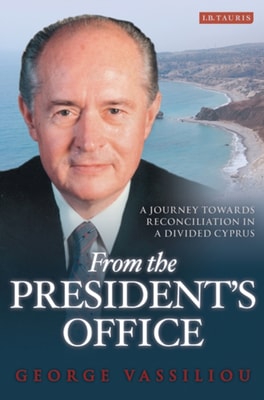
In 1974 the Greek colonels ousted the Greek-Cypriot leader of Cyprus, Archbishop Makarios, and Turkey retaliated by invading and seizing a third of the island.
For more than two centuries following its formation in 1581, the Levant Company enjoyed a monopoly of British trade with the Ottoman Empire and provided Britain's diplomatic representation at the Sultan's court and throughout the Ottoman territories.
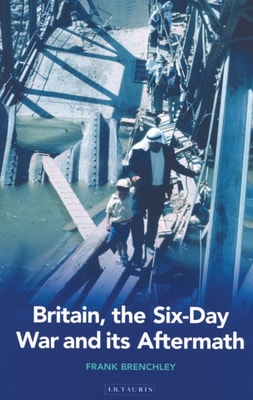
Britain's reputation in the Middle East had been reduced to shreds by the fiasco of the Suez War in 1956 but by 1967 - as a result of quiet diplomacy and long-standing contact with the region - recovery seemed possible.