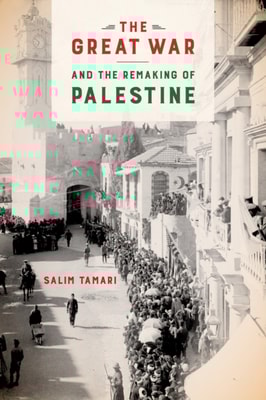
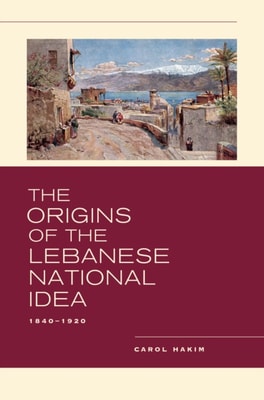
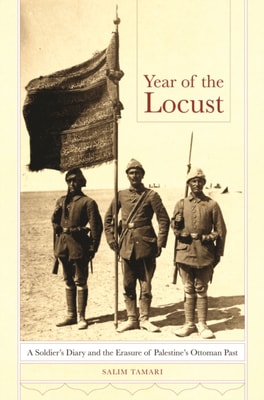
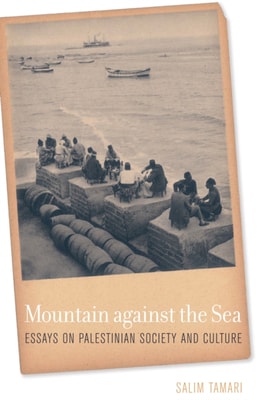
This rich history of Palestine in the last decade of the Ottoman Empire reveals the nation emerging as a cultural entity engaged in a vibrant intellectual, political, and social exchange of ideas and initiatives.
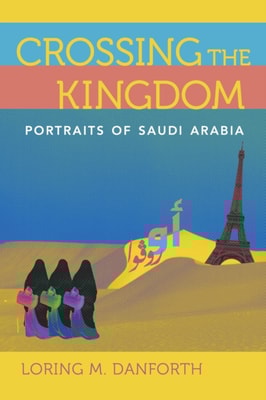
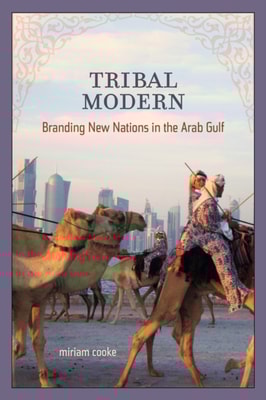
For many people, the Kingdom of Saudi Arabia evokes images of deserts, camels, and oil, along with rich sheikh in white robes, oppressed women in black veils, and terrorists.
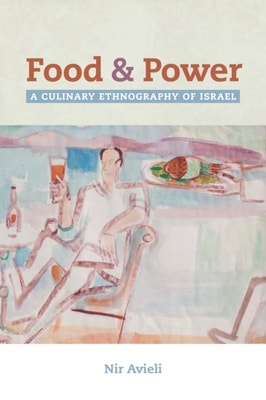
Drawing on ethnography conducted in Israel since the late 1990s,Food and Powerconsiders how power is produced, reproduced, negotiated, and subverted in the contemporary Israeli culinary sphere.
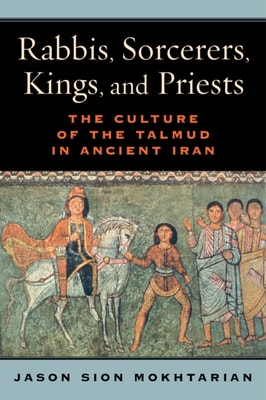
Rabbis, Sorcerers, Kings, and Priests examines the impact of the Persian Sasanian context on the Babylonian Talmud, perhaps the most important corpus in the Jewish sacred canon.
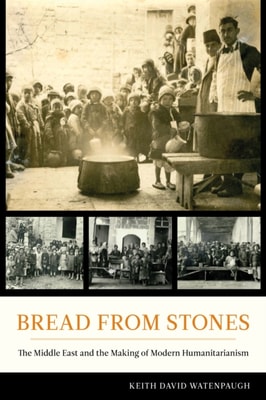
Bread from Stones, a highly anticipated book from historian Keith David Watenpaugh, breaks new ground in analyzing the theory and practice of modern humanitarianism.
Sustaining Conflict develops a groundbreaking theory of political apathy, using a combination of ethnographic material, narrative, and political, cultural, and feminist theory.
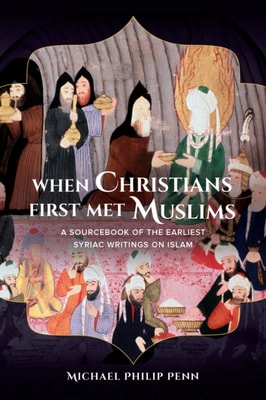
The first Christians to meet Muslims were not Latin-speaking Christians from the western Mediterranean or Greek-speaking Christians from Constantinople but rather Christians from northern Mesopotamia who spoke the Aramaic dialect of Syriac.
From the fall of the Ottoman Empire through the Arab Spring, this completely revised and updated edition of Mehran Kamrava's classic treatise on the making of the contemporary Middle East remains essential reading for students and general readers who want to gain a better understanding of this diverse region.
In this pioneering history of transportation and communication in the modern Middle East, On Barak argues that contrary to accepted wisdom technological modernity in Egypt did not drive a sense of time focused on standardization only.
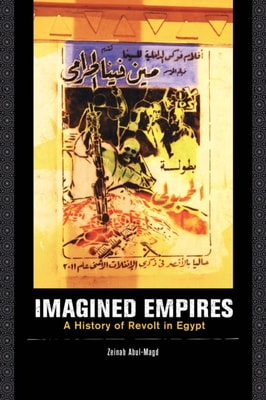
Through a microhistory of a small province in Upper Egypt, this book investigates the history of five world empires that assumed hegemony in Qina province over the last five centuries.
Tracing the rise of evangelicalism and the decline of mainline Protestantism in American religious and cultural lifeHow did American Christianity become synonymous with conservative white evangelicalism?
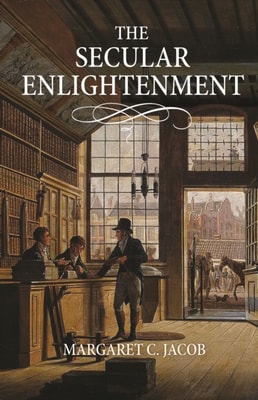
A major new history of how the Enlightenment transformed people's everyday livesThe Secular Enlightenment is a panoramic account of the radical ways that life began to change for ordinary people in the age of Locke, Voltaire, and Rousseau.
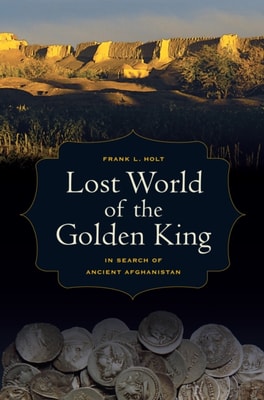
Drawing on ancient historical writings, the vast array of information gleaned in recent years from the study of Hellenistic coins, and startling archaeological evidence newly unearthed in Afghanistan, Frank L.
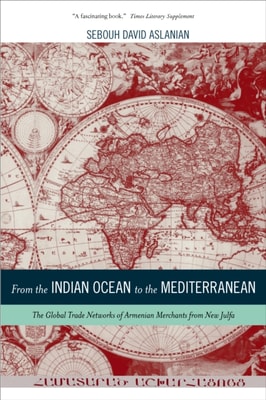
Drawing on a rich trove of documents, including correspondence not seen for 300 years, this study explores the emergence and growth of a remarkable global trade network operated by Armenian silk merchants from a small outpost in the Persian Empire.
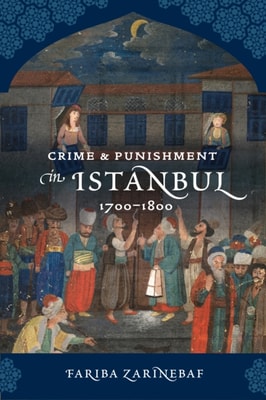
This vividly detailed revisionist history exposes the underworld of the largest metropolis of the early modern Mediterranean and through it the entire fabric of a complex, multicultural society.
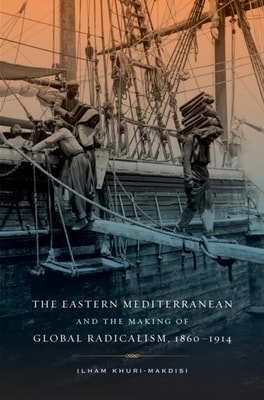
In this groundbreaking book, Ilham Khuri-Makdisi establishes the existence of a special radical trajectory spanning four continents and linking Beirut, Cairo, and Alexandria between 1860 and 1914.
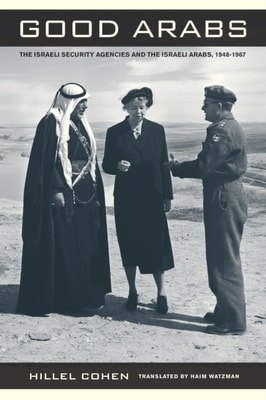
Based on his reading of top-secret files of the Israeli police and the prime minister's office, Hillel Cohen exposes the full extent of the crucial, and, until now, willfully hidden history of Palestinian collaboration with Israelis-and of the Arab resistance to it.
This groundbreaking study illuminates the Egyptian experience of modernity by critically analyzing the foremost medium through which it was articulated: history.
In light of the widespread public perception of incompatibility between Islam and Christianity, this book provides a much-needed straightforward comparison of these two great faith traditions from a broad theological perspective.
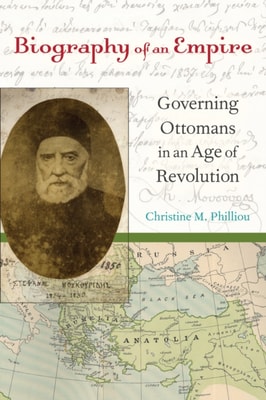
This vividly detailed revisionist history opens a new vista on the great Ottoman Empire in the early nineteenth century, a key period often seen as the eve of Tanzimat westernizing reforms and the beginning of three distinct histories-ethnic nationalism in the Balkans, imperial modernization from Istanbul, and European colonialism in the Middle East.
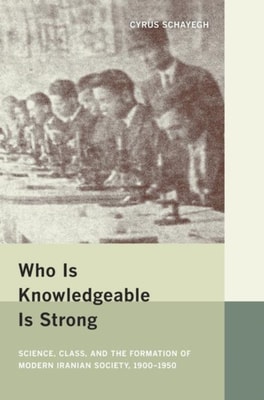
In Who Is Knowledgeable Is Strong, Cyrus Schayegh tells two intertwined stories: how, in early twentieth-century Iran, an emerging middle class used modern scientific knowledge as its cultural and economic capital, and how, along with the state, it employed biomedical sciences to tackle presumably modern problems like the increasing stress of everyday life, people's defective willpower, and demographic stagnation.
This multifaceted study of Syrian immigration to the United States places Syrians- and Arabs more generally-at the center of discussions about race and racial formation from which they have long been marginalized.
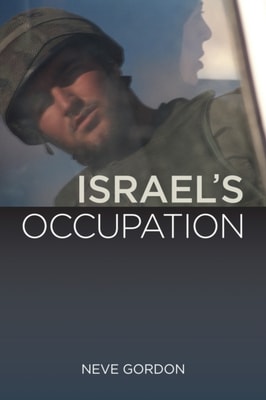
This first complete history of Israel's occupation of the West Bank and the Gaza Strip allows us to see beyond the smoke screen of politics in order to make sense of the dramatic changes that have developed on the ground over the past forty years.
This epic biography, a gripping insider's account, is a long-overdue chronicle of the life and times of Mohammad Reza Shah, who ruled from 1941 to 1979 as the last Iranian monarch.
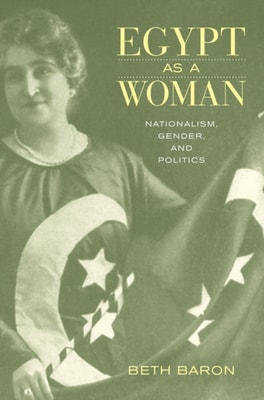
This original and historically rich book examines the influence of gender in shaping the Egyptian nation from the nineteenth century through the revolution of 1919 and into the 1940s.
This timely and critically important work does what hostilities in the Middle East have made nearly impossible: it offers a measured, internal perspective on Palestinian politics, viewing emerging political patterns from the Palestinian point of view rather than through the prism of the Arab-Israeli conflict.
Focusing on gender and the family, this erudite and innovative history reconsiders the origins of Egyptian nationalism and the revolution of 1919 by linking social changes in class and household structure to the politics of engagement with British colonial rule.