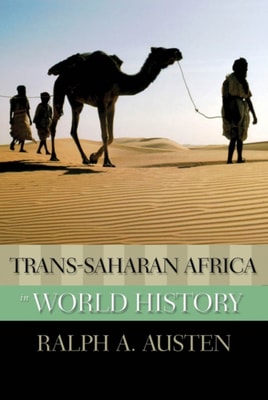
During the heyday of camel caravan traffic--from the eighth century CE arrival of Islam in North Africa to the early twentieth-century building of European colonial railroads that linked the Sudan with the Atlantic--the Sahara was one of the world's great commercial highways, bringing gold, slaves, and other commodities northward and sending both manufactured goods and Mediterranean culture southward into the Sudan.
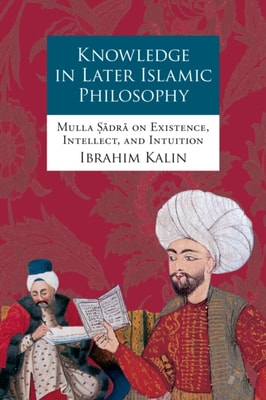
This study looks at how the seventeenth-century philosopher Sadr al-Din al-Shirazi, known as Mulla Sadra, attempted to reconcile the three major forms of knowledge in Islamic philosophical discourses: revelation (Qur'an), demonstration (burhan), and gnosis or intuitive knowledge ('irfan).
With this major revision of his classic The Middle East and the West (1964), a leading Middle East historian of our time offers a definitive and now more-timely-than-ever history of Western-Middle Eastern relations from the late seventeenth century to the present day.
In the last decade of the twentieth century and on into the twenty-first, Israelis and Palestinians saw the signing of the Oslo Peace Accords, the establishment of the Palestinian Authority, the assassination of Israeli Prime Minister Yitzhak Rabin, and the escalation of suicide bombings and retaliations in the region.
Amanda Podany here takes readers on a vivid tour through a thousand years of ancient Near Eastern history, from 2300 to 1300 BCE, paying particular attention to the lively interactions that took place between the great kings of the day.
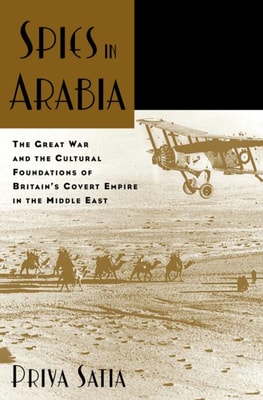
At the dawn of the twentieth century, British intelligence agents began to venture in increasing numbers to the Arab lands of the Ottoman Empire, a region of crucial geopolitical importance spanning present-day Iraq, Jordan, Syria, and Saudi Arabia.
Europe's Angry Muslims traces the routes, expectations and destinies of immigrant parents and the plight of their children, transporting both the general reader and specialist from immigrants' ancestral villages to their new enclaves in Europe.
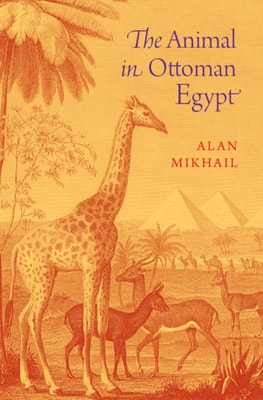
In 1517, the Ottoman Sultan Selim "e;the Grim"e; conquered Egypt and brought his empire for the first time in history into direct contact with the trading world of the Indian Ocean.
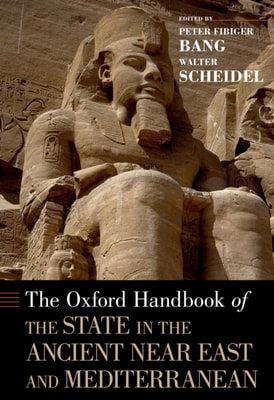
The Oxford Handbook of the State in the Ancient Near East and Mediterranean offers a comprehensive survey of ancient state formation in western Eurasia and North Africa.
On a cold February morning in 1987, amidst freezing rain and driving winds, a group of protesters stood outside of the Unitarian Universalist Church in Amherst, Massachusetts.
On a cold February morning in 1987, amidst freezing rain and driving winds, a group of protesters stood outside of the Unitarian Universalist Church in Amherst, Massachusetts.
In this study of everyday religious culture in early modern Syria and Palestine, James Grehan offers a social history that looks beyond conventional ways of thinking about religion in the Middle East.
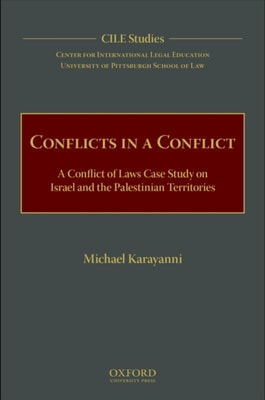
Conflicts in a Conflict outlines and analyzes the legal doctrines instructing the Israeli courts in private and civil disputes involving the Occupied Palestinian Territories of the West Bank and the Gaza Strip, since 1967 until the present day.
A number of passages in the Qur'an criticize Jews and Christians, from claims of exclusive salvation and charges of Jewish and Christian falsification of revelation to cautions against the taking of Jews and Christians as patrons, allies, or intimates.
While much of the international community regards the forced deportation of Armenian subjects of the Ottoman Empire in 1915, where approximately 800,000 to 1.
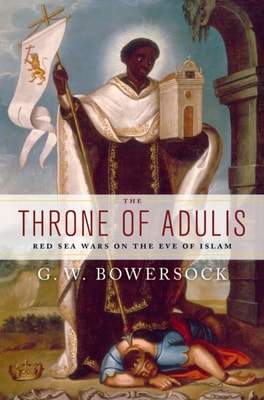
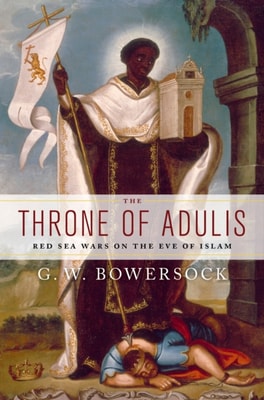
Just prior to the rise of Islam in the sixth century AD, southern Arabia was embroiled in a violent conflict between Christian Ethiopians and Jewish Arabs.
Just prior to the rise of Islam in the sixth century AD, southern Arabia was embroiled in a violent conflict between Christian Ethiopians and Jewish Arabs.
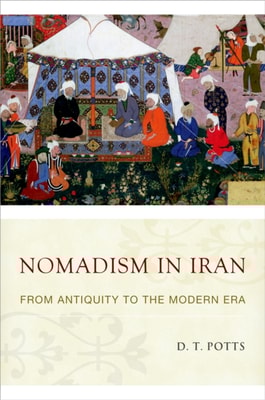
The classic images of Iranian nomads in circulation today and in years past suggest that Western awareness of nomadism is a phenomenon of considerable antiquity.
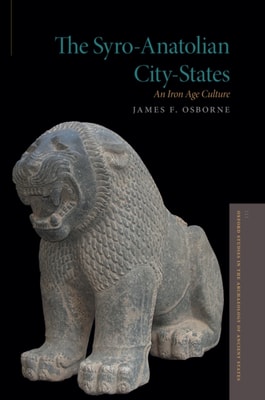
This book presents a new model for understanding the collection of ancient kingdoms that surrounded the northeast corner of the Mediterranean Sea from the Cilician Plain in the west to the upper Tigris River in the east, and from Cappadocia in the north to western Syria in the south, during the Iron Age of the ancient Near East (ca.
Beginning in Inner Asia two thousand years ago, the Turks have migrated and expanded to form today's Turkish Republic, five post-Soviet republics, other societies across Eurasia, and a global diaspora.