A critical resource for literacy educators and graduate students, this volume investigates key moments in the development of literacy education and provides a much-needed overview of where, when, and how efforts to shape education influence literacy teaching, as well as what literacy educators can do to advocate for themselves, their students, and the profession.
A critical resource for literacy educators and graduate students, this volume investigates key moments in the development of literacy education and provides a much-needed overview of where, when, and how efforts to shape education influence literacy teaching, as well as what literacy educators can do to advocate for themselves, their students, and the profession.
This Handbook, with 45 chapters written by the world's leading scholars in second language acquisition (SLA) and language testing, dives into the important interface between SLA and language testing: shared ground where researchers seek to measure second language performance to better understand how people learn their second languages.
This Handbook, with 45 chapters written by the world's leading scholars in second language acquisition (SLA) and language testing, dives into the important interface between SLA and language testing: shared ground where researchers seek to measure second language performance to better understand how people learn their second languages.
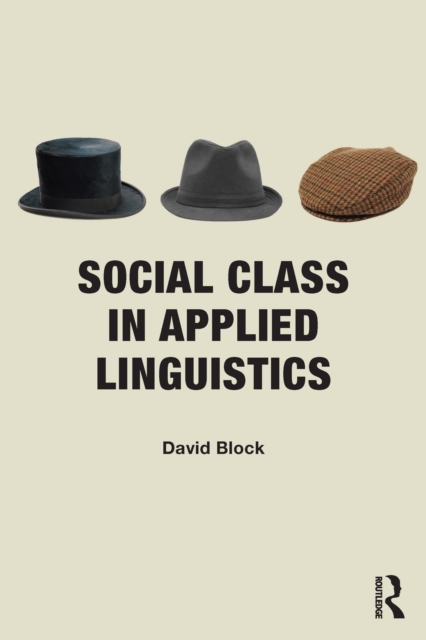
This volume is an orchestrated critique of the notion that individuals from lower socioeconomic status communities have inferior language skills as compared to middle- and upper-class groups.
This volume is an orchestrated critique of the notion that individuals from lower socioeconomic status communities have inferior language skills as compared to middle- and upper-class groups.
The Routledge Handbook of Plurilingual Language Education is the first comprehensive publication on plurilingualism, offering a multidimensional reflection on the nature, scope, and potential of plurilingualism in language education and society.
The Routledge Handbook of Plurilingual Language Education is the first comprehensive publication on plurilingualism, offering a multidimensional reflection on the nature, scope, and potential of plurilingualism in language education and society.
Drawing together linguists' and psychologists' approaches to the study of bilingualism, this innovative and engaging volume provides students with a firm grounding in bilingual acquisition and development.
An increasingly important field of research within multilingualism and sociolinguistics, Family Language Policy (FLP) investigates the explicit and overt planning of language use within the home and among family members.
An increasingly important field of research within multilingualism and sociolinguistics, Family Language Policy (FLP) investigates the explicit and overt planning of language use within the home and among family members.
Translating in Town uncovers administrative and cultural multilingualism and translation practices in multilingual European communities during the long 19th century.
Translating in Town uncovers administrative and cultural multilingualism and translation practices in multilingual European communities during the long 19th century.
Examining the motivational development of Japanese language learners, this book investigates the relationship between their future self-image as Japanese speakers and their broader self-image as multilingual individuals.
Examining the motivational development of Japanese language learners, this book investigates the relationship between their future self-image as Japanese speakers and their broader self-image as multilingual individuals.
Rethinking Multilingual Writers in Higher Education: An Institutional Case Study explores the complexities of multilingual students as language users and learners, emphasizing the distinctive assets that they bring to their education and the ways in which institutions of higher education can better meet their needs.
This book throws light on ideologies, practices and sociocultural developments currently shaping language use in Japan by departing from the more common investigation of language in private contexts and examining aspects of the language found in a range of significant public spaces, from the material (an international airport, the streets of Tokyo, the JSL classroom in Japan and courtrooms) to the electronic (television dramas, local government web pages and cyberspace).
This book throws light on ideologies, practices and sociocultural developments currently shaping language use in Japan by departing from the more common investigation of language in private contexts and examining aspects of the language found in a range of significant public spaces, from the material (an international airport, the streets of Tokyo, the JSL classroom in Japan and courtrooms) to the electronic (television dramas, local government web pages and cyberspace).
This volume covers the language situation in Hong Kong, Timor-Leste and Sri Lanka explaining the linguistic diversity, the historical and political contexts and the current language situation, including language-in-education planning, the role of the media, the role of religion and the roles of non-indigenous languages.
This volume covers the language situation in Hong Kong, Timor-Leste and Sri Lanka explaining the linguistic diversity, the historical and political contexts and the current language situation, including language-in-education planning, the role of the media, the role of religion and the roles of non-indigenous languages.
This book explores the transition from the era of internationalization into the era of globalization of Japan by focusing on language and identity as its central themes.
This book explores the transition from the era of internationalization into the era of globalization of Japan by focusing on language and identity as its central themes.
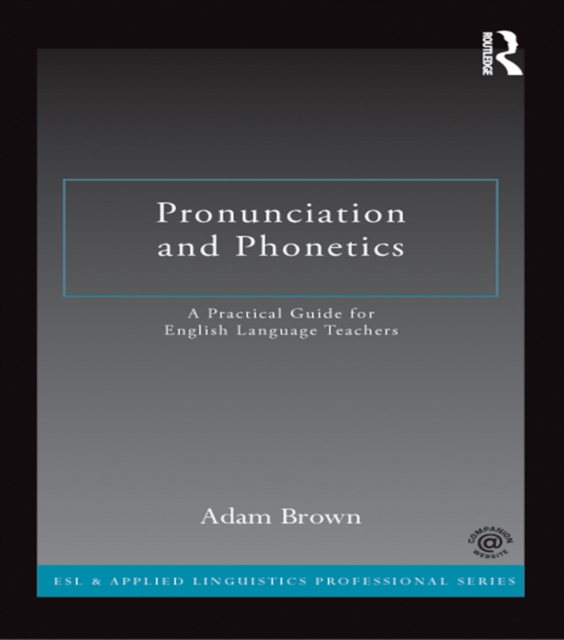
This engaging, succinct text is an introduction to both phonetics and phonology as applied to the teaching of pronunciation to English language learners.
This engaging, succinct text is an introduction to both phonetics and phonology as applied to the teaching of pronunciation to English language learners.
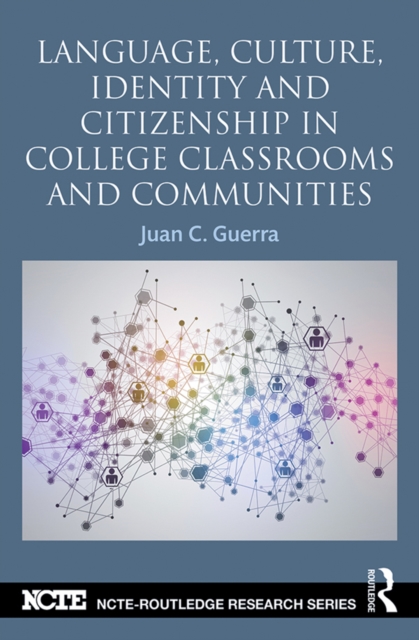
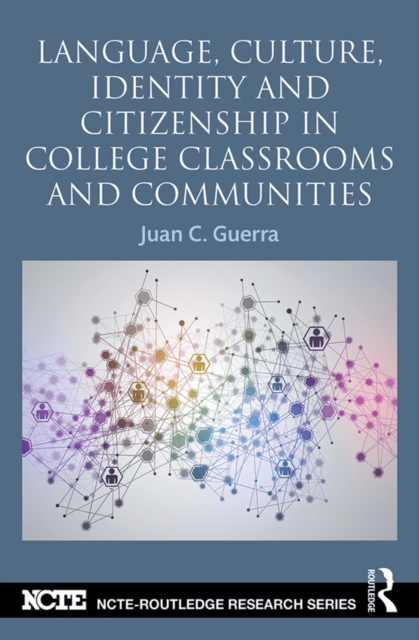
Language, Culture, Identity and Citizenship in College Classrooms and Communities examines what takes place in writing classrooms beyond academic analytical and argumentative writing to include forms that engage students in navigating the civic, political, social and cultural spheres they inhabit.
Language, Culture, Identity and Citizenship in College Classrooms and Communities examines what takes place in writing classrooms beyond academic analytical and argumentative writing to include forms that engage students in navigating the civic, political, social and cultural spheres they inhabit.