The passing of Professor Graham Stanton, former Lady Margaret chair of divinity at Cambridge University, in 2009 marked the passing of an era in Matthean scholarship and studies of early Christianity.
This study attempts to analyse the text of Hebrews with a method of discourse analysis primarily based on a form of systemic functional linguistics developed for Hellenistic Greek, but it is also informed by other linguistic studies.
IntroductionPart I The Problem of Obedience: Barth on JobChapter 1 Barth's Job as Both Right and Wrong Chapter 2 Obedience as Self-Examination: Barth on the Story of the Rich ManPart II Does Job Fear God for Naught?
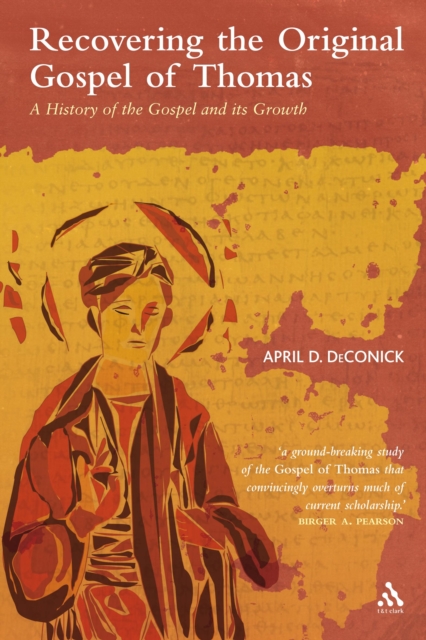
This book explores the fascinating and enigmatic collection of 114 sayings of Jesus, the 'Gospel of Thomas' that was discovered in the sands of Nag Hammadi, Egypt, in the 1940's.
This book pursues the conviction that the cosmic conflict imagery in Revelation is the primary and controlling element in the account of the aspiration of the Roman Empire and the imperial cult in Asia Minor.
Since at least the 19th century Hebrew Bible scholarship has traditionally seen priests and prophets as natural opponents, with different social spheres and worldviews.
Originally published as part of the acclaimed Sheffield Guides series, this helpful study-guide is designed to meet the needs of students and general readers in a concise, accessible and affordable format.
This book investigates Paul's effort to combat factionalism by his use of the Greco-Roman rhetoric of 'the common advantage' to overcome socio-ethical problems caused by the improper exercise of 'private advantage' in Corinth.
This collection of essays is the second volume in a projected series of five volumes that gather together recent research by leading scholars on the narrative function of embedded Jewish scripture texts (quotations or allusions) in early Christian Gospels.
This study focuses on a reading of Proverbs 1-9 as satire and argues that it alludes to two points of critique against Solomon: his political policy of socio-economic injustice and his numerous sexual (in)discretions.
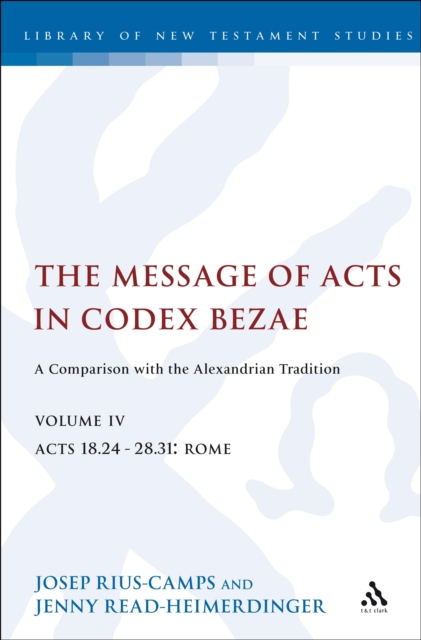
This is the final volume in the justifiably lauded four-volume commentary on the Book of Acts, presenting a fresh look at the text of Codex Bezae and comparing its message with that of the more familiar Alexandrian text - of which the Codex Vaticanus is taken as a representative.
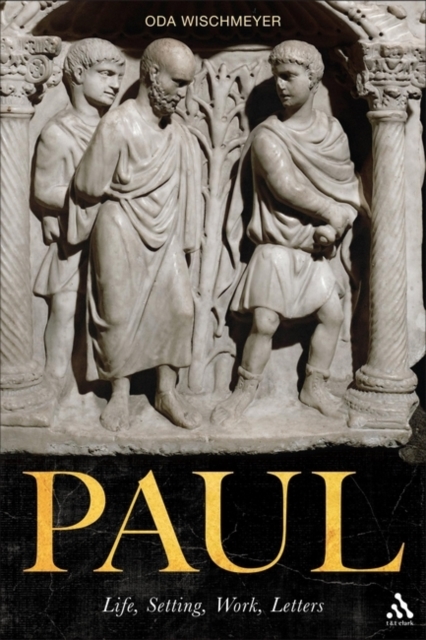
This new work aimed at upper level undergraduates provides an invaluable handbook for students seriously engaging with Paul's life, letters and context.
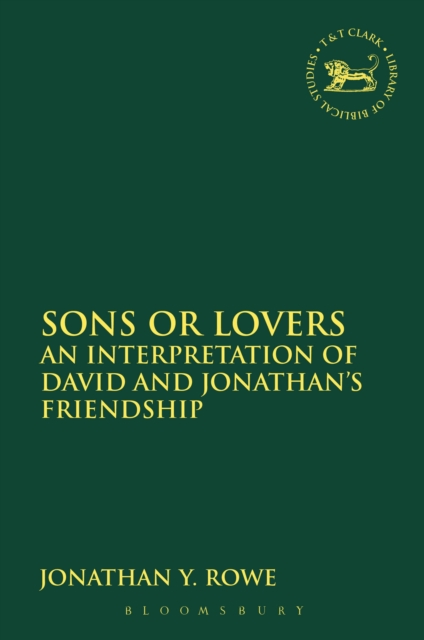
Jonathan Rowe examines David and Jonathan's friendship in the context of what ancient readers would have understood as the 'natural' loyalty to their families.
Judging by the number of references to Holy Ghost in Luke's gospel and Acts, it is no wonder that Luke is designated as the enthusiast in/for the Spirit or that the Acts of the Apostles is called the Acts of the Holy Spirit.
Paul's Critique of Theocracy offers an interpretation of select texts in Corinthians and Galatians concerned with the establishment of legitimate authority in the Christian community.
This work identifies two distinct methodological approaches in Jesus studies, as represented by the work of two prominent historical Jesus scholars, Dominic Crossan and Ben Meyer.
As a sequel to the hugely successful Jesus and the Heritage of Israel, this book brings together fourteen internationally acclaimed scholars in antiquities studies and experts on Paul and Luke.
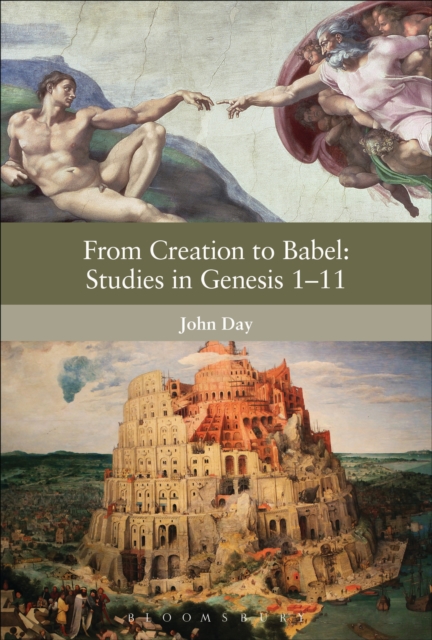
The stories of Genesis 1-11 constitute one of the better known parts of the Old Testament, but their precise meaning and background still provide many debated questions for the modern interpreter.
This book discusses the composition of the synoptic gospels from the perspective of the Farrer hypothesis, a view that posits that Mark was written first, that Matthew used Mark as a source, and that Luke used both Mark and Matthew.
New Testament theology raises many questions, not only within its own boundaries, but also in relation to other fields such as history, literary criticism, sociology, psychology, history, politics, philosophy, and religious studies.
Scholarly discussions of biblical interpretation often ignore the fact that language and literature form an integral part of a people's culture, that interpretation therefore implies the total cultural system of the relevant literature, and that biblical interpretation consequently implies inter-cultural communication.
In Matthew 5:38-42, Jesus overrides the Old Testament teaching of 'an eye for eye and a tooth for a tooth' - the Lex Talionis law - and commands his disciples to turn the other cheek.