This book adopts an integrated approach to the study of contact literature through collaboration between theories of World Englishes and translation studies.
This book explores new developments and objectives in translator education, with a focus on metacognitive aspects of both translating and learning to become a translator.
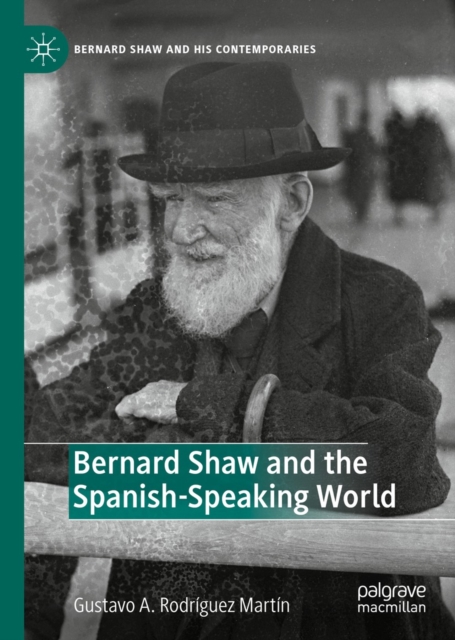
This book explores, through a multidisciplinary approach, the immense influence exerted by Bernard Shaw on the Spanish-speaking world on both sides of the Atlantic.
This book addresses the hot topic in audiovisual translation (AVT) of video game localization through the unique perspective of dubbing, an area which has so far received relatively little scholarly focus.
This book examines the history of translation under European communism, bringing together studies on the Soviet Union, including Russia and Ukraine, Yugoslavia, Hungary, East Germany, Czechoslovakia, Bulgaria, and Poland.
This collection explores the translation of dialogue from the adaptations of literary classics across audiovisual media, engaging with the question of what makes a classic through an audiovisual translation lens.
This present book explores recent advances in modeling discourse processes, in particular, new approaches aimed at understanding pathological language behavior specific to schizophrenia.
This book assembles fifteen original, interdisciplinary research chapters that explore methodological and conceptual considerations as well as user and usage studies to elucidate the relation between the translation product and translation/post-editing processes.
This book offers a unique window to the study of im/politeness by looking at a translation perspective, which offers a different set of data and allows further understanding of the phenomenon.
In this book, Sung Uk Lim examines the narrative construction of identity and otherness through ongoing interactions between Jesus and the so-called others as represented by the minor characters in the Gospel of John.
From Struwwelpeter to Peter Rabbit, from Alice to Bilbo-this collection of essays shows how the classics of children's literature have been transformed across languages, genres, and diverse media forms.
The book comprises a selection of 14 papers concerning the general theme of cultural conceptualizations in communication and translation, as well as in various applications of language.
This book investigates major linguistic transformations in the translation of children's literature, focusing on the English-language translations of Janusz Korczak, a Polish-Jewish children's writer known for his innovative pedagogical methods as the head of a Warsaw orphanage for Jewish children in pre-war Poland.
This book offers a descriptive and practical analysis of prosody in dubbed speech, examining the most distinctive traits that typify dubbed dialogue at the prosodic level.
What if our notions of the nation as a site of belonging, the home as a safe place, or the mother tongue as a means to fluent comprehension did not apply?
This textbook provides a comprehensive resource for translation students and educators embarking on the challenge of translating into and out of English and Arabic.
The Afterlife of Texts in Translation: Understanding the Messianic in Literature reads Walter Benjamin's and Jacques Derrida's writings on translation as suggesting that texts exist within a process of continual translation.
This edited book explores languages and cultures (or linguacultures) from a translation perspective, resting on the assumption that they find expression as linguacultural worldviews.
Two English-Language Translators of Jin Ping Mei examines English translations of the Ming novel Jin Ping Mei by translators from different historical periods within the Anglophone world.
This edited book contributes to the growing field of self-translation studies by exploring the diversity of roles the practice has in Spanish-speaking contexts of production on both sides of the Atlantic.
This edited collection reflects on the development of Chinese corpus-based translation and interpreting studies while emphasising perspectives emerging from a region that has traditionally been given scant consideration in English-language dominated literature.
This book explores the practical aspects of intersemiotic translation, examining how different signs and sign sets can be transposed into different kinds of semiotic forms of reference.
This book moves beyond the debate on 'wisdom literature', ongoing in biblical studies, to demonstrate the productivity of 'wisdom' as a literary category.
This book analyses an important phase in the interlingual dubbing process of audiovisual productions: the elaboration of target language scripts for the recording studios.
This Handbook maps the contours of an exciting and burgeoning interdisciplinary field concerned with the role of language and languages in situations of conflict.
This interdisciplinary edited collection establishes a new dialogue between translation, conflict and memory studies focusing on fictional texts, reports from war zones and audiovisual representations of the Spanish Civil War and the Franco Dictatorship.