This volume explores the reception of Premchand's works and his influence in the perception of India among Western cultures, especially Russian, German, French, Spanish and English.
This volume explores the reception of Premchand's works and his influence in the perception of India among Western cultures, especially Russian, German, French, Spanish and English.
From 1895 to 1915, Chinese translations of Dickens's fiction first appeared as part of a growing interest in Western literature and culture among Chinese intellectuals.
From 1895 to 1915, Chinese translations of Dickens's fiction first appeared as part of a growing interest in Western literature and culture among Chinese intellectuals.
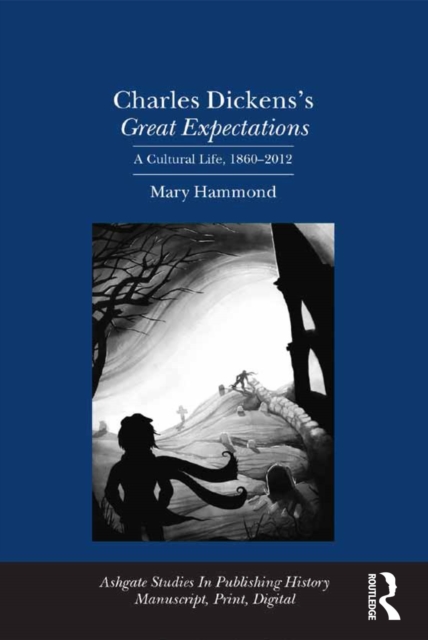
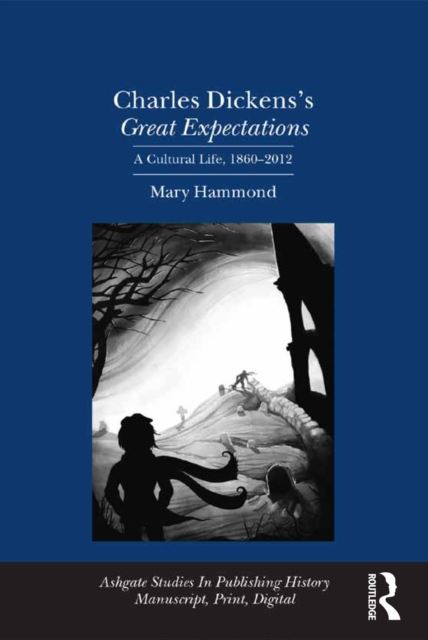
Great Expectations has had a long, active and sometimes surprising life since its first serialized appearance in All the Year Round between 1 December 1860 and 3 August 1861.
Great Expectations has had a long, active and sometimes surprising life since its first serialized appearance in All the Year Round between 1 December 1860 and 3 August 1861.
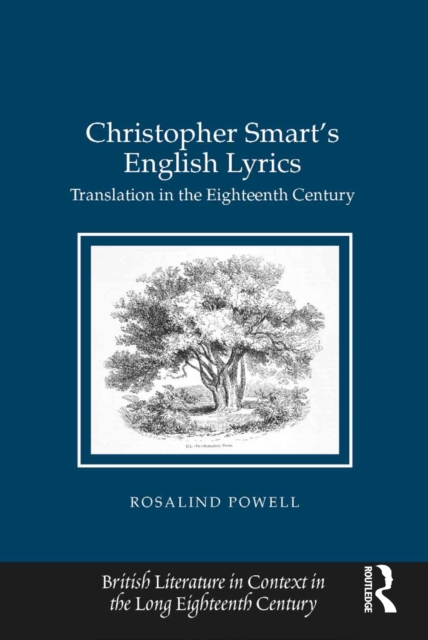
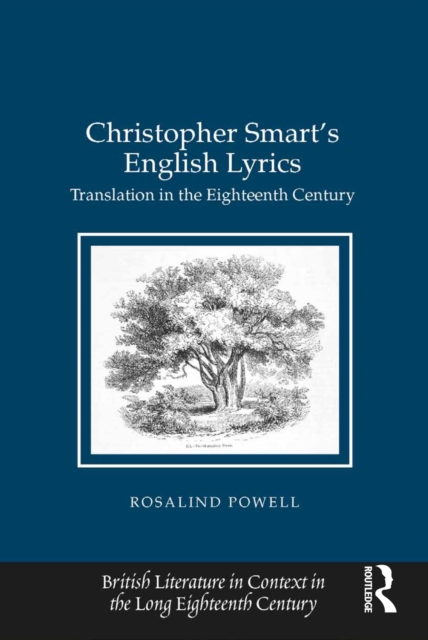
In the first full-length study of Christopher Smart's translations and the place and function of translation in Smart's poetry, Rosalind Powell proposes a new approach to understanding the relationship between Smart's poetics and his practice.
In the first full-length study of Christopher Smart's translations and the place and function of translation in Smart's poetry, Rosalind Powell proposes a new approach to understanding the relationship between Smart's poetics and his practice.
This book assembles eighteen studies by internationally renowned scholars that epitomize the latest and best advances in research on the greatest polymath in Latin Christian antiquity, Jerome of Stridon (c.
This book assembles eighteen studies by internationally renowned scholars that epitomize the latest and best advances in research on the greatest polymath in Latin Christian antiquity, Jerome of Stridon (c.
Legal lexicography or jurilexicography is the most neglected aspect of the discipline of jurilinguistics, despite its great relevance for translators, academics and comparative lawyers.
Legal lexicography or jurilexicography is the most neglected aspect of the discipline of jurilinguistics, despite its great relevance for translators, academics and comparative lawyers.
Written by distinguished legal and linguistic scholars and practitioners from the EU institutions, the contributions in this volume provide multidisciplinary perspectives on the vital role of language and culture as key forces shaping the dynamics of EU law.
Written by distinguished legal and linguistic scholars and practitioners from the EU institutions, the contributions in this volume provide multidisciplinary perspectives on the vital role of language and culture as key forces shaping the dynamics of EU law.
Machiavelli in the British Isles reassesses the impact of Machiavelli's The Prince in sixteenth-century England and Scotland through the analysis of early English translations produced before 1640, surviving in manuscript form.
Machiavelli in the British Isles reassesses the impact of Machiavelli's The Prince in sixteenth-century England and Scotland through the analysis of early English translations produced before 1640, surviving in manuscript form.
As the field of translation studies has developed, translators and translation scholars have become more aware of the unacknowledged ideologies inherent both in texts themselves and in the mechanisms that affect their circulation.
As the field of translation studies has developed, translators and translation scholars have become more aware of the unacknowledged ideologies inherent both in texts themselves and in the mechanisms that affect their circulation.
This book offers a critical edition of arguably the greatest work of English theology in the 20th century: Austin Farrer's Bampton Lectures published as The Glass of Vision in 1948.
This book offers a critical edition of arguably the greatest work of English theology in the 20th century: Austin Farrer's Bampton Lectures published as The Glass of Vision in 1948.
This volume investigates advances in the field of legal translation both from a theoretical and practical perspective, with professional and academic insights from leading experts in the field.
This volume investigates advances in the field of legal translation both from a theoretical and practical perspective, with professional and academic insights from leading experts in the field.
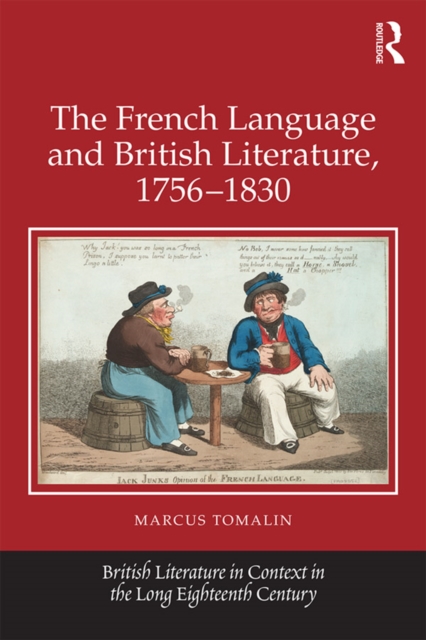
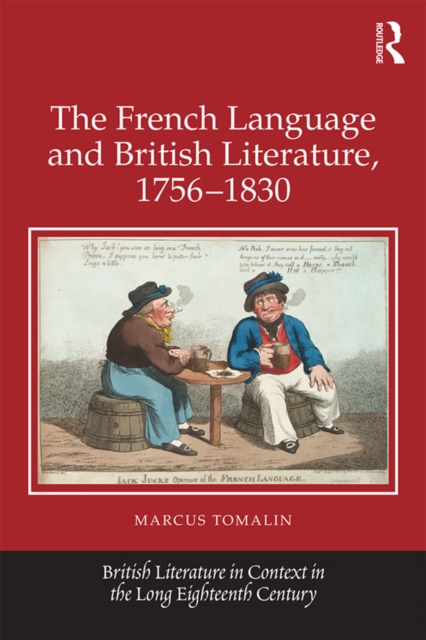
From the 1750s to the 1830s, numerous British intellectuals, novelists, essayists, poets, playwrights, translators, educationalists, politicians, businessmen, travel writers, and philosophers brooded about the merits and demerits of the French language.
From the 1750s to the 1830s, numerous British intellectuals, novelists, essayists, poets, playwrights, translators, educationalists, politicians, businessmen, travel writers, and philosophers brooded about the merits and demerits of the French language.
No religious text has influenced the world more than has the New Testament's Sermon on the Mount, and yet this crucial text still begs to be more clearly understood.
No religious text has influenced the world more than has the New Testament's Sermon on the Mount, and yet this crucial text still begs to be more clearly understood.
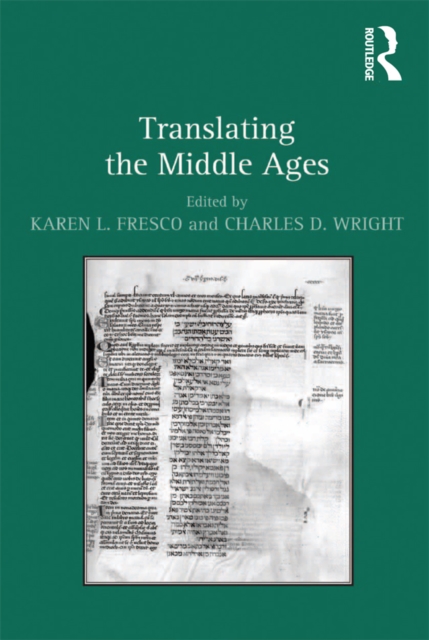
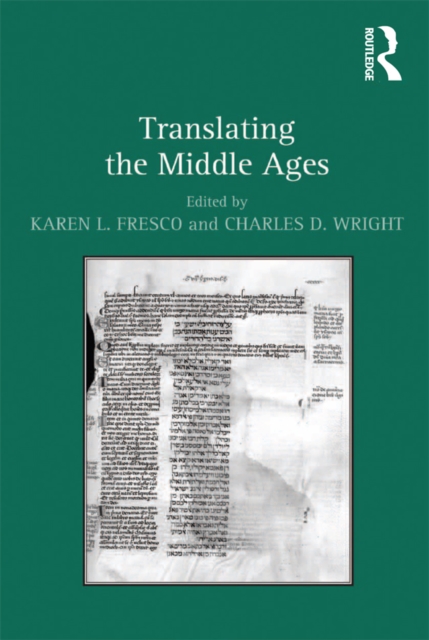
Drawing on approaches from literary studies, history, linguistics, and art history, and ranging from Late Antiquity to the sixteenth century, this collection views 'translation' broadly as the adaptation and transmission of cultural inheritance.
Drawing on approaches from literary studies, history, linguistics, and art history, and ranging from Late Antiquity to the sixteenth century, this collection views 'translation' broadly as the adaptation and transmission of cultural inheritance.
Situating itself in a long tradition of studies of Anglo-Italian literary relations in the Renaissance, this book consists of an analysis of the representation of women in the extant Elizabethan translations of the three major Italian Renaissance epic poems (Matteo Maria Boiardo's Orlando Innamorato, Ludovico Ariosto's Orlando Furioso and Torquato Tasso's Gerusalemme Liberata), as well as of the influence of these works on Elizabethan Literature in general, in the form of creative imitation on the part of poets such as Edmund Spenser, Peter Beverley, William Shakespeare and Samuel Daniel, and of prose writers such as George Whetstone and George Gascoigne.
Situating itself in a long tradition of studies of Anglo-Italian literary relations in the Renaissance, this book consists of an analysis of the representation of women in the extant Elizabethan translations of the three major Italian Renaissance epic poems (Matteo Maria Boiardo's Orlando Innamorato, Ludovico Ariosto's Orlando Furioso and Torquato Tasso's Gerusalemme Liberata), as well as of the influence of these works on Elizabethan Literature in general, in the form of creative imitation on the part of poets such as Edmund Spenser, Peter Beverley, William Shakespeare and Samuel Daniel, and of prose writers such as George Whetstone and George Gascoigne.
In her study of Charlotte BrontA , Harriet Martineau and George Eliot, Lesa Scholl shows how three Victorian women writers broadened their capacity for literary professionalism by participating in translation and other conventionally derivative activities such as editing and reviewing early in their careers.
In her study of Charlotte BrontA , Harriet Martineau and George Eliot, Lesa Scholl shows how three Victorian women writers broadened their capacity for literary professionalism by participating in translation and other conventionally derivative activities such as editing and reviewing early in their careers.
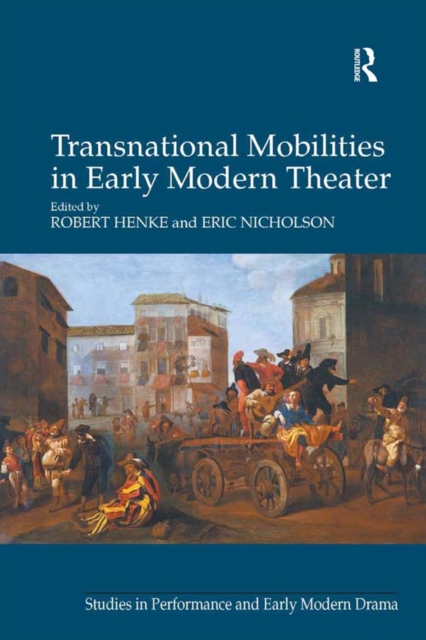
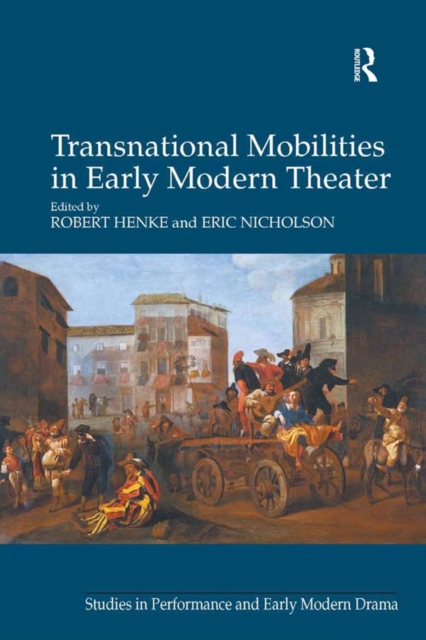
The essays in this volume investigate English, Italian, Spanish, German, Czech, and Bengali early modern theater, placing Shakespeare and his contemporaries in the theatrical contexts of western and central Europe, as well as the Indian sub-continent.
The essays in this volume investigate English, Italian, Spanish, German, Czech, and Bengali early modern theater, placing Shakespeare and his contemporaries in the theatrical contexts of western and central Europe, as well as the Indian sub-continent.
Arguing for a reconsideration of William Butler Yeats's work in the light of contemporary studies of world literature, Barry Sheils shows how reading Yeats enables a fuller understanding of the relationship between the extensive map of world literary production and the intensities of poetic practice.
Arguing for a reconsideration of William Butler Yeats's work in the light of contemporary studies of world literature, Barry Sheils shows how reading Yeats enables a fuller understanding of the relationship between the extensive map of world literary production and the intensities of poetic practice.
This book brings together an ensemble of leading voices from the fields of economics, language policy, law, political philosophy, and translation studies.
This book brings together an ensemble of leading voices from the fields of economics, language policy, law, political philosophy, and translation studies.