Offers a reader-friendly guide to reading, understanding, and appreciating Pope today Alexander Pope s words echo across centuries, woven into the fabric of everyday English.
Offers a reader-friendly guide to reading, understanding, and appreciating Pope today Alexander Pope s words echo across centuries, woven into the fabric of everyday English.
An Instant New York Times BestsellerUSA Today BestsellerBestselling author John Bevere challenges Christians to take a fresh and honest look at one of the most often misunderstood and avoided truths of the Christian faiththe second coming of Jesus.
Diese Einfuhrung bietet Studierenden und Forschenden der Sprachwissenschaft einen innovativen Zugang zum Denken uber Grammatik: Diese muss nicht als abgeschlossenes und von anderen menschlichen Erfahrungsbereichen isoliertes System prasentiert werden, in dem Elemente bestimmten Klassen zugeordnet werden, im Satzzusammenhang bestimmte Funktionen einnehmen und nur nach bestimmten Regeln verknupft werden konnen.
Die Bande vereinen Beitrage internationaler Wissenschaftler:innen zu aktuellen Themen der italianistischen Linguistik und Philologie unter dem Oberthema "e;Tempo e Spazio"e;.
Diese Einfuhrung bietet Studierenden und Forschenden der Sprachwissenschaft einen innovativen Zugang zum Denken uber Grammatik: Diese muss nicht als abgeschlossenes und von anderen menschlichen Erfahrungsbereichen isoliertes System prasentiert werden, in dem Elemente bestimmten Klassen zugeordnet werden, im Satzzusammenhang bestimmte Funktionen einnehmen und nur nach bestimmten Regeln verknupft werden konnen.
Inklusiver, teilhabeorientierter Unterricht erfordert eine Didaktik, die gemeinsames Lernen so gestaltet, dass Schuler:innen mit unterschiedlichen Lernhintergrunden und Sprachstanden, monolingual oder mehrsprachig, mit oder ohne Forderbedarf jeweils eine entwicklungsorientierte Unterstutzung in ihren sprachlichen, fachlichen und uberfachlichen Lernprozessen erhalten.
Inklusiver, teilhabeorientierter Unterricht erfordert eine Didaktik, die gemeinsames Lernen so gestaltet, dass Schuler:innen mit unterschiedlichen Lernhintergrunden und Sprachstanden, monolingual oder mehrsprachig, mit oder ohne Forderbedarf jeweils eine entwicklungsorientierte Unterstutzung in ihren sprachlichen, fachlichen und uberfachlichen Lernprozessen erhalten.
NLP pour les dirigeants : Atteindre assurance et succes dans les fonctions de leadership grce a une communication efficace, ciblee et adaptee a chaque situation Vous souhaitez reellement decoller en tant que dirigeant ?
NLP para Lideres: Logra Seguridad y Exito en Puestos de Liderazgo mediante una Comunicacion Eficiente, Enfocada y Adaptada a Cada Situacion Quieres despegar de verdad como lider?
NLP per Leader: Raggiungi Sicurezza e Successo nelle Posizioni di Leadership grazie a una Comunicazione Efficiente, Mirata e Adattata alla Situazione Vuoi davvero fare il salto di qualita come leader?
NLP for Leaders: Achieve Confidence and Success in Leadership Positions Through Efficient, Targeted, and Situationally Adapted Communication Do you want to truly take off as a leader?
NLP dla Liderow: Osiagnij Pewnosc Siebie i Sukces na Stanowiskach Kierowniczych dzieki Skutecznej, Ukierunkowanej i Dopasowanej do Sytuacji Komunikacji Czy chcesz naprawde rozwinac skrzydla jako lider?
+ Wichtiges Thema: mentale Gesundheit bei Kindern + Sachbuch ab 9 Jahren + Mit vielen Tipps und Ubungen + Mit Serviceteil fur Lehrer und Eltern + Unterstutzung in schwierigen Situationen + Resilienz + Modern illustriert +So geht's dir besser!
Teoria analitica del derecho es un estudio profundizado de algunos de los principales problemas de la teoria general del derecho, que centra la atencion fundamentalmente en el lenguaje y el razonamiento juridico.
NLP for Ledare: Uppna Sjalvsakerhet och Framgang i Ledarroller genom Effektiv, Malinriktad och Situationsanpassad Kommunikation Vill du verkligen ta nasta steg som ledare?
NLP voor Leidinggevenden: Bereik Zelfvertrouwen en Succes in Leidinggevende Functies door Efficiente, Doelgerichte en Situationeel Aangepaste Communicatie Wil je echt doorstarten als leidinggevende?
In a world filled with constant change, digital distractions, and competing values, many parents ask the same question: How can I help my child grow strong in faith while living fully in the modern world?
Wie kann es gelingen, in einer Gesellschaft, die immer tiefer gespalten ist, wieder zu gegenseitigem Verstandnis, Austausch und Gemeinschaft zu kommen?
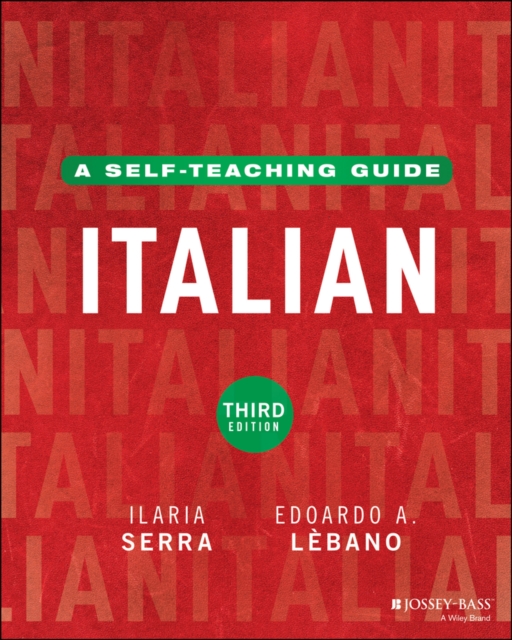
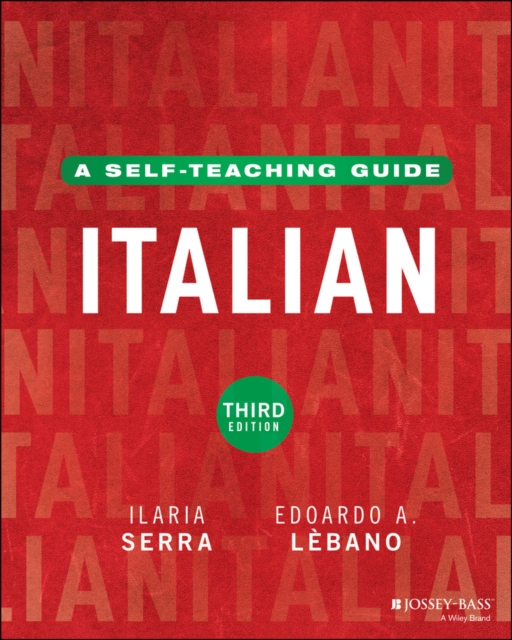
Learn Italian at your own speed with tons of hands-on practice In the newly revised third edition of Italian: A Self-Teaching Guide, professor and language educator Dr.
Learn Italian at your own speed with tons of hands-on practice In the newly revised third edition of Italian: A Self-Teaching Guide, professor and language educator Dr.
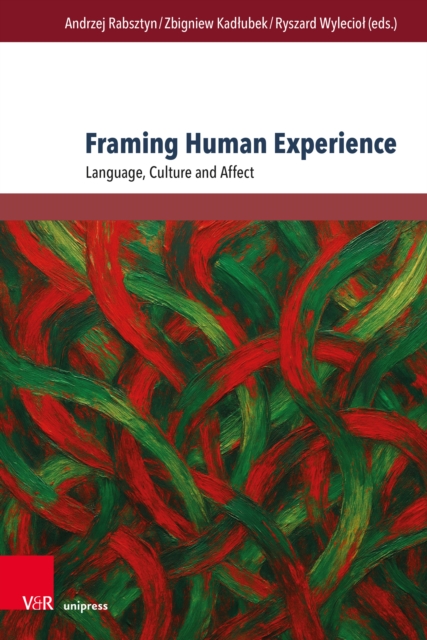
"e;Framing Human Experience: Language, Culture, and Affect"e; offers an interdisciplinary exploration into the multifaceted ways human realities are constructed, perceived, and navigated through linguistic structures, cultural frameworks, and affective responses.
Fuertemente inspirado en los presupuestos epistemologicos de las teorias de la polifonia, la argumentacion y el dialogismo, el enfoque dialogico de la argumentacion y la polifonia, que aqui se presenta, aboga por incorporar como parte de la descripcion polifonico-argumentativa los aspectos dialogicos del sentido, es decir aquellos relacionados tanto con la causa dialogica que motivo la aparicion del enunciado en la cadena discursiva como con el consecuente posicionamiento subjetivo de respuesta que en el queda configurado.
La obra que ponemos en manos de la comunidad academica esta enmarcada en las lineas de investigacion mas significativas en la ensenanza del espanol relacionadas con el aprendizaje, la evaluacion y la cultura.