The regime under which humankind has governed its uses of the ocean is in the process of change-shifting away from the traditional freedom of the seas toward a a mixeda system in which most of the valuable near-shore resources come under coastal jurisdiction.
Latin America remains a turbulent region, characterized by conflict and increased militarization, despite the existence of regional juridical mechanisms for controlling disputes.
This book aspires to contribute to greater understanding of three major perspectives on marine policy: developed states' perspectives, developing states' perspectives, and interaction between first and second perspectives or North-South perspectives.
The regime under which humankind has governed its uses of the ocean is in the process of change-shifting away from the traditional freedom of the seas toward a a mixeda system in which most of the valuable near-shore resources come under coastal jurisdiction.
This examination of policy developments in the People's Republic of China since the Cultural Revolution addresses two central questions: (1) how durable were foreign and domestic policies during the 1970s; and (2) what is the relationship between foreign and domestic policy and between both of these policy areas and internal political maneuvering?
Because Brazil's emergence as a major power is paralleled by its emergence as an ocean power, the country is a particularly important example of the ocean policies of developing states.
Latin America remains a turbulent region, characterized by conflict and increased militarization, despite the existence of regional juridical mechanisms for controlling disputes.
This book aspires to contribute to greater understanding of three major perspectives on marine policy: developed states' perspectives, developing states' perspectives, and interaction between first and second perspectives or North-South perspectives.
The United Nations Convention on the Law of the Sea (LOSC) represents one of the most successful examples of multilateral treaty making in the modern era.
The United Nations Convention on the Law of the Sea (LOSC) represents one of the most successful examples of multilateral treaty making in the modern era.
This book explores the opportunities and challenges that both Europe and Asia face under the framework of the 21st Century Maritime Silk Road Initiative.
This book explores the opportunities and challenges that both Europe and Asia face under the framework of the 21st Century Maritime Silk Road Initiative.
The need for freedoms of navigation in regional waters is frequently mentioned in statements from regional forums, but a common understanding of what constitutes a particular freedom of navigation or the relevant law is lacking.
The need for freedoms of navigation in regional waters is frequently mentioned in statements from regional forums, but a common understanding of what constitutes a particular freedom of navigation or the relevant law is lacking.
In Maritime Power and the Law of the Sea: Expeditionary Operations in World Politics, Commander James Kraska analyzes the evolving rules governing freedom of the seas and their impact on expeditionary operations in the littoral, near-shore coastal zone.
Article 76 of the United Nations Convention on the Law of the Sea lays down the rules and regulations governing claims to a continental shelf beyond 200 nautical miles for the 130 coastal States and entities that have ratified or acceded to it.
The deep seabed beyond national jurisdiction (known as the Area) comprises almost three-quarters of the entire surface area of the oceans, and is home to an array of prized commodities including valuable metals and rare earth elements.
The deep seabed beyond national jurisdiction (known as the Area) comprises almost three-quarters of the entire surface area of the oceans, and is home to an array of prized commodities including valuable metals and rare earth elements.
Written by an incumbent Judge of the International Tribunal for the Law of the Sea, this volume in the Elements of International Law series shows why a stable legal regime governing the uses and management of the oceans is such an important feature of international relations.
Written by an incumbent Judge of the International Tribunal for the Law of the Sea, this volume in the Elements of International Law series shows why a stable legal regime governing the uses and management of the oceans is such an important feature of international relations.
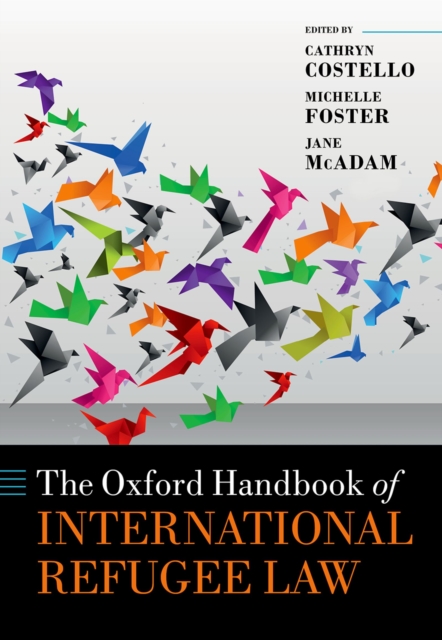
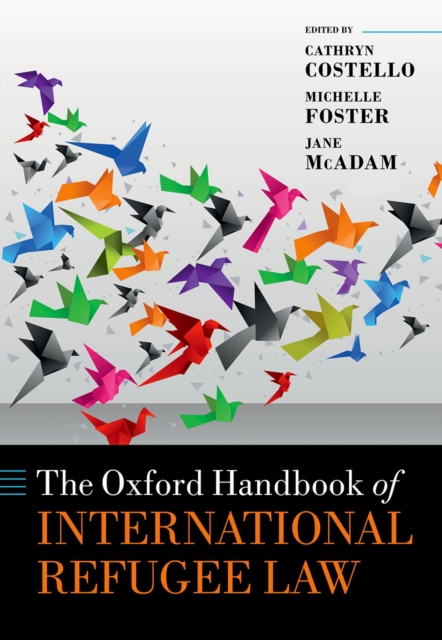
The Oxford Handbook of International Refugee Law is a comprehensive, critical work, which analyses the state of research across the refugee law regime as a whole.
The Oxford Handbook of International Refugee Law is a comprehensive, critical work, which analyses the state of research across the refugee law regime as a whole.
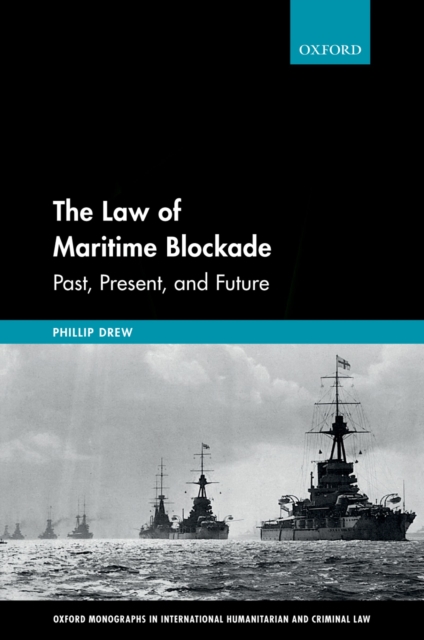
Although appearing to be a relatively benign method of warfare when viewed from a distance, a close examination of maritime blockade unveils a sinister character that can, in cases where countries are highly reliant on imports of foodstuffs to feed their populations, prove incredibly deadly, particularly for the young and elderly.
Although appearing to be a relatively benign method of warfare when viewed from a distance, a close examination of maritime blockade unveils a sinister character that can, in cases where countries are highly reliant on imports of foodstuffs to feed their populations, prove incredibly deadly, particularly for the young and elderly.
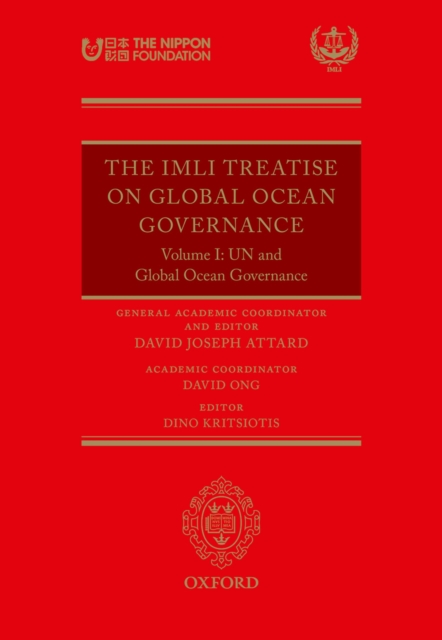
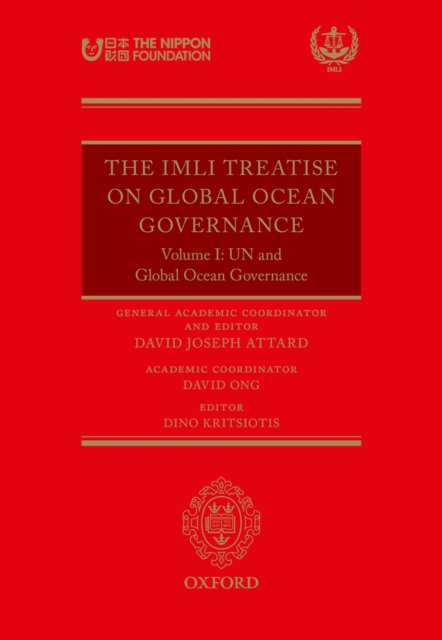
This three-volume Manual on International Maritime Law presents a systematic analysis of the history and contemporary development of international maritime law by leading contributors from across the world.
This three-volume Manual on International Maritime Law presents a systematic analysis of the history and contemporary development of international maritime law by leading contributors from across the world.
This three-volume Manual on International Maritime Law presents a systematic analysis of the history and contemporary development of international maritime law by leading contributors from across the world.
This three-volume Manual on International Maritime Law presents a systematic analysis of the history and contemporary development of international maritime law by leading contributors from across the world.