This book fills the gap between textbooks of quantitative genetic theory, and software manuals that provide details on analytical methods but little context or perspective on which methods may be most appropriate for a particular application.
This book clearly defines ways to maximize the allelopathic potential of important field crops for controlling weeds, either in the same crop or others.
This book reveals the benefits of describing and modeling trees as the combined surface areas of their stems, and provides a concise overview of the fundamental grounds for adopting such an approach.
This text details the plant-assisted remediation method, "e;phytoremediation"e;, which involves the interaction of plant roots and associated rhizospheric microorganisms for the remediation of soil contaminated with high levels of metals, pesticides, solvents, radionuclides, explosives, crude oil, organic compounds and various other contaminants.
This work is to compile our current knowledge on GY phytoplasma biology at the genomic, transcriptomics, proteomics and metabolomics level, as well as to summarize the approaches for their detection.
This book presents the genetics and genomics of Jatropha, which is used for biofuel, and shows how plant genomics can be used to improve plant breeding.
With one volume each year, this series keeps scientists and advanced students informed of the latest developments and results in all areas of the plant sciences.
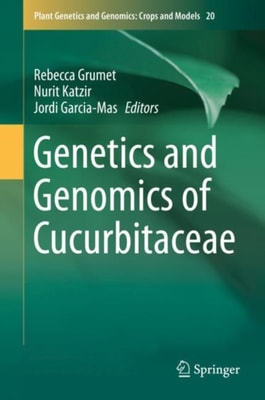
This book provides an overview of the current state of knowledge of the genetics and genomics of the agriculturally important Cucurbitaceae plant family, which includes crops such as watermelon, melon, cucumber, summer and winter squashes, pumpkins, and gourds.
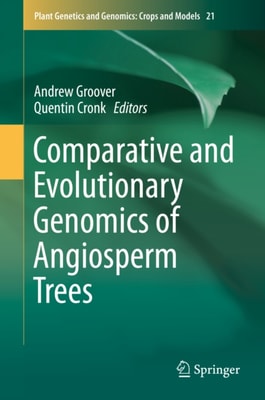
Marking the change in focus of tree genomics from single species to comparative approaches, this book covers biological, genomic, and evolutionary aspects of angiosperm trees that provide information and perspectives to support researchers broadening the focus of their research.
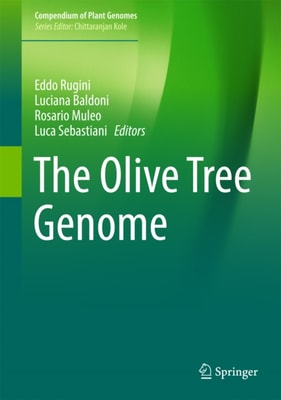
This book provides an introduction to the genetics, genomics, and breeding of the olive tree, a multi-functional long-lived crop plant that is relevant not only for culinary olive and oil production, but also for shaping the landscape and history of many rural areas for centuries.
To address the environmental, socioeconomic, and geopolitical issues associated with increasing global human energy consumption, technologies for utilizing renewable carbon-free or carbon-neutral energy sources must be identified and developed.
This edited volume focuses on the characterization, reclamation, bioremediation, and phytoremediation of salt affected soils and waterlogged sodic soils.
This book assesses the potential effects of biotechnological approaches, particularly genetic modification, on the present state of fiber crop cultivation and sustainable production.
This book reports an approach developed to research and apply methods of assessing patterns of processes in the landscape, and suitability of different types of vegetation to mitigate soil erosion and sediment flux.
This unique book contains not only a comprehensive up-to-date summary of the achievements made in all areas of Nematology in South Africa over more than half a century, but it also combines this rather technical part with an insiders narrative of how Nematology started and developed.
This two-volume set takes an in-depth look at stress signaling in plants from a uniquely genomic and proteomic perspective and offers a comprehensive treatise that covers all of the signaling pathways and mechanisms that have been researched so far.
This book highlights the implications of nanotechnology in plant sciences, particularly its potential to improve food and agricultural systems, through innovative, eco-friendly approaches, and as a result to increase plant productivity.
This text details the plant-assisted remediation method, "e;phytoremediation,"e; which involves the interaction of plant roots and associated rhizospheric microorganisms for the remediation of soil contaminated with high levels of metals, pesticides, solvents, radionuclides, explosives, crude oil, organic compounds and various other contaminants.
This book provides extensive and comprehensive knowledge to the researchers/academics who are working in the field of cesium contaminated sites, and the impact on plants.
This book describes the three gasotransmitters nitric oxide (NO), hydrogen sulphide (H2S) and carbon monoxide (CO) and their function as intracellular signalling molecules in plants.
This book details the plant-assisted remediation method, "e;phytoremediation"e;, which involves the interaction of plant roots and associated rhizospheric microorganisms for the remediation of soil contaminated with high levels of metals, pesticides, solvents, radionuclides, explosives, crude oil, organic compounds and various other contaminants.
The Kingdom fungi encompass a massive diversity of taxa with wide-ranging ecologies, life cycles, and morphologies ranging from unicellular aquatic chytrids to large mushrooms.
Blast is an important foliar disease that infects the majority of cereal crops like rice, finger millet, pearl millet, foxtail millet and wheat, and thus resulting in a huge economic impact.
This book is a systematized overview of wild edible plants eaten in the territory of present Estonia, with a focus on the systematic changes within the field.
Topics covered in this book include RNA silencing and its suppression in plant virus infection, virus replication mechanisms, the association of cellular membranes with virus replication and movement, plant genetic resistance to viruses, viral cell-to-cell spread, long distance movement in plants, virus induced ER stress, virus diversity and evolution, virus-vector interactions, cross protection, geminiviruses, negative strand RNA viruses, viroids, and the diagnosis of plant viral diseases using next generation sequencing.
This book describes the basic botanical features of kiwifruit and its wild relatives, reports on the steps that led to its genome sequencing, and discusses the results obtained with the assembly and annotation.
This book constitutes a key reference on the use of algae in the biopharmaceuticals production field; providing an updated outlook on the achievements accomplished thus far and transmitting a prospective view for this biotechnological application.
To comprehend the organizational principle of cellular functions at diff erent levels, an integrative approach with large-scale experiments, the so-called 'omics' data including genomics, transcriptomics, proteomics, and metabolomics, is needed.