Research into the field of stem cell biology has developed exponentially over recent years, and is beginning to offer significant promise for unravelling the molecular basis of a multitude of disease states.
Blood has long been viewed as a conduit for therapy, stemming from the ancient days of phlebotomy to remove evil humors to the development of successful blood transfusions to replace missing blood components.
Over the past decade, significant advances in the fields of stem cell biology, bioengineering, and animal models have converged on the discipline of regenerative medicine.
In this state-of-the-art exploration of a hugely dynamic and fast-evolving field of research, leading researchers share their collective wisdom on the role that stem cells could play in the context of physiological stress and lung injury.
Stem Cell Therapy for Diabetes, one of the latest installments of the Stem Cell Biology and Regenerative Medicine series, reviews the three main approaches for generation of sufficient numbers of insulin-producing cells for restoration of an adequate beta-cell mass: beta-cell expansion, stem-cell differentiation, and nuclear reprogramming.
Defined as, "e;The science about the development of an embryo from the fertilization of the ovum to the fetus stage,"e; embryology has been a mainstay at universities throughout the world for many years.
From the discovery of Pdx1, the first "e;master gene"e; of pancreatic development, to the most recent findings on the role of microRNAs in beta cell homeostasis, the last fifteen years have seen an unprecedented advance in our understanding of the precise development and organization of the many different cell types that make up the pancreas.
Stem cells appear to be fundamental cellular units associated with the origin of multicellular organisms and have evolved to function in safeguarding the cellular homeostasis in organ t- sues.
Introduction to Systems Biology is an introductory text for undergraduate and graduate students who are interested in comprehensive biological systems.
Apoptosis, Cell Signaling, and Human Diseases: Molecular Mechanisms, Volumes 1 & 2, present a concise synthesis of recent developments in the understanding of both cell survival and apoptotic pathways.
Recent stem cell research has revealed that miRNA and RNAi-mediated gene regulation is one of the vital determinates controlling the state of cell differentiation, with the small RNAs serving as key elements involved in regulatory network control of pluripotent cell fate determination.
This book familiarizes the reader with the current landscape of cell-based therapies for the treatment of retinal disease, including diseases that affect the choriocapillaris, retinal pigment epithelium, photoreceptors, and retinal ganglion cells.
This book delves into the many facets of the study of plant development and demonstrates the importance of ontogenetic studies in analyzing the structure, function, and evolution of glands, structures, and organs.
SHORTLISTED FOR THE ROYAL SOCIETY SCIENCE BOOK PRIZE AN INTERNATIONAL BESTSELLER'Refreshingly clear'Sunday Times'A hugely enjoyable slice of popular science'Daily Mail__________ A journey from the farthest reaches of the globe to the most cutting-edge research to explore everything the natural world and science have to offer on the mystery of ageing.
This detailed volume explores animal embryogenesis in a way that aims to foster cross-model work and ideas by presenting methods that can be applied across laboratories and species boundaries.
Microbiome in Cancer and Autoimmunity - Part B, Volume 395 offers a comprehensive exploration of the intricate relationship between the human microbiome and the development of cancer and autoimmune diseases.
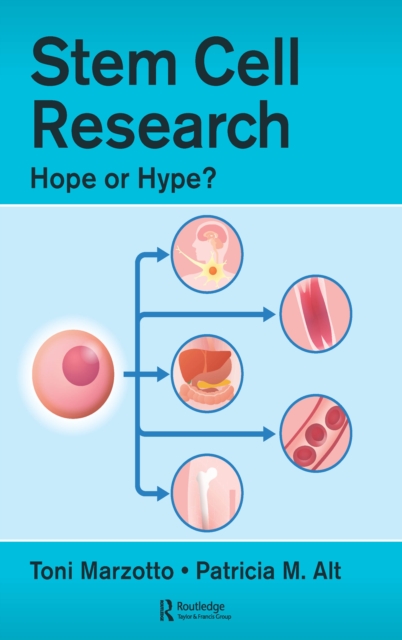
Stem Cell Research takes a multi-disciplinary approach to the topic of human embryonic stem cell research, starting with the breakthrough discovery up through the present day controversy.
Understanding Human Anatomy and Pathology: An Evolutionary and Developmental Guide for Medical Students provides medical students with a much easier and more comprehensive way to learn and understand human gross anatomy by combining state-of-the-art knowledge about human anatomy, evolution, development, and pathology in one book.
Regenerative Engineering and Developmental Biology: Principles and Applications examines cutting-edge developments in the field of regenerative engineering.
Given the rapidly developing area of evolutionary medicine and public health, The Arc of Life examines ways in which research conducted by biological anthropologists can enrich our understanding of variation in human health outcomes.
"e;Research Progress in Oligosaccharins"e; is a valuable tool for students and researchers who want to learn about this unique class of bioactive compounds.
This book explores the regenerative properties of fetal stem cells, from feto-maternal cell traffic through perinatal stem cells, with a discussion of key topics including stem cell banking, drug screening, in utero stem cell transplantation and ethical considerations.
This book compiles andexplores cutting-edge research in degenerative skeletal disorders, such asDuchenne muscular dystrophy and congenital myopathy, and new stem-cell basedtherapies and gene replacement therapy.
The book considers signaling events from the zygote embryo through to the blastocyst with relevant data from embryonic stem (ES) cells, including dialogue with the extracellular environment and with the maternal tract during the implantation process.
This volume presents a comprehensive overview of the latest advances in basic and translational research in the field of reconstructive transplantation and its potential therapeutic implications.