Advances in Marine Biology, Volume 81, the latest release in this acclaimed series published since 1963, updates on many topics that appeal to postgraduates and researchers in marine biology, fisheries science, ecology, zoology and biological oceanography, with this release presenting chapters on The Impact of Hydrocarbon Contamination on the Scallop Fishery in Port au Port Bay, Newfoundland, Pharmaceutical and personal care products in marine and coastal environments: facts, challenges and opportunities, Modeling of the Marathassa Oil Spill in the Vancouver Harbour, Characterization of Nitrogen Containing Polycyclic Aromatic Hydrocarbons (PAHs) in Crude Oil and Refined Petroleum Products, and much more.
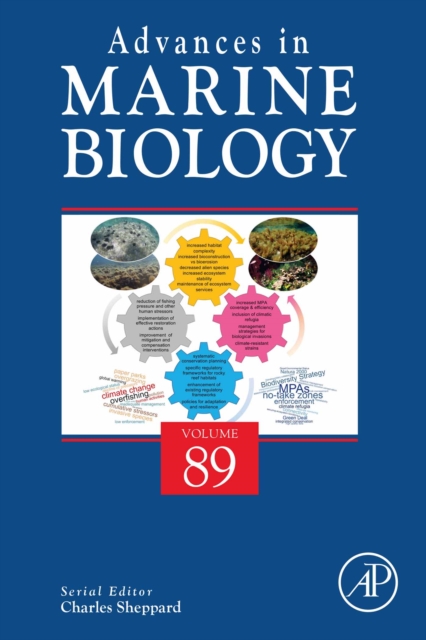
Advances in Marine Biology, Volume 89 updates on many topics that will appeal to postgraduates and researchers in marine biology, fisheries science, ecology, zoology and biological oceanography.
Advances in Marine Biology, Volume 93, the latest release in this comprehensive serial, highlights new advances in the field, with this new volume presenting interesting chapters written by an international board of authors.
Introduction to the Modelling of Marine Ecosystems, Second Edition provides foundational information on the construction of chemical and biological models - from simple cases to more complex biogeochemical models and life cycle resolving model components.
The many economic factors affecting sustainability of the Gulf of Mexico region are perhaps as important as the waves on its shores and its abundant marine life.
Try teaching a young child about oceans, seas and rivers and other bodies of water and you will most certainly have a difficult time capturing his/her attention.
A land of extremes, the Northern Territory's arid deserts and monsoonal forests harbour some of Australia's smallest and the world's largest reptiles, as well as some of the world's most venomous snakes.
The use of medicinal plants in herbal and modern medicine has gained popularity over the last few decades due to consumers taking more natural approaches to medicine.
Many informal organisations around the world are making a positive impact on the environment and their communities by turning waste into a resource, increasing the social capacity of their community and reducing the amount of pollution in their environment.
The use of medicinal plants in herbal and modern medicine has gained popularity over the last few decades due to consumers taking more natural approaches to medicine.
Serpulid polychaetes are a unique and highly specialised group of marine segmented worms that have adapted to inhabiting self-secreted calcareous tubes attached to a wide range of hard substrates.
Global Knowledge on the Commercial Sea Cucumber Holothuria Scabra, Volume 91 in the Advances in Marine Biology serial, highlights new advances in the field, with this new volume presenting interesting chapters written by an international board of authors.
Elements of Marine Ecology, Fifth Edition focuses on marine ecology as a coherent science, providing undergraduate students with an essential foundation of knowledge in the structure and functioning of marine ecosystems.
As the volume of marine big data has increased dramatically, one of the main concerns is how to fully exploit the value of such data in the development of marine economy and marine science and technology.
Microalgae: Cultivation, Recovery of Compounds and Applications supports the scientific community, professionals and enterprises that aspire to develop industrial and commercialized applications of microalgae cultivation.
Cellular and Molecular Approaches in Fish Biology is a highly interdisciplinary resource to bring industry professionals, students and researchers up-to-date with the latest developments and information on fish biology research combining a historical overview of the different research areas in fish biology and detailed descriptions of cellular and molecular approaches with explanations and recommendations for research.
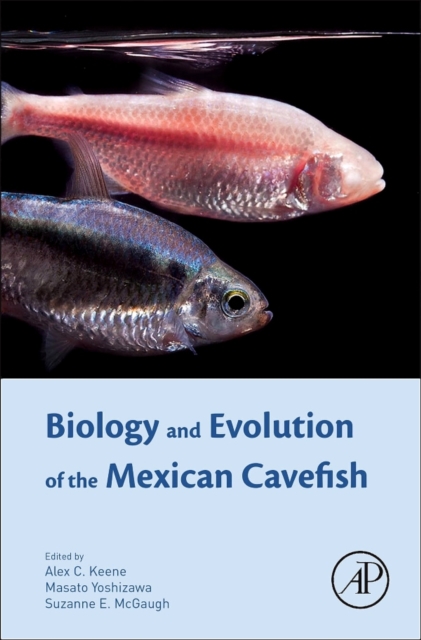
Biology and Evolution of the Mexican Cavefish features contributions by leading researchers in a comprehensive, unique work that examines a number of distinct areas of biology-evolution, development, ecology, and behavior-using the Mexican cavefish as a powerful model system to further understanding of basic biological processes such as eye degeneration, hearing, craniofacial development, sleep, and metabolic function.
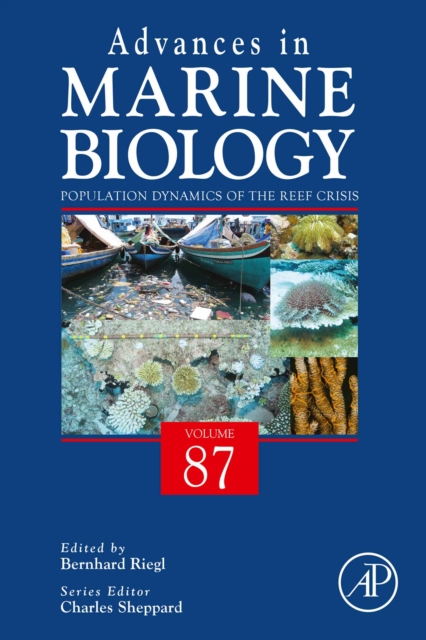
Population Dynamics of the Reef Crisis, Volume 87 in the Advances in Marine Biology series, updates on many topics that will appeal to postgraduates and researchers in marine biology, fisheries science, ecology, zoology and biological oceanography.
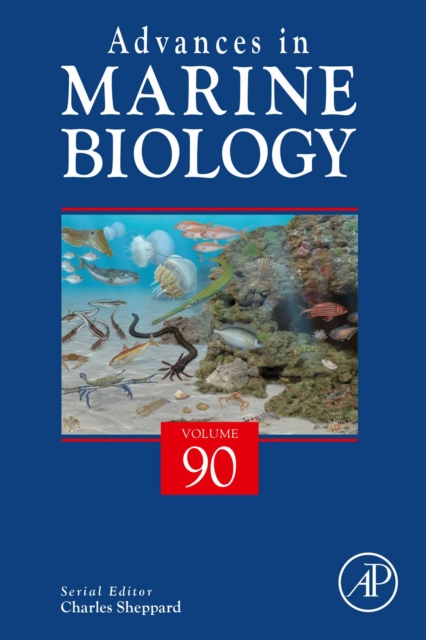
The Oceanography of the Eastern English Channel: Past, Present and Future, Volume 90 in the Advances in Marine Biology series, is the latest release in a series that has been providing in-depth and up-to-date reviews on all aspects of marine biology since 1963.
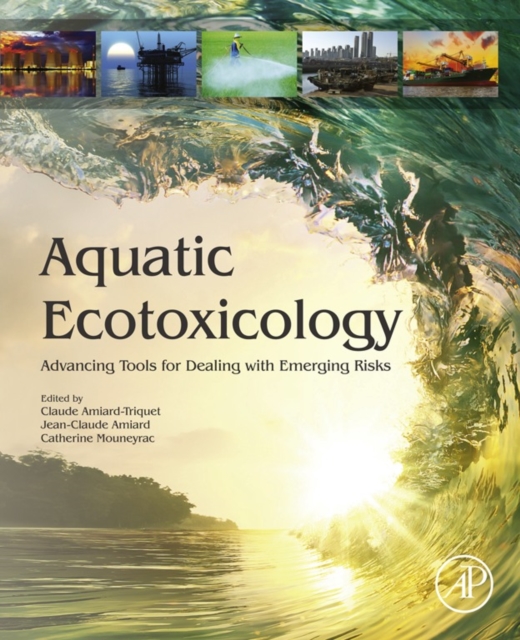
Aquatic Ecotoxicology: Advancing Tools for Dealing with Emerging Risks presents a thorough look at recent advances in aquatic ecotoxicology and their application in assessing the risk of well-known and emerging environmental contaminants.
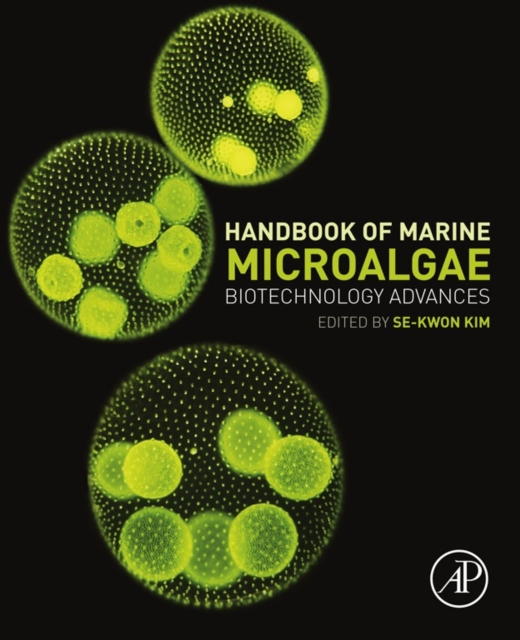
Handbook of Microalgae: Biotechnology Advances offers complete coverage of marine microalgae, including biology, production techniques, biotechnological applications, economic perspectives of applications, and environmental effects of marine microalgae blooms.
Introduction to Marine Biogeochemistry focuses on the ocean's role in the biogeochemical cycling of selected elements and the impact of humans on the cycling of these elements.
The Third Edition of Ecology and Classification of North American Freshwater Invertebrates continues the tradition of in-depth coverage of the biology, ecology, phylogeny, and identification of freshwater invertebrates from the USA and Canada.
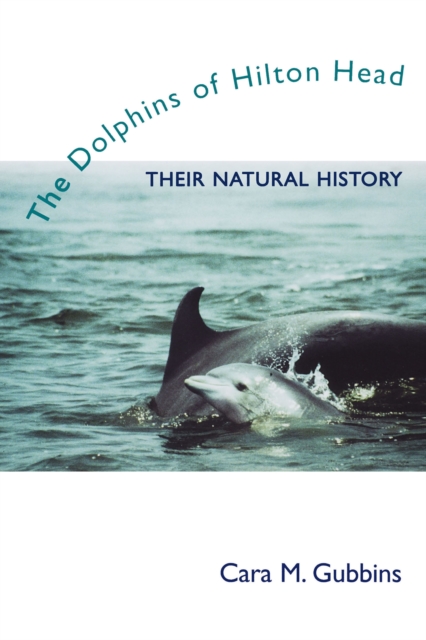
One population of a truly fascinating speciesThe Dolphins of Hilton Head introduces readers to the unique population of bottlenose dolphins that inhabits the warm water and brackish salt marshes of South Carolina's inland coastal waterways.
Understanding the Oceans brings together an internationally distinguished group of authors to consider the enormous advances in marine science that have been achieved since the voyages of HMS Challenger a century ago.
Advances in Marine Biology, Volume 92 highlights new advances in the field, with this new volume presenting interesting chapters on topics including A Review of Coral Reef Rehabilitation Efforts in the Coral Triangle.
Advances in Marine Biology, Volume 88, the latest release in a series that has been providing in-depth and up-to-date reviews on all aspects of marine biology since 1963, updates on many topics that will appeal to postgraduates and researchers in marine biology, fisheries science, ecology, zoology and biological oceanography.
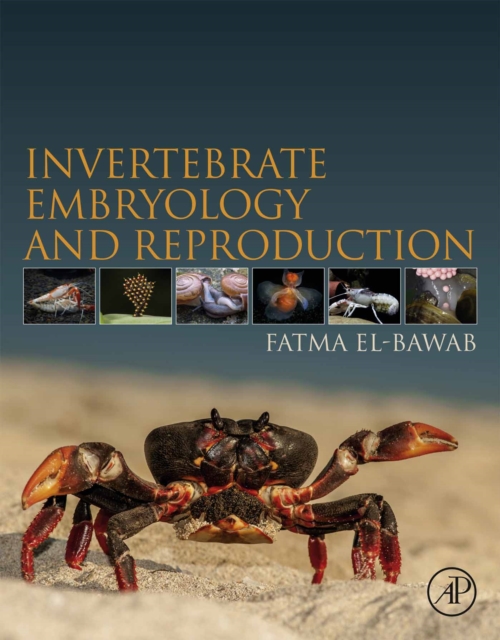
Invertebrate Embryology and Reproduction deals with the practical and theoretical objectives of the descriptive embryology of invertebrates, along with discussions on reproduction in these groups of animals.