Light-emitting reactions occur in some living organisms, and are also now extensively exploited by industry and various branches of biomedical science.
Bioadhesion is often defined as the state in which two materials, at least one of which is biological in nature, are held together for extended periods of time by interfacial forces.
As the volume of marine big data has increased dramatically, one of the main concerns is how to fully exploit the value of such data in the development of marine economy and marine science and technology.
El Pacífico colombiano es conocido por su alta biodiversidad, que resulta de sus características geológicas (diferentes tipos de rocas y procesos erosivos, y sedimentarios abundantes) y climáticas (temperaturas cálidas, alta humedad, baja radiación solar y alta pluviosidad, lo que se traduce en abundancia de corrientes de agua).
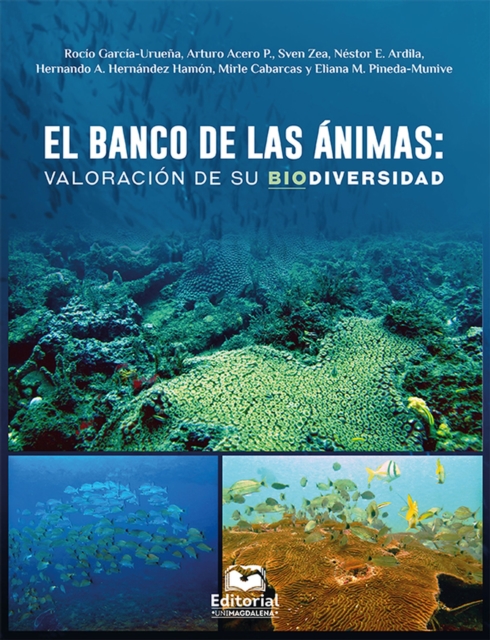
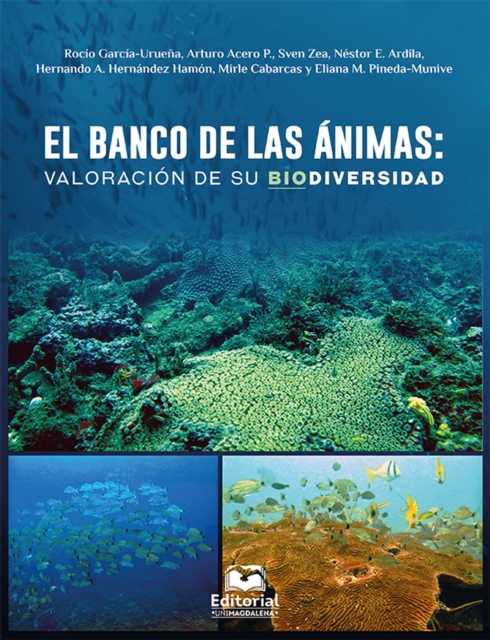
Sobre y en el borde de la plataforma continental en el Golfo de Salamanca, Caribe colombiano, hay fondos duros dispersos con variada fauna y flora coralina, denominados en su conjunto Banco de las Ánimas.
Sobre y en el borde de la plataforma continental en el Golfo de Salamanca, Caribe colombiano, hay fondos duros dispersos con variada fauna y flora coralina, denominados en su conjunto Banco de las Ánimas.
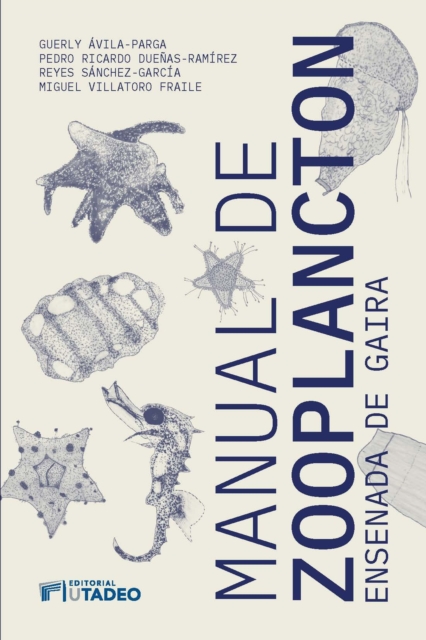
Este manual surge como una estrategia de aprovechamiento del material obtenido durante los muestreos zooplanctónicos realizados con estudiantes de Biología Marina, en la Ensenada de Gaira, región de Santa Marta en el Caribe colombiano, y la conveniencia de contar con un registro de algunas de las especies componentes del zooplancton presente en esas aguas; registro que facilitará en particular a los estudiantes de la región y en general a los investigadores interesados el conocimiento de las especies zooplanctónicas locales.
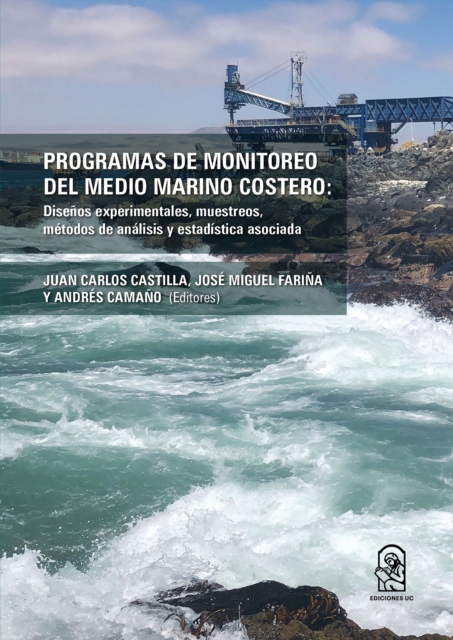
"El libro Programas de Monitoreo del Medio Marino Costero: Diseños Experimentales, Muestreos, Métodos de Análisis y Estadística Asociada es el primero de su género en el país.
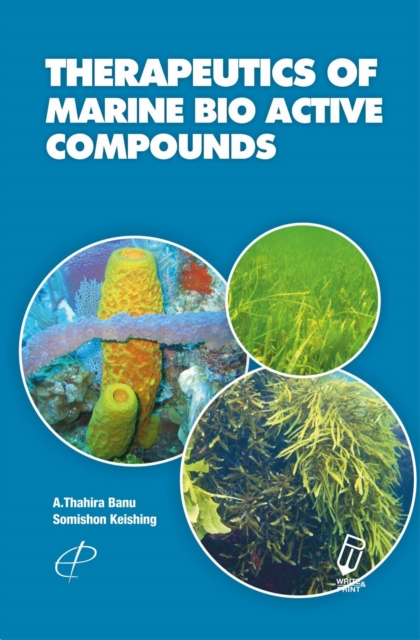
This book is a compilation of research and review papers presented in the National Seminar on'Therapeutics of Marine Bioactive Compounds' on 9th and 10th December 2013 organised by the Department of Home Science, Gandhigram Rural Institute-Deemed University, Gandhigram -624302, Dindigul District.
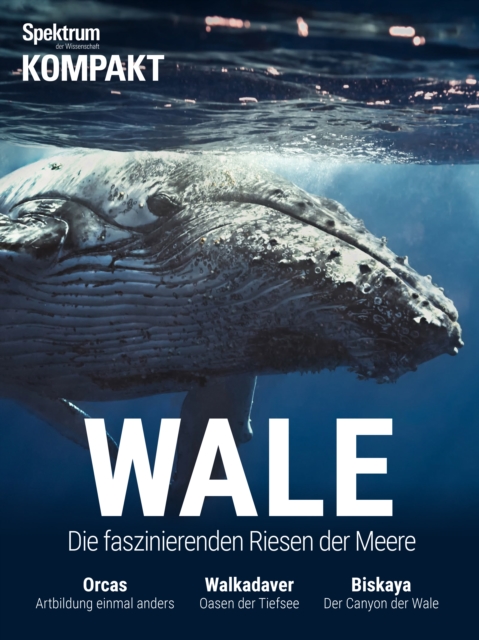
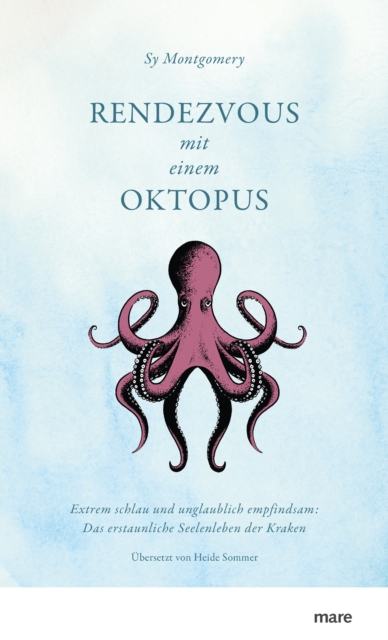
Er kann 1600 Küsse auf einmal verteilen, er kann mit seiner Haut schmecken, Farbe und Form ändern und sich trotz eines Körpergewichts von 45 Kilogramm durch eine apfelsinengroße Öffnung zwängen: der Oktopus.
Drawing on the expertise of marine researchers from both the natural and social sciences, this book examines how we, as both scientists and societies, can return to a sustainable co-existence with the ocean and use the tools of transdisciplinarity to bring together the diverse forms of knowledge needed to achieve this important task.
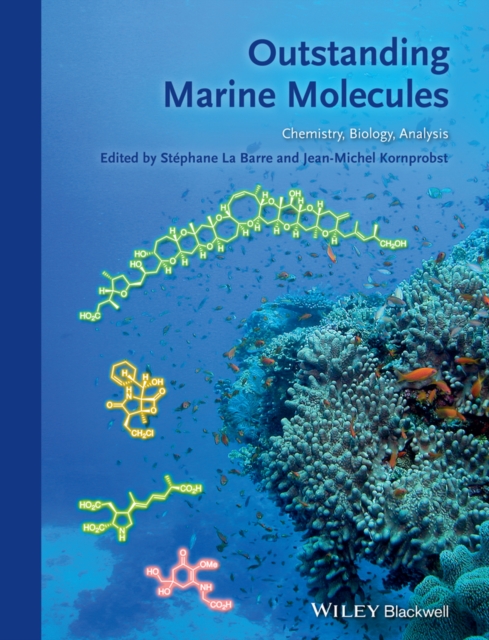
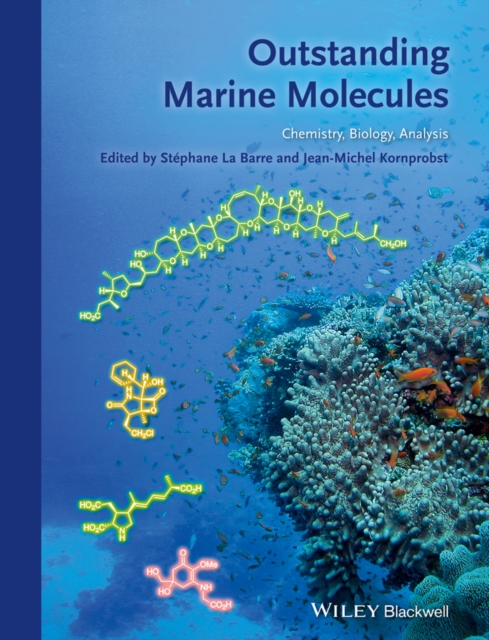
Using a number of outstanding examples, this text introduces readers to the immense variety of marine natural compounds, the methodologies to characterize them and the approaches to explore their industrial potential.
Using a number of outstanding examples, this text introduces readers to the immense variety of marine natural compounds, the methodologies to characterize them and the approaches to explore their industrial potential.
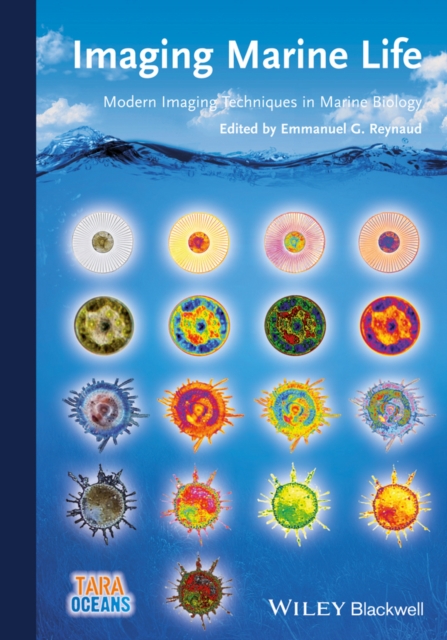
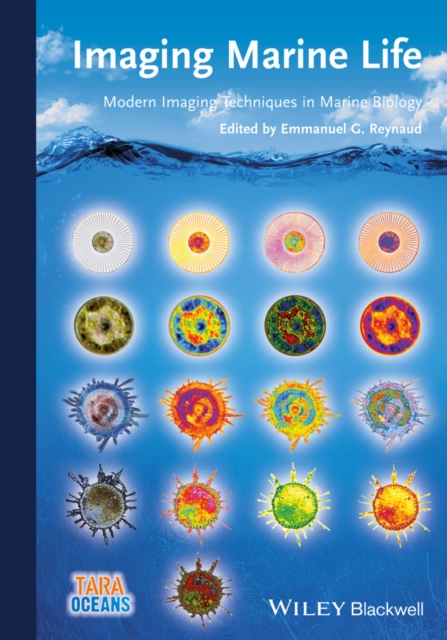
Written by an international team of experts from the Tara Oceans Marine Biology Imaging Platform (TAOMI), this is the first and only compendium on marine imaging technologies, and includes all known underwater as well as on-land techniques.
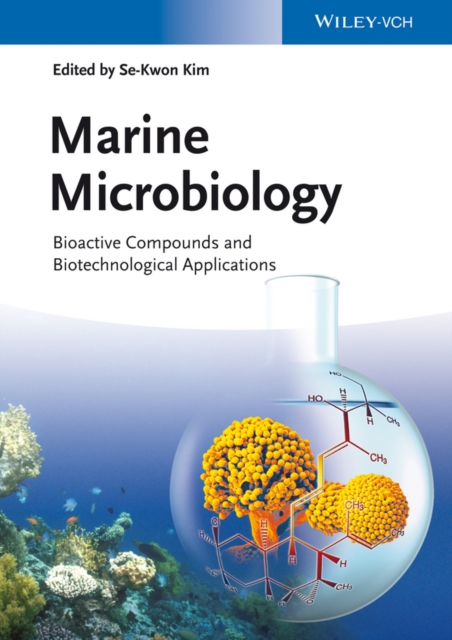
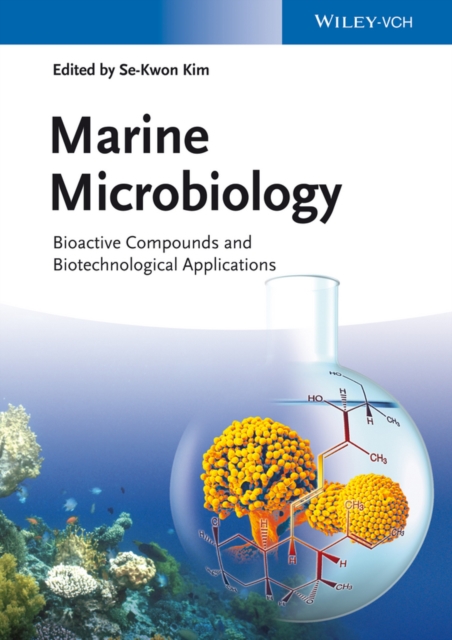
Deliberately breaking with the classical biology-centered description of marine organisms and their products, this reference emphasizes microbial technology over basic biology, setting it apart from its predecessors.
Deliberately breaking with the classical biology-centered description of marine organisms and their products, this reference emphasizes microbial technology over basic biology, setting it apart from its predecessors.
Written by an international team of experts from the Tara Oceans Marine Biology Imaging Platform (TAOMI), this is the first and only compendium on marine imaging technologies, and includes all known underwater as well as on-land techniques.
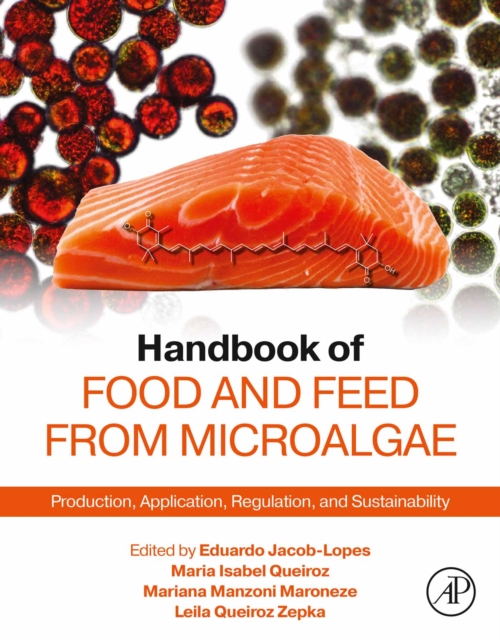
Handbook of Food and Feed From Microalgae: Production, Application, Regulation, and Sustainability is a comprehensive resource on all aspects of using microalgae in food and feed.
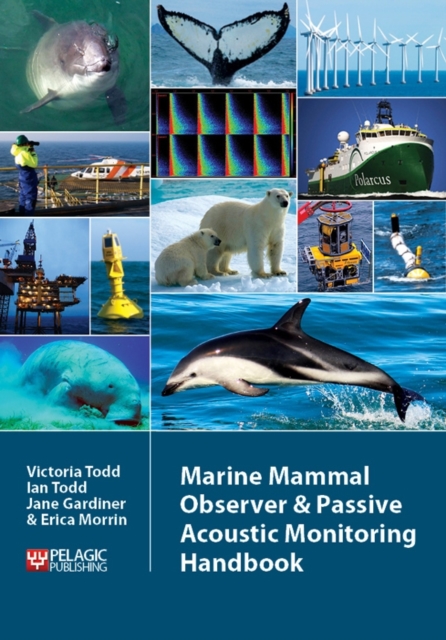
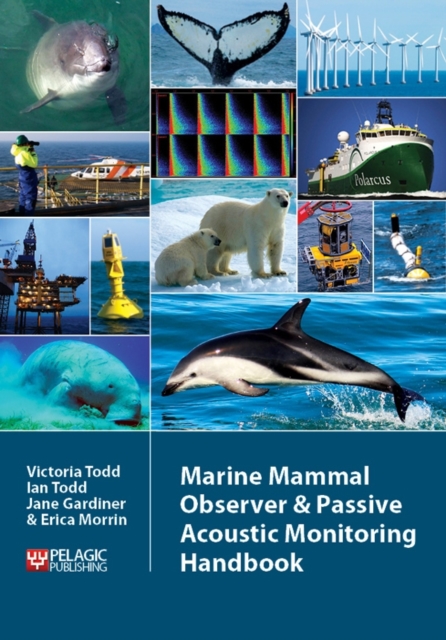
Marine Mammal Observer and Passive Acoustic Monitoring Handbook is the ultimate instruction manual for mitigation measures to minimise man-made acoustical and physical disturbances to marine mammals from industrial and defence activities.
Marine Mammal Observer and Passive Acoustic Monitoring Handbook is the ultimate instruction manual for mitigation measures to minimise man-made acoustical and physical disturbances to marine mammals from industrial and defence activities.
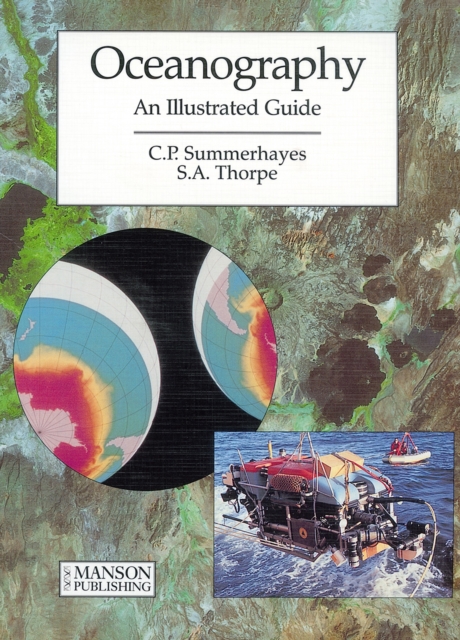
Oceans cover over 70% of the planet's surface and are essential to life on earth, yet their deepest mysteries remained unexplored until very recently when 20th century technological advances allowed the vast expansion of our frontiers of knowledge, and worldwide interest in oceanography grew rapidly.
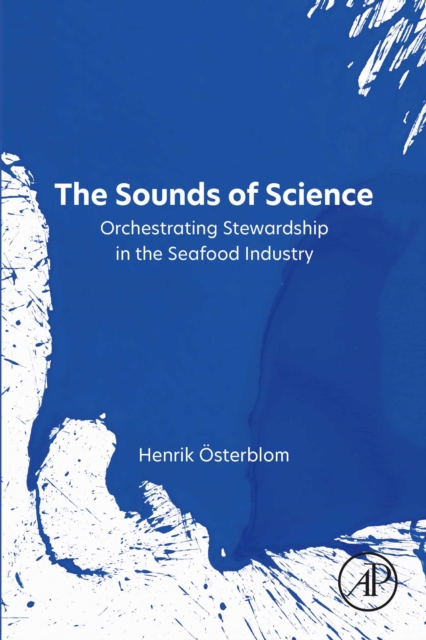
The Sounds of Science provides a comprehensive account of a large-scale scientific experiment with globally operating seafood corporations headquartered in North America, Europe, and Asia.
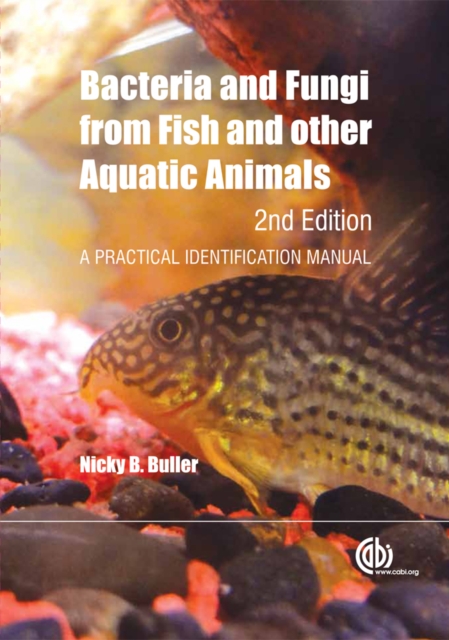
This practical book provides an updated resource for the identification of bacteria found in animals inhabiting the aquatic environment, illustrated with colour photos.
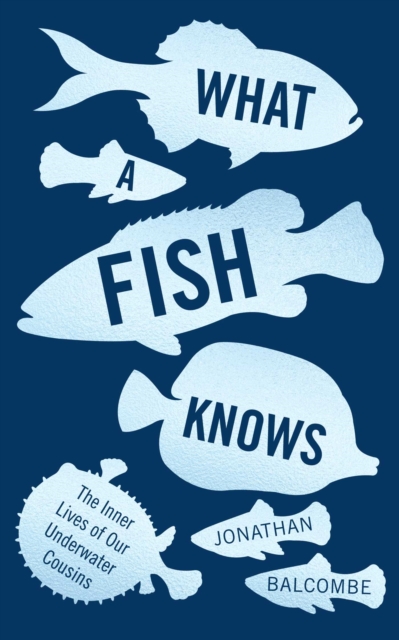
AS FEATURED IN SEASPIRACY An Observer Book of the Year 2017 A Sunday Times must read A New York Times Bestseller Endorsed by His Holiness the Dalai Lama ';Balcombe vividly shows that fish have feelings and deserve consideration and protection like other sentient beings' What's the truth behind the old adage that goldfish have a three-second memory?
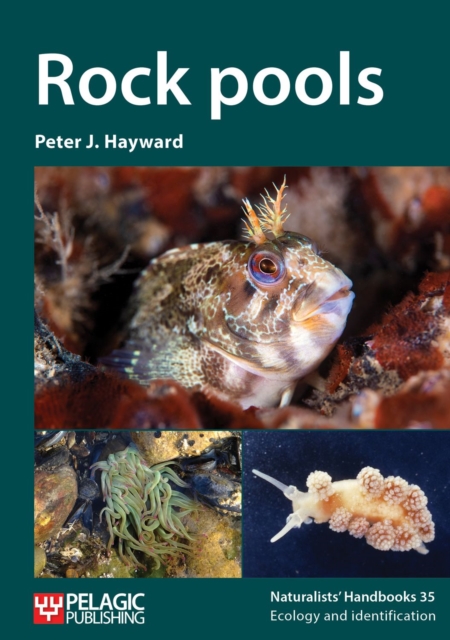
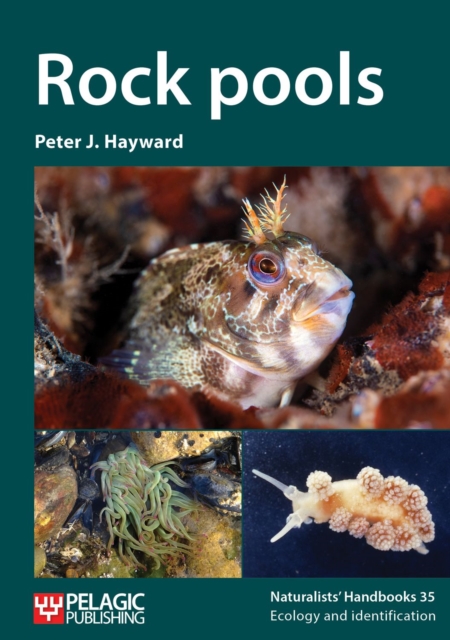
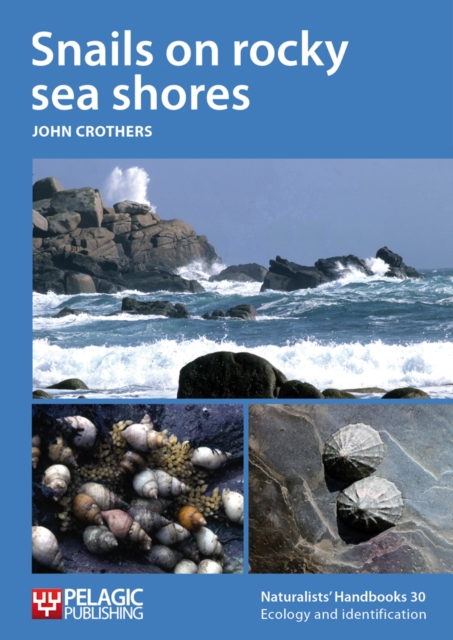
On rocky coastlines, receding tides leave standing pools that have long held a fascination for the amateur seashore naturalist, revealing glimpses of colourful and curious marine plants and animals.
On rocky coastlines, receding tides leave standing pools that have long held a fascination for the amateur seashore naturalist, revealing glimpses of colourful and curious marine plants and animals.
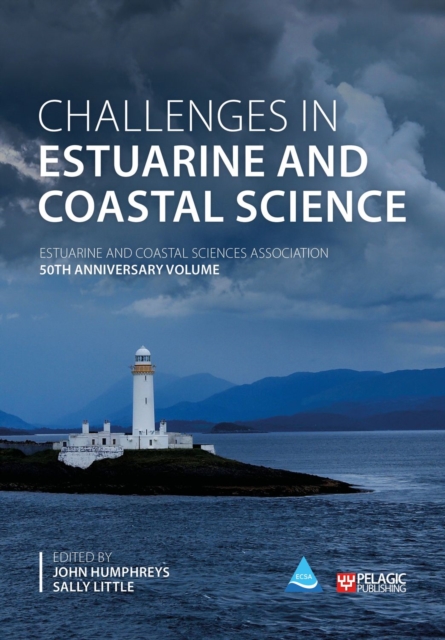
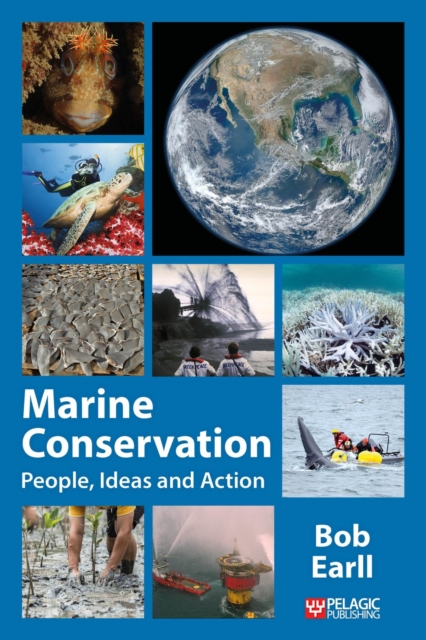
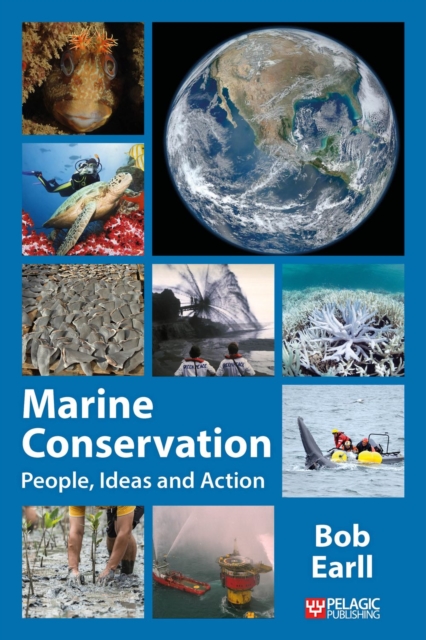
In the last 50 years marine conservation has grown from almost nothing to become a major topic of global activity involving many people and organisations.
In the last 50 years marine conservation has grown from almost nothing to become a major topic of global activity involving many people and organisations.