An up-to-date reference book on phylogenetic methods and applications for evolutionary biologistsThe increasingly widespread availability of genomic data is transforming how biologists estimate evolutionary relationships among organisms and broadening the range of questions that researchers can test in a phylogenetic framework.
The epic story of human evolution, from our primate beginnings more than five million years ago to the agricultural eraOver the course of five million years, our primate ancestors evolved from a modest population of sub-Saharan apes into the globally dominant species Homo sapiens.
A comprehensive overview of symbiotic relationships between insects and microbesInsects and Their Beneficial Microbes is an authoritative and accessible synthesis of insect associations with beneficial microorganisms.
A biophysicist reveals the hidden unity behind nature's breathtaking complexityThe form and function of a sprinting cheetah are quite unlike those of a rooted tree.
A powerful framework for understanding how natural selection shapes adaptation and biological designDesign and diversity are the two great challenges in the study of life.
Inducible defenses--those often dramatic phenotypic shifts in prey activated by biological agents ranging from predators to pathogens--are widespread in the natural world.
A marvelous journey into the world of bird evolutionHow Birds Evolve explores how evolution has shaped the distinctive characteristics and behaviors we observe in birds today.
Darwin's Origin of Species and Dobzhansky's Genetics and the Origin of Species have been the cornerstones of modern evolutionary and population genetic theory for the past hundred years, but in the twenty-first century, biologists will face graver problems of extinction.
From famed zoologist Anthony Sinclair, an account of his decades-long quest to understand one of Earth's most spectacular ecosystemsWith its rich biodiversity, astounding wildlife, and breathtaking animal migrations, Serengeti is like no other ecosystem on the planet.
John Tyler Bonner makes a new attack on an old problem: the question of how progressive increase in the size and complexity of animals and plants has occurred.
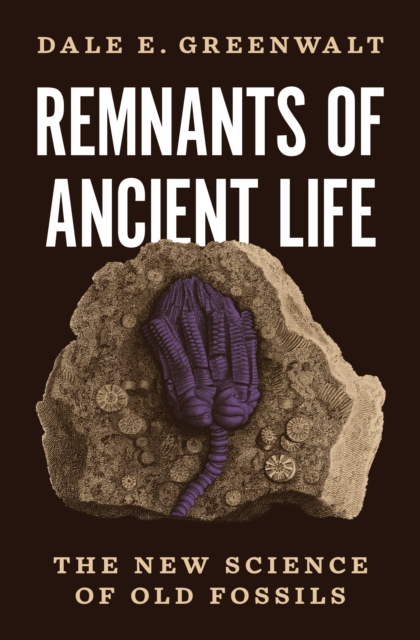
The revolution in science that is transforming our understanding of extinct lifeWe used to think of fossils as being composed of nothing but rock and minerals, all molecular traces of life having vanished long ago.
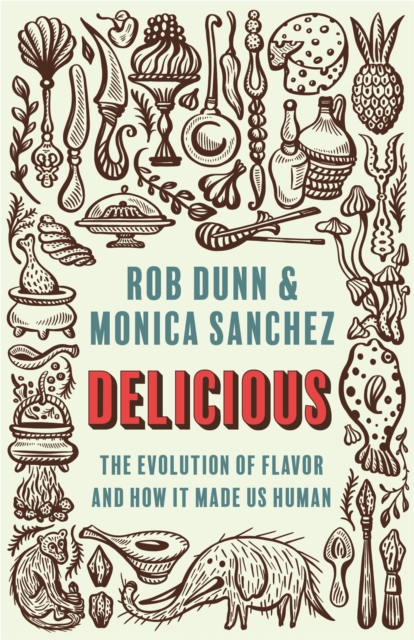
A savory account of how the pursuit of delicious foods shaped human evolutionNature, it has been said, invites us to eat by appetite and rewards by flavor.
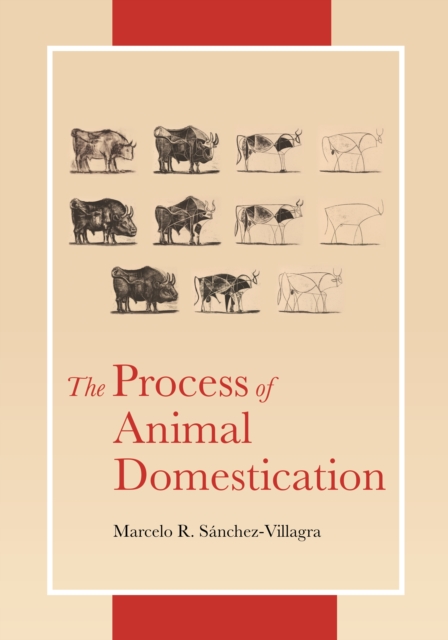
The first modern scholarly synthesis of animal domesticationAcross the globe and at different times in the past millennia, the evolutionary history of domesticated animals has been greatly affected by the myriad, complex, and diverse interactions humans have had with the animals closest to them.
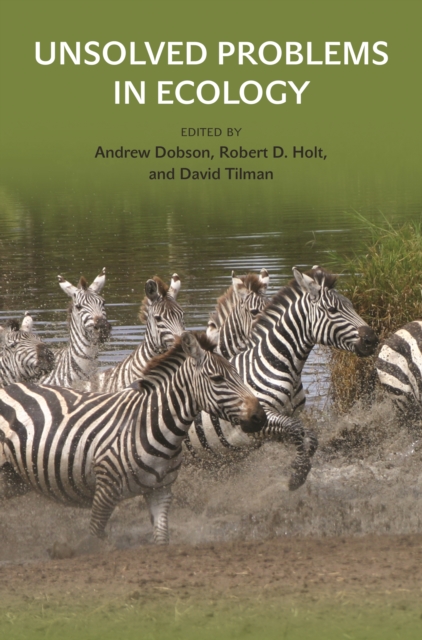
Leading ecologists discuss some of the most compelling open questions in the field todayUnsolved Problems in Ecology brings together many of the world's leading ecologists to discuss the most fundamental research questions confronting the field today.
An engaging journey into the biological principles underpinning a beloved science-fiction franchiseIn Star Trek, crew members travel to unusual planets, meet diverse beings, and encounter unique civilizations.
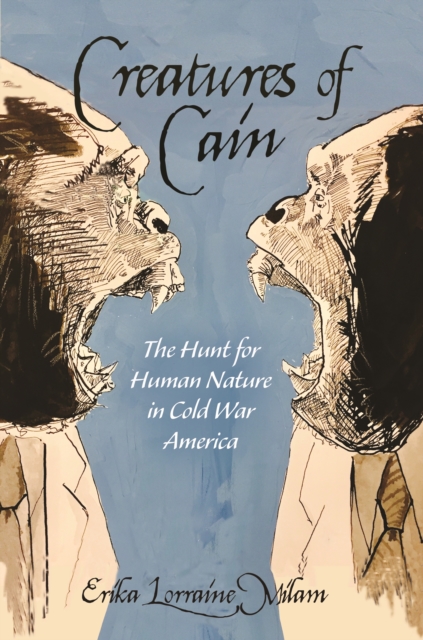
How Cold War America came to attribute human evolutionary success to our species' unique capacity for murderAfter World War II, the question of how to define a universal human nature took on new urgency.
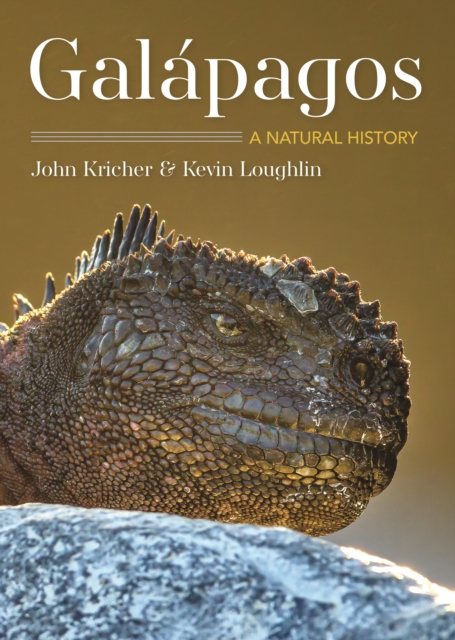
A richly illustrated nature tour of Galapagos-now expanded, thoroughly updated, and with more than 650 color photographsGalapagos is a comprehensive, up-to-date, and profusely illustrated natural history of this spectacular archipelago.
The Advances in Chemical Physics series provides the chemical physics and physical chemistry fields with a forum for critical, authoritative evaluations of advances in every area of the discipline.
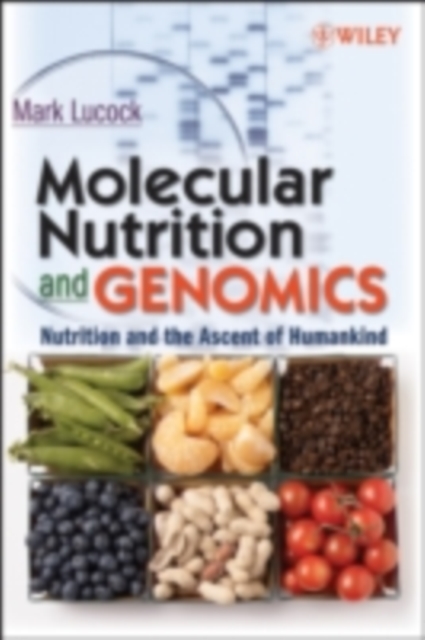
This fascinating book draws it subject matter from a range of relevant disciplines that extend from molecular nutrition, nutritional sciences, and nutrition dietetics through to genetics, genomics, and anthropology.
Interactions between Non-Pathogenic Soil Microorganisms and Plants provides a comprehensive discussion of the non-pathogenic microorganisms associated with roots.
Changes in Eukaryotic Gene Expression in Response to Environmental Stress focuses on various aspects of eukaryotic cell's response to heat stress (shock) and other stress stimuli.
Microbiological Assay: An Introduction to Quantitative Principles and Evaluation aims to provide an introduction to the principles of microbiological assay, assay design, and calculation procedures.
Theory and Application of Microbiological Assay first presents an overview of microbiological assay, including general principles, basic techniques, capabilities, and limitations.
Water Deficits and Plant Growth, Volume V: Water and Plant Disease presents a comprehensive treatment of the role of water deficits and excesses in the plant disease complex.
Arctic and Tropical Arboviruses contains the proceedings of the Second International Symposium on Arctic Arboviruses held at Mont Gabriel, Canada on May 26-28, 1977.
Molecular Basis of Biological Degradative Processes contains the proceedings of the 1977 symposium held at the University of Connecticut Health Science Center.
Microbial Ecology of Foods, Volume I: Factors Affecting Life and Death of Microorganisms presents valuable background information on the theoretical aspects of food microbiology.
Lipids and Biomembranes of Eukaryotic Microorganisms synthesizes the state of knowledge for eukaryotic microorganisms and relates this knowledge to microbial membranes.
Continuous Cultivation of Microorganisms deals with research studies on the continuous processes in cultivation and their applications in industrial production.
Advances in Aquatic Microbiology Volume 1 describes the characteristics of ecological niches for individual microorganisms and the intensities of individual microbiological processes in the course of turnover of various substances in reservoirs.