Arctic and Tropical Arboviruses contains the proceedings of the Second International Symposium on Arctic Arboviruses held at Mont Gabriel, Canada on May 26-28, 1977.
Molecular Basis of Biological Degradative Processes contains the proceedings of the 1977 symposium held at the University of Connecticut Health Science Center.
Microbial Ecology of Foods, Volume I: Factors Affecting Life and Death of Microorganisms presents valuable background information on the theoretical aspects of food microbiology.
Lipids and Biomembranes of Eukaryotic Microorganisms synthesizes the state of knowledge for eukaryotic microorganisms and relates this knowledge to microbial membranes.
Continuous Cultivation of Microorganisms deals with research studies on the continuous processes in cultivation and their applications in industrial production.
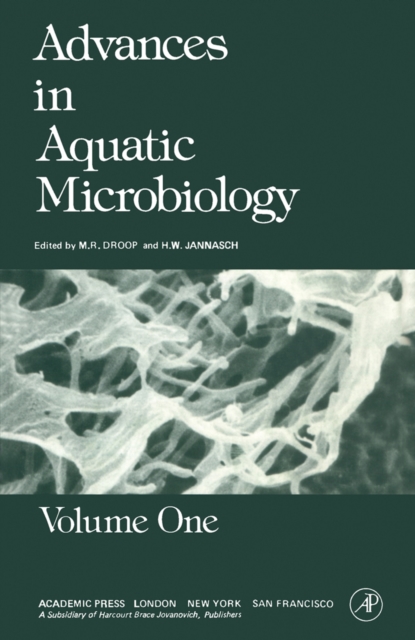
Advances in Aquatic Microbiology Volume 1 describes the characteristics of ecological niches for individual microorganisms and the intensities of individual microbiological processes in the course of turnover of various substances in reservoirs.
Environmental Control of Cell Synthesis and Function presents the proceedings of the Fifth International Symposium on the Continuous Culture of Micro-organisms, held at St.
Nonsegmented Negative Strand Viruses: Paramyxoviruses and Rhabdoviruses consists of papers presented at the Fifth International Symposium on Negative Strand Viruses, held at Hilton Head, S.
A groundbreaking interpretation of evolution as the work of Natures intelligence Refutes the orthodox view of evolution as a mindless process driven by chance Explains why context is more important than mutation in evolutionary innovation Shows how, by recognizing Natures innovative and creative powers, we can overcome our social and environmental challenges with a new green science of evolution Darwins theory of evolution is undoubtedly one of the most important scientific ideas of the modern age, explaining the existence of both life and consciousness without recourse to divine intervention.
The author of the international bestseller The Sixth Extinction returns to humanity's transformative impact on the environment, now asking: after doing so much damage, can we change nature, this time to save it?
"e;Theway Brockman interlaces essays about research on the frontiers of science withones on artistic vision, education, psychology and economics is sure to buzzany brain.
The New York Times bestselling author of Darwins Doubt, Stephen Meyer, presents groundbreaking scientific evidence of the existence of God, based on breakthroughs in physics, cosmology, and biology.
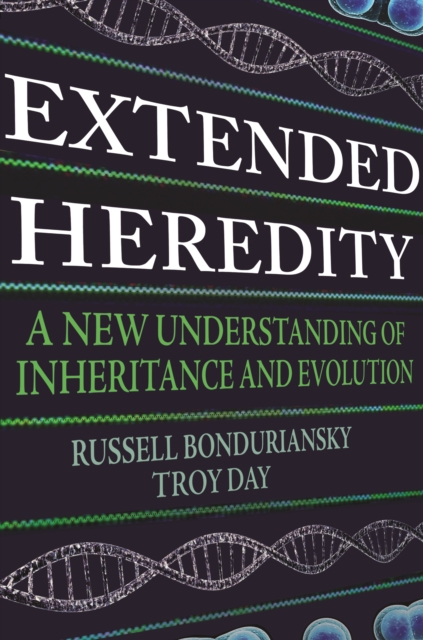
How genes are not the only basis of heredity-and what this means for evolution, human life, and diseaseFor much of the twentieth century it was assumed that genes alone mediate the transmission of biological information across generations and provide the raw material for natural selection.
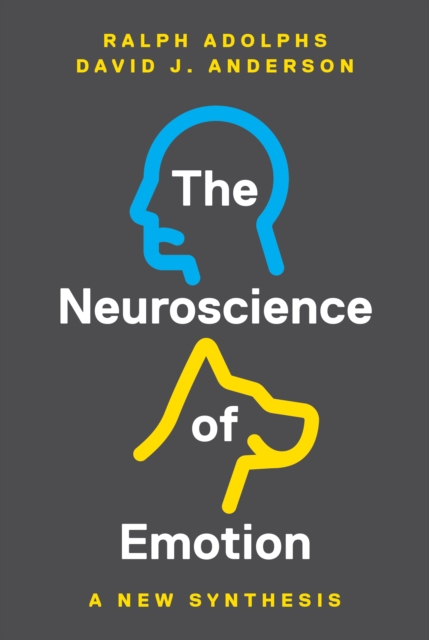
A new framework for the neuroscientific study of emotions in humans and animalsThe Neuroscience of Emotion presents a new framework for the neuroscientific study of emotion across species.
An essential introduction to microbiome science, a new cutting-edge discipline that is transforming the life sciencesThis book provides an accessible and authoritative guide to the fundamental principles of microbiome science, an exciting and fast-emerging new discipline that is reshaping many aspects of the life sciences.
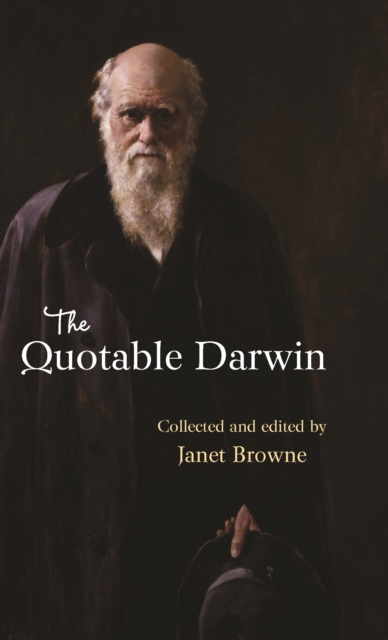
A treasure trove of illuminating and entertaining quotations from the legendary naturalistHere is Charles Darwin in his own words-the naturalist, traveler, scientific thinker, and controversial author of On the Origin of Species, the book that shook the Victorian world.
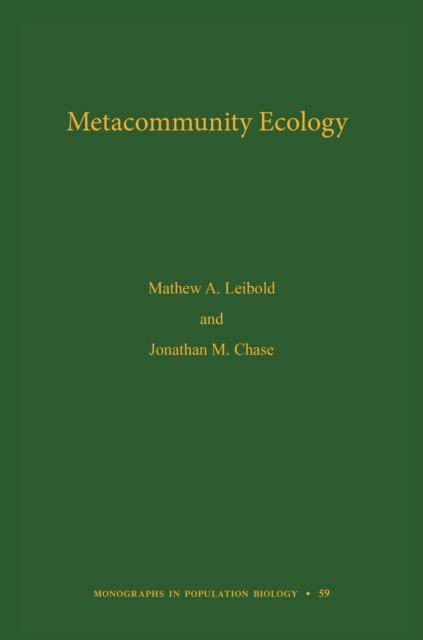
Metacommunity ecology links smaller-scale processes that have been the provenance of population and community ecology-such as birth-death processes, species interactions, selection, and stochasticity-with larger-scale issues such as dispersal and habitat heterogeneity.
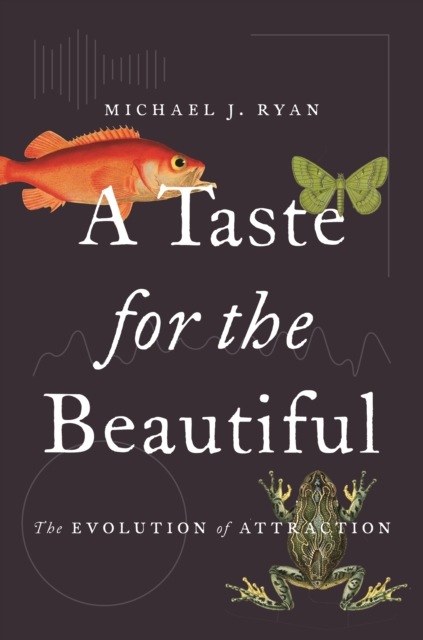
From one of the world's leading authorities on animal behavior, the astonishing story of how the female brain drives the evolution of beauty in animals and humansDarwin developed the theory of sexual selection to explain why the animal world abounds in stunning beauty, from the brilliant colors of butterflies and fishes to the songs of birds and frogs.
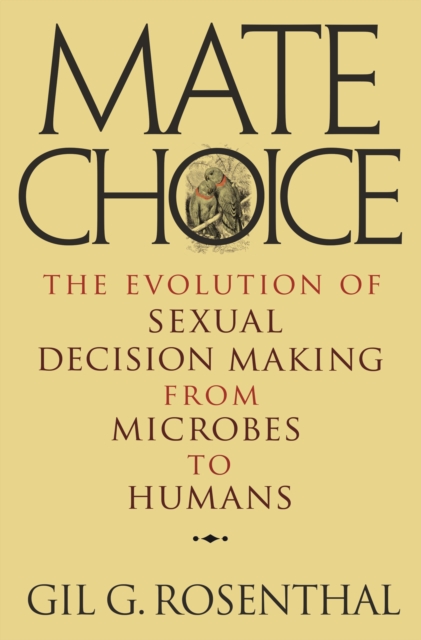
A major new look at the evolution of mating decisions in organisms from protozoans to humans The popular consensus on mate choice has long been that females select mates likely to pass good genes to offspring.
An authoritative exploration of why understanding evolution is crucial to human life todayIt is easy to think of evolution as something that happened long ago, or that occurs only in "e;nature,"e; or that is so slow that its ongoing impact is virtually nonexistent when viewed from the perspective of a single human lifetime.
A groundbreaking theory of what makes the human mind uniqueThe Recursive Mind challenges the commonly held notion that language is what makes us uniquely human.