This book offers the first comprehensive academic treatment of death-feigning behavior, a widespread yet understudied anti-predator strategy observed across the animal kingdom.
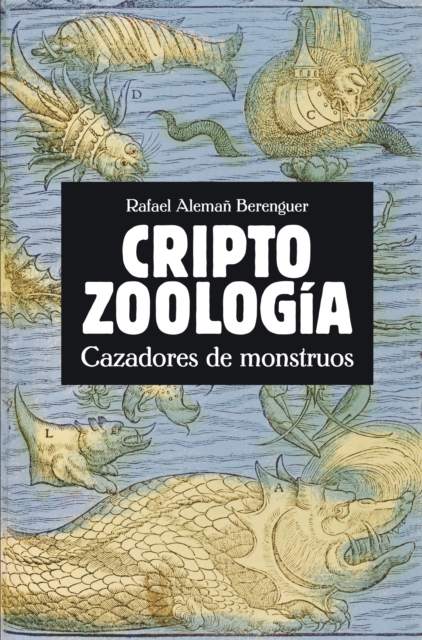
Mantícoras, basiliscos, grifos, serpientes acuáticas, calamares descomunales, faunos, ogros y otros monstruos y criaturas inauditos pueblan las páginas de este ameno y riguroso ensayo.
Bäume – die stillen Strippenzieher unserer ErdeWir stellen uns Bäume als eine passive Spezies vor, die an einen Ort gebunden ist, dabei gestalten sie ihre Umwelt aktiv.
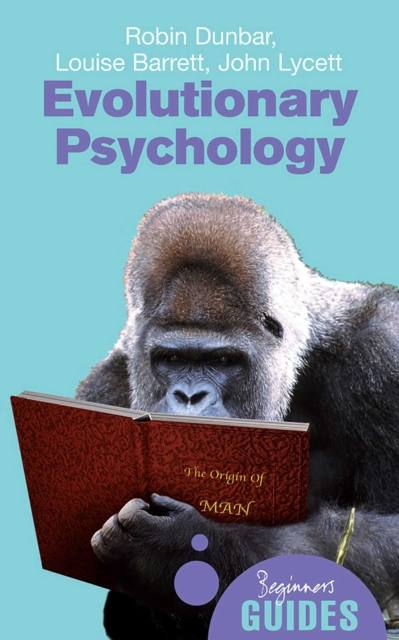
Evolutionary Psychology: A Beginner's Guide is a uniquely accessible yet comprehensive guide to the study of the effects of evolutionary theory on human behaviour.
With genetics and genetic engineering receiving almost daily coverage in the media, this book is an introduction for general readers who wish to know more about a science that is changing our world.
For readers of Michio Kaku and Stephen Hawking, the book readers have acclaimed asA mega-comprehensive outlook at intelligence as convincing as it is surprising and Atruly breathtaking forecast on the future of intelligence.
With genetics and genetic engineering receiving almost daily coverage in the media, this book is an introduction for general readers who wish to know more about a science that is changing our world.
Evolutionary Psychology: A Beginner's Guide is a uniquely accessible yet comprehensive guide to the study of the effects of evolutionary theory on human behaviour.
Die Welt als Schöpfung zu betrachten, heißt, sie in all ihrer Schönheit, ihrem Schrecken und ihrer Banalität als etwas zuinnerst Lebendiges - Durchgeistigtes - 'anzuschauen'.
Restoring Bhagavad Gita: Decoding the Original Intelligence Beyond Religion, Myth, and Misinterpretation by Sandeep Chavan is a groundbreaking effort to restore the Bhagavad Gita to its original essence—as a universal framework of intelligence, action, and self-realization, free from religious dogma and philosophical distortions.
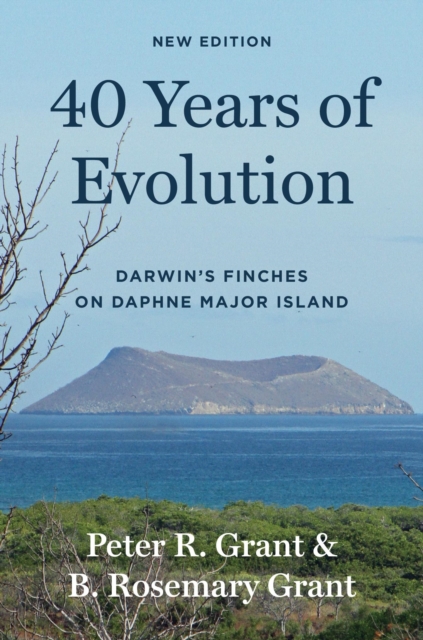
A new edition of Peter and Rosemary Grant's classic account of their groundbreaking forty-year study of Darwin's finches40 Years of Evolution is a landmark study of the finches first made famous by Charles Darwin, one that documents as never before the evolution of species through natural selection.
A new edition of Peter and Rosemary Grant's classic account of their groundbreaking forty-year study of Darwin's finches40 Years of Evolution is a landmark study of the finches first made famous by Charles Darwin, one that documents as never before the evolution of species through natural selection.