Within the last few decades, arachnology in the Neotropical region has experienced a great development filling the knowledge gap in one of the most diverse regions of the world.
This book provides the first collection of chapters written by scientists who have contributed to the understanding of disease ecology in the Galapagos Islands, an iconic and historic natural site.
This book analyzes the right pathway to solve the controversial identifications of some Trichoderma species on the basis of sampling procedures, slide culture techniques, macroscopic and microscopic analysis, and molecular tools.
This work examines the cognitive capacity of great apes in order to better understand early man and the importance of memory in the evolutionary process.
This book provides basic information on the botanical diversity in the Czech Republic and relates the patterns in flora and vegetation to environmental factors, biogeographical history and human impact.
Dendroecologists apply the principles and methods of tree-ring science to address ecological questions and resolve problems related to global environmental change.
This book presents a concise introduction to piecewise deterministic Markov processes (PDMPs), with particular emphasis on their applications to biological models.
This book takes readers on a fascinating journey to discover the story of land and ancient life evolution in Oman since at least 800 million years ago.
This book discusses the controversial and conflicting hypotheses on the origin of angiosperms, which was generally assumed to be restricted to the Cretaceous and later ages.
This book brings Soren Kierkegaard's nineteenth-century existentialist project into our contemporary age, applying his understanding of "e;freedom"e; and "e;despair"e; to science and science studies, queer, decolonial and critical race theory, and disability studies.
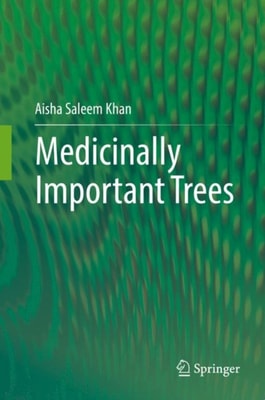
This book provides researchers and advanced students associated with plant and pharmaceutical sciences with comprehensive information on medicinal trees, including their identification, morphological characteristics, traditional and economic uses, along with the latest research on their medicinal compounds.
This book offers a timely overview and synthesis of biogeographic patterns of plants and fungi and their mycorrhizal associations across geographic scales.
Whether understood in a narrow sense as the popular works of a small number of (white male) authors, or as a larger more diffuse movement, twenty-first century scholars, journalists, and activists from all 'sides' in the atheism versus theism debate, have noted the emergence of a particular form of atheism frequently dubbed 'New Atheism'.
This book provides a compact, up-to-date and detailed overview of the vegetation of the Iberian Peninsula, a highly diverse part of Europe in the Mediterranean area.
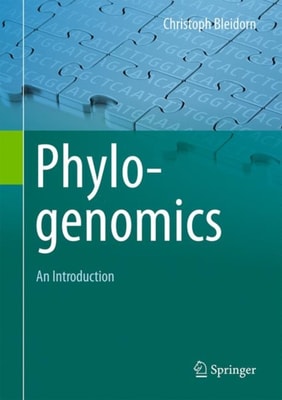
This unique textbook provides a clear and concise overview of the key principles of the complex field of phylogenomics, with a particular focus on sequencing technologies that are crucial to studying and understanding interrelations in evolutionary genomics.
This book takes the reader on a journey, navigating the enigmatic aspects of cooperation; a journey that starts inside the body and continues via our thoughts to the human super-organism.
This book provides an overview of the current state of knowledge of the genetics and genomics of the agriculturally important Cucurbitaceae plant family, which includes crops such as watermelon, melon, cucumber, summer and winter squashes, pumpkins, and gourds.
Marking the change in focus of tree genomics from single species to comparative approaches, this book covers biological, genomic, and evolutionary aspects of angiosperm trees that provide information and perspectives to support researchers broadening the focus of their research.
This book offers an introduction to the theory of non-autonomous and stochastic dynamical systems, with a focus on the importance of the theory in the Applied Sciences.
This book supplies the evolutionary and genetic framework that Charles Murray, towards the end of Coming Apart: The State of White America 1960-2010, predicts will one day explain revolutionary change in American society.
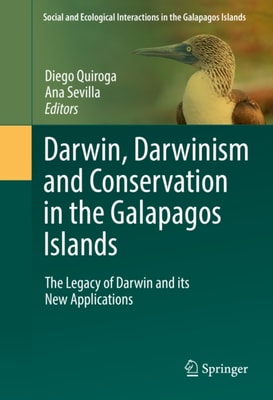
The book explores how Darwin's legendary and mythologized visit to the Galapagos affected the socioecosystems of the Islands, as well as the cultural and intellectual traditions of Ecuador and Latin America.
This book addresses aspects of rice production in rice-growing areas of the world including origin, history, role in global food security, cropping systems, management practices, production systems, cultivars, as well as fertilizer and pest management.