The essential one-volume reference to evolutionThe Princeton Guide to Evolution is a comprehensive, concise, and authoritative reference to the major subjects and key concepts in evolutionary biology, from genes to mass extinctions.
A revolutionary approach to the study of cooperation that unites evolutionary biology and the social sciencesFrom the family to the workplace to the marketplace, every facet of our lives is shaped by cooperative interactions.
The Teeth of Non-Mammalian Vertebrates: Form, Function, Development and Growth, Second Edition is devoted to the teeth and dentitions of living fishes, amphibians, and reptiles.
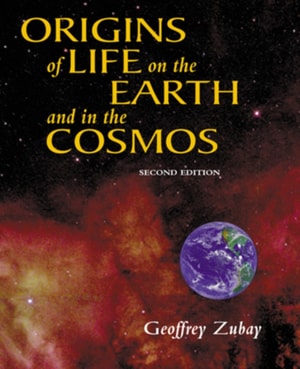
Origins of Life on the Earth and in the Cosmos, Second Edition, suggests answers to the age-old questions of how life arose in the universe and how it might arise elsewhere.
A new account of the central role developmental processes play in evolutionA new scientific view of evolution is emergingone that challenges and expands our understanding of how evolution works.
This book explores the global technological transformations that have shaped development of society for eons, from the emergence of Homo sapiens to the modern day.
This concise, readable introduction to limnology (the science of investigating the structure and function of inland waters), places the subject in the context of modern ecology.
Sequence analyses of numerous fungal genomes over the past two decades have provided us with extensive insights into the phylogenetic relationships of fungi and the distribution of genes and their inferred functions, across the fungal kingdom.
Whether you are looking for an introduction to the field of tree balance, a reference work on the multitude of available balance indices or inspiration for your future research, this book offers all three.
A fundamental and groundbreaking reassessment of how we view and manage cancer When we think of the forces driving cancer, we don't necessarily think of evolution.
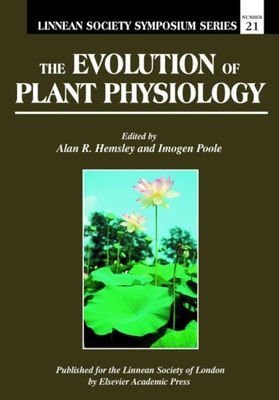
Coupled with biomechanical data, organic geochemistry and cladistic analyses utilizing abundant genetic data, scientific studies are revealing new facets of how plants have evolved over time.
Plant endophytes are a potential source for the production of bioactive compounds that can fight against devastating diseases in both plants and humans.
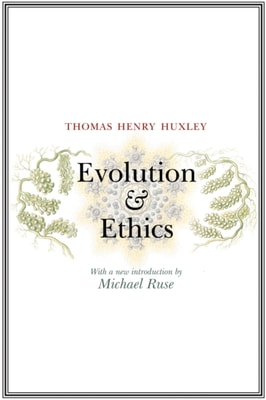
Huxley's classic lecture on evolution, human nature, and the way to true happinessThomas Henry Huxley (18251895) was one of the most prominent evolutionists of the late nineteenth century.
This volume offers a collection of carefully selected, peer-reviewed papers presented at the BIOMAT 2018 International Symposium, which was held at the University Hassan II, Morocco, from October 29th to November 2nd, 2018.
Cellular-molecular approach to evolution has led to radical changes in our understanding of biologic principles ranging from the Cell, to the Life Cycle, Development, Homeostasis, Senescence/Aging, Heterochrony, Pleiotropy, Phenotype, and perhaps the purpose of life itself.
Building from foundations of modern science and cosmic evolution, as well as psychological and philosophical perspectives of value and meaning, this book explores some of humanity's biggest questions: Is the Universe about something ?
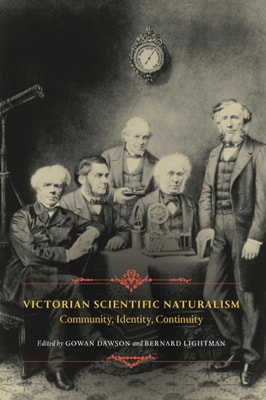
Victorian Scientific Naturalism examines the secular creeds of the generation of intellectuals who, in the wake of The Origin of Species, wrested cultural authority from the old Anglican establishment while installing themselves as a new professional scientific elite.
This book uses five decades of map data, air photos, and medium to high-resolution satellite imagery to track the expansions of aquaculture and the loss of both estuarine and mangrove land covers in Ecuador.