This book presents an integrated approach to understanding environmental contamination problems through the use of techniques from environmental chemistry, toxicology, ecology, and ecotoxicology.
This book presents an integrated approach to understanding environmental contamination problems through the use of techniques from environmental chemistry, toxicology, ecology, and ecotoxicology.
Ecotoxicology of Metals in Invertebrates reviews the state of the art in research concerning metal exposure of marine, freshwater, and terrestrial invertebrates.
Ecotoxicology of Metals in Invertebrates reviews the state of the art in research concerning metal exposure of marine, freshwater, and terrestrial invertebrates.
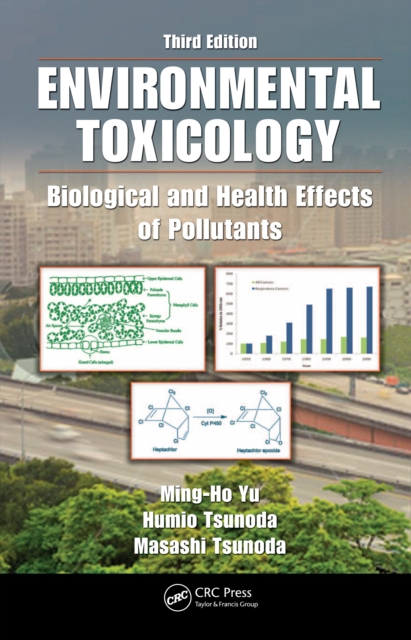
This leading textbook in the field examines the mechanisms underlying toxicity, particularly the events at the molecular level and the factors that determine and affect toxicity.
Continuing the tradition set by the first and second editions, each a bestseller in its own right, the third edition of Immunotoxicology and Immunopharmacology provides reviews of environmental agents, updated to reflect the latest information on how these agents influence immune system function and health.
Through the use of molecular and cellular biological techniques, numerous advances have been made in understanding the molecular basis of virulence mechanisms and toxin biosynthesis in organisms that contaminate food and feed.
Updating the extremely successful Wildlife Toxicology and Population Modeling (CRC Press, 1994), Wildlife Toxicology: Emerging Contaminant and Biodiversity Issues brings together a distinguished group of international contributors, who provide a global assessment of a range of environmental stressors, including pesticides, environmental contaminant
With chapter contributions from more than 30 metal biology experts, Cellular and Molecular Biology of Metals explains the role of key divalent metal ions involved in the molecular and cellular biology of various target cell populations.
With contributions by international experts in academia, chemical manufacturing, government research laboratories, regulatory agencies, and private consulting, this guide explores the potentially damaging influence of environmental agents on the endocrine system.
Presenting the latest research in glial cell function gleaned from new techniques in imaging and molecular biology, The Role of Glia in Neurotoxicity, Second Edition covers multiple aspects of glial cells, including morphology, physiology, pharmacology, biochemistry, pathology, and their involvement in the pathophysiology of neurological diseases.
Occupational workers frequently use, store, and dispose of toxic chemicals without knowing the possible consequences, both for the workplace and the environment.
This volume provides a basic introduction to toxicology within a framework of chemical risk to ecosystems and to human health and forms the basis of a new approach to teaching toxicology from a broad, interdisciplinary perspective.
An ever-increasing demand for better drugs, elevated safety standards, and economic considerations have all led to a dramatic paradigm shift in the way that drugs are being discovered and developed.
Reflecting the broad and interdisciplinary nature of toxicology, this third edition of Principles of Toxicology explores the biochemical, physiological, and environmental aspects of the subject.
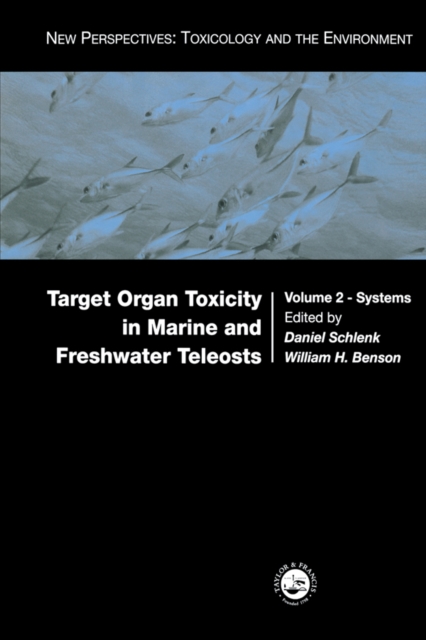
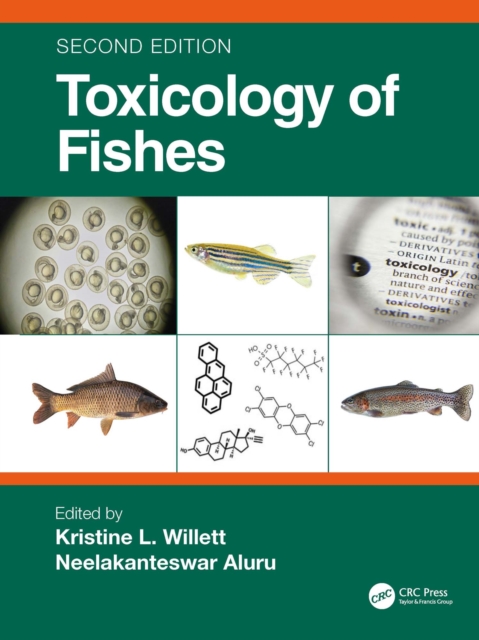
Addressing the numerous gaps in current information, Target Organ Toxicology in Marine and Freshwater Teleosts is an essential resource for researchers and professionals in aquatic toxicology and environmental risk assessment.
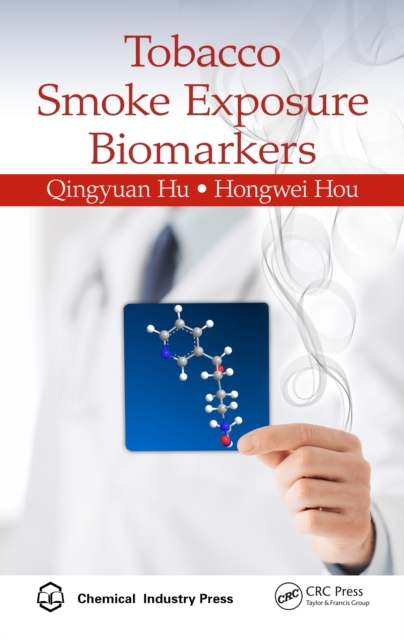
Written by experts in the analytical chemistry of tobacco smoke, Tobacco Smoke Exposure Biomarkers summarizes the toxicology, metabolic pathway, and biomarkers of nicotine, TSNAs, PAHs, VOCs, AAs, Catechol and Hydroquinone, HCN, CO and NOx, and heavy metals, and the use of this biomarker in exposure assessment and/or cigarette smoke exposure enviro
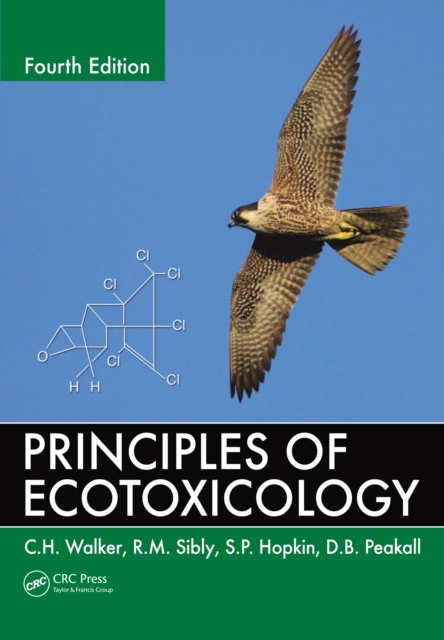
Cutting across traditional subject boundaries, Principles of Ecotoxicology, Fourth Edition gives readers an integrated view of ecotoxicology, from molecules to ecosystems.
Eco-toxicology, an offshoot of toxicology, is a multidisciplinary science that integrates toxicology and ecology by drawing knowledge and procedures from both fields.
This book provides an understanding of the consequences of induced proteins in the toxicological response of cells to chemical and radiation damage to DNA and will be helpful in creating proper mathematical models for extrapolation to low doses and assessing human exposure or cellular injury.
Addressing the numerous gaps in current information, Target Organ Toxicology in Marine and Freshwater Teleosts is an essential resource for researchers and professionals in aquatic toxicology and environmental risk assessment.
Occupational Exposures: Chemical Carcinogens and Mutagens offers a focused emphasis on chemical exposures associated with carcinogenic and mutagenic impacts along with associated controls for mitigating and controlling exposures.
Occupational Exposures: Chemical Carcinogens and Mutagens offers a focused emphasis on chemical exposures associated with carcinogenic and mutagenic impacts along with associated controls for mitigating and controlling exposures.
This book presents an integrated and holistic discussion on cadmium, lead and mercury toxicity in aquatic environments, expanding general concepts on chemical speciation effects and exploring specific environmental toxicological issues, exposure routes, and bioanalytical approaches for their determination and assessments on their intracellular deleterious effects.
This book presents an integrated and holistic discussion on cadmium, lead and mercury toxicity in aquatic environments, expanding general concepts on chemical speciation effects and exploring specific environmental toxicological issues, exposure routes, and bioanalytical approaches for their determination and assessments on their intracellular deleterious effects.
Each day we are exposed to a myriad of natural and human-made chemicals in our food, drinking water, air, soil, at home or at the workplace-pesticide residues, food additives, drugs, household products-but how can we gauge the human health risk posed by these chemicals?