This book includes the proceedings of the International Conference on Artificial Neural Networks (ICANN 2006) held on September 10-14, 2006 in Athens, Greece, with tutorials being presented on September 10, the main conference taking place during September 11-13 and accompanying workshops on perception, cognition and interaction held on September 14, 2006.
Recent advances in understanding the role of protein dysmetabolism in neurodegeneration was the theme of the Fondation IPSEN meeting addressing Genotype-Proteotype-Phenotype relationships.
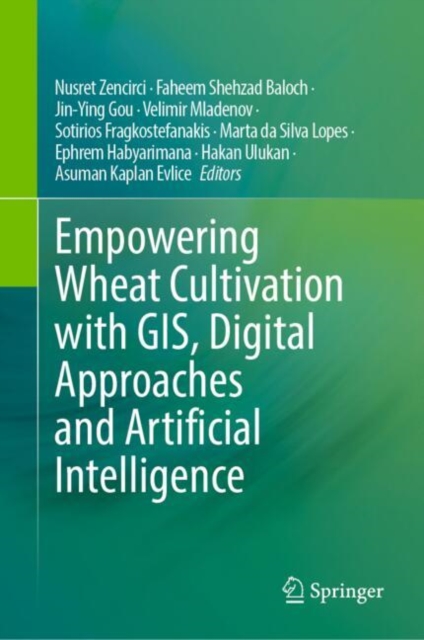
The global population is projected to exceed 9 billion by 2050, leading to imminent food shortages not only for the current but also future generations.
Autoimmune diseases represent a significant and complex global health burden, particularly among women, yet their underlying causes remain only partially understood.
Dieses Buch fasst verständlich und konkret die wichtigsten Gewinnstrategien für über 50 der bekanntesten Karten-, Brett-, Würfel- und Gesellschaftsspiele zusammen – kompakt, griffig und sofort anwendbar.
The global population is projected to exceed 9 billion by 2050, leading to imminent food shortages not only for the current but also future generations.
The World Health Organization, the National Cancer Institute, and the American Institute for Cancer Research have stated that including garlic in a regular diet is associated with a lower risk of cancer.
This book presents the Design for Conservation methodology, a novel approach that empowers communities and conservation professionals to collaboratively address environmental challenges.
This book contains chapters of the proceedings presented at the UiTM International Conference of Mathematical Sciences 2024 (UICMS 2024), organized by Universiti Teknologi MARA (UiTM), Shah Alam, Selangor, Malaysia, from October 12–13, 2024.
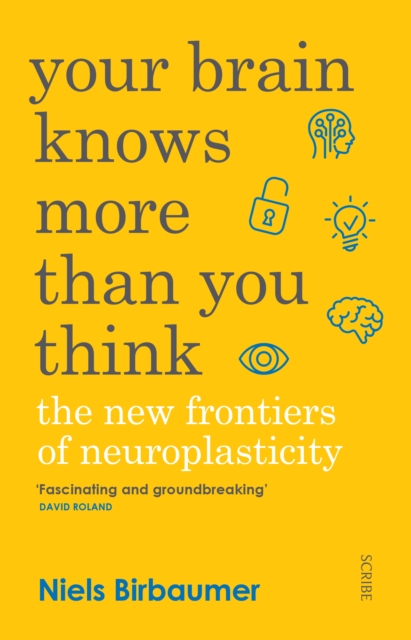
Recent advances in neuroscience - the study of the mechanisms within the brain that underlie our behaviours and what happens when these go wrong - have been profound.
El neurocientífico TJ Power explora en El efecto DOSE la capacidad del cerebro para cambiar y cómo al jaquear su biología lograremos mejorar nuestro desempeño cognitivo, además de otros aspectos de nuestra vida que influyen en cómo nos sentimos.
Spanning millennia of history and ecological transformation, this book explores the forested and non-forested ecosystems of the Southern Appalachians and Interior Highlands regions of the United States.
This book addresses the global challenge of feeding a growing population while grappling with diminishing land resources, deteriorating soil quality, and the impact of climate change.
This book aims to provide a holistic and interdisciplinary understanding of the social, ecological, technological, and psychological dimensions of climate-resilient agriculture.
This book addresses significant gaps in our understanding of how watershed microbial structures and functions respond to the pressures of urbanization.
This book is an exploration of paramount significance, delving into the fundamental principles, methodologies, and cutting-edge techniques that underpin the discipline of environmental forensics.
This book applies multilevel selection theory to an examination of both the natural history of ideology, and how that natural history has unfolded through the course of civil history in the Western world.
This book provides compelling evidence on the beneficial effects of aerobic exercise on the brain, focusing on the prefrontal cortex and hippocampus, which are crucial for cognitive and memory functions.
This edited volume serves as a comprehensive collection of methodologies, paradigms, and case studies explaining novel approaches for crop improvement programs.