The purpose of this book is to provide an overview of the biology of the planorbid snail Biomphalaria glabrata mainly as related to the snail's role as a host of larval trematodes .
This book will cover both the evidence for biofilms in many chronic bacterial infections as well as the problems facing these infections such as diagnostics and treatment regimes.
Most studies of bacterial or fungal infectious diseases focus separately on the pathogenic microbe, the host response, or the characterization of therapeutic compounds.
This volume presents a collection of reviews derived from work presented at the Aegean Conference: "e;3rd Crossroads between innate and adaptive immunity"e; which occurred during September 27 - October 2, 2009 at the Minoa Palace Conference Center in Chania, Crete, Greece.
Microbial endocrinology represents a newly emerging interdisciplinary field that is formed by the intersection of the fields of neurobiology and microbiology.
Principles of Microbiological Troubleshooting in the Industrial Food Processing Environment provides proven approaches and suggestions for finding sources of microbiological contamination of industrially produced products.
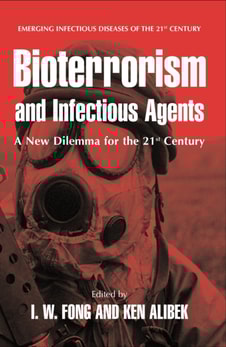
Since the terrorist attack on the United States on September 11, 2001 and subsequent cases of anthrax in Florida and New York City, attention has been focused on the threat of b- logical warfare and bioterrorism.
Course covers topics in infectious diseases in children and is intended for Pediatric Infectious disease trainees, trainers, and all those who manage children with infections.
The increased emphasis on food safety during the past two decades has decreased the emphasis on the loss of food through spoilage, particularly in developed co- tries where food is more abundant.
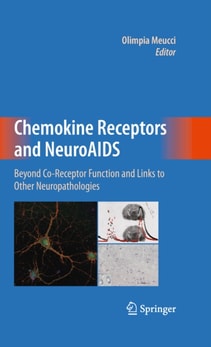
Chemokine Receptors and NeuroAIDS: Beyond the Co-receptor Function and Links to Other Neuropathologies focuses on unresolved or emerging issues concerning the role of chemokine receptors in neuronal injury and HIV neuropathology, including their ability to regulate fundamental neuronal and glial functions and their role in neurovirulence and neurotoxicity.
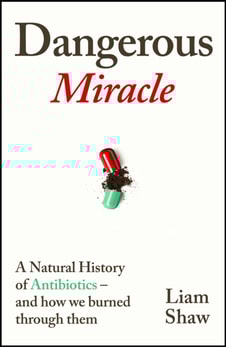
A riveting book In combining the passion of Robert Macfarlane with the incisiveness of Patrick Radden Keefe, Shaw has announced himself as a brilliant new voice in science writing RACHEL CLARKE, SPECTATORAntibiotics are one of humanity s greatest achievements but our access to them is under threat.
The ability to mix minute quantities of fluids is critical in a range of recent and emerging techniques in engineering, chemistry and life sciences, with applications as diverse as inkjet printing, pharmaceutical manufacturing, specialty and hazardous chemical manufacturing, DNA analysis and disease diagnosis.
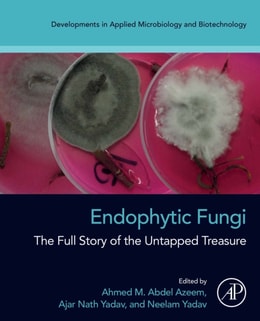
Endophytic Fungi: The Full Story of the Untapped Treasure covers the developments in endophytic fungal research from beginning to the end by the eminent researchers involved in the field.
System Biology Approaches for Microbial Pathogenesis Interaction Analysis aids biological researchers to expand their research scope using piled up data generated through recent technological advancement.
The offered volume intends to review the biological control theme of phytonematodes from several prospects: ecological; applicative as well as commercial state of the art; understanding the mode-of-action of various biocontrol systems; interaction between the plant host, nematodes' surface and microorganism's; candidates for biocontrol; extrapolation of the wide knowledge existed in another systems for understanding biocontrol processes: C.
Rice blast, caused by the fungal pathogen Magnaporthe grisea, is one of the most destructive rice diseases worldwide and destroys enough rice to feed more than 60 million people annually.
habitats and the overlapping of these biotopes by humans and animals contributed to the spread of mycobacteria and perhaps to their convergence to pathogenicity.
Residues from agriculture and the food industry consist of many and varied wastes, in total accounting for over 250 million tonnes of waste per year in the UK alone.
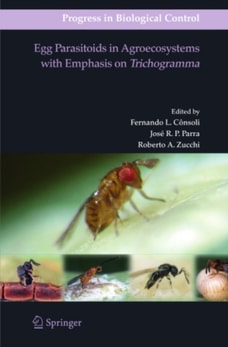
Egg Parasitoids in Agroecosystems with emphasis on Trichogramma was conceived to help in the promotion of biological control through egg parasitoids by providing both basic and applied information.
Prevention and preparedness are the two basic approaches to maximize food security against any sort of tampering, whether natural, inadvertent or intentional.
Microbial activities influence water-rock interaction processes and chemical transport between the major geochemical reservoirs and the formation/transformation of minerals and rocks, whereas geological processes and geochemical controls influence the microbial ecology in extreme environments.
Investigations on various aspects of plant-pathogen interactions have the ultimate aim of providing information that may be useful for the development of effective crop disease management systems.
Studies on the phenomenon of plant pathogenesis (disease development) have been useful to have a deep insight into the interactions between host plant and the pathogen.
Studies on molecular biology of pathogens, infection process and disease resistance, have provided information essentially required to understand the vulnerable stages at which the pathogens can be tackled effectively and to adopt novel strategies to incorporate disease resistance genes from diverse sources and /or to induce resistance of cultivars with desirable agronomic attributes using biotic or abiotic agents.
Catheter-Related Infections in the Critically Ill provides an overview from an international perspective on intravascular catheters and the risk of infection.
Opportunistic Infections: Toxoplasma, Sarcocystis, and Microsporidia will focus on two important Genera of Apicomplexan parasites, Toxoplasma gondii and Sarcocystis species, and the medically important members of the Phylum Microsporida.